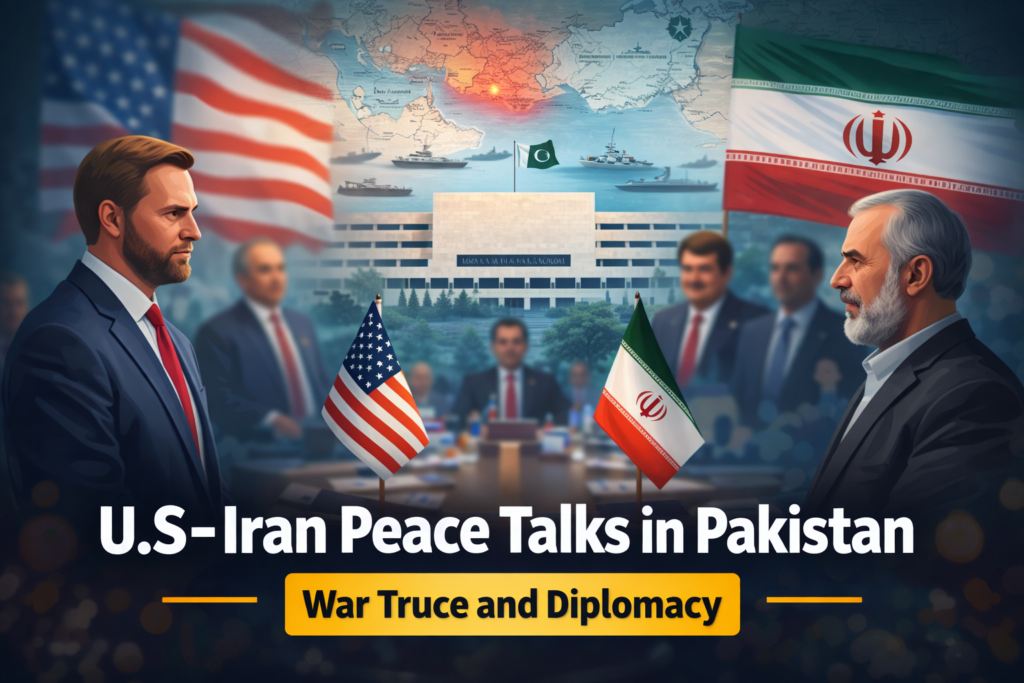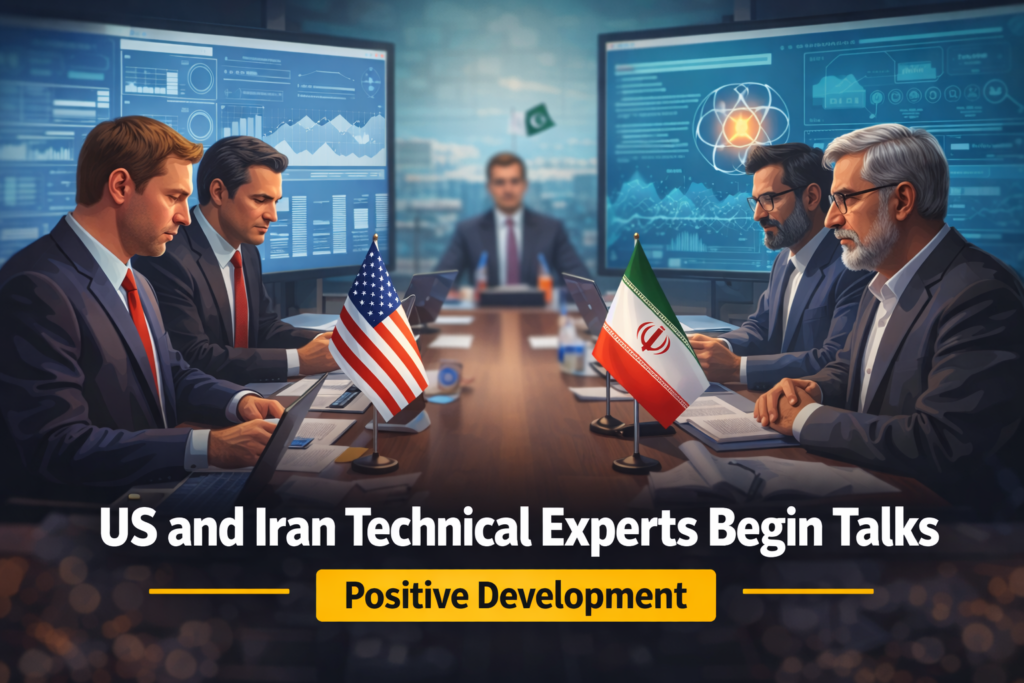
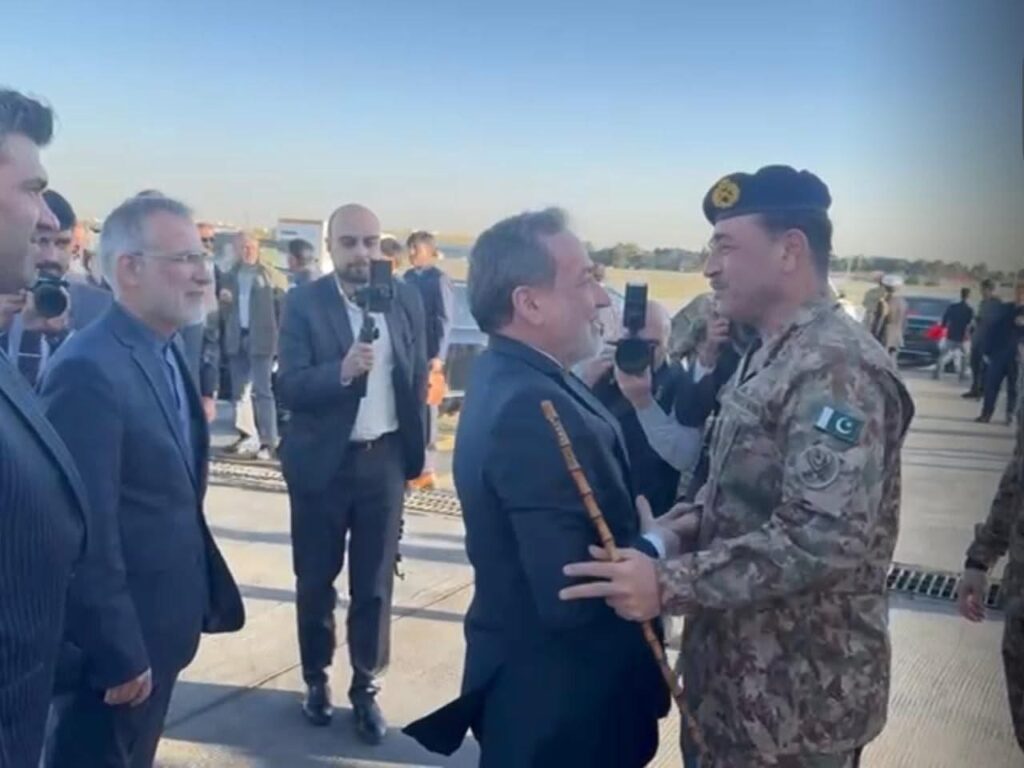
A high-level Pakistani delegation has reportedly arrived in Tehran, signaling a potentially significant diplomatic development in the ongoing geopolitical tensions involving Iran, the United States, and regional stakeholders. The delegation includes senior military and political figures, along with key experts, indicating the seriousness of the mission.
Key Members of the Delegation
The Pakistani delegation is said to include prominent figures such as Field Marshal Asim Munir and Interior Minister Mohsin Naqvi, accompanied by a team of strategic and diplomatic experts. Their presence highlights Pakistan’s active role in regional diplomacy and conflict mediation.
High-Level Meetings in Tehran
According to sources, the delegation is expected to hold crucial meetings with:
- Iran’s newly appointed Supreme Leader
- Senior officials of the Islamic Revolutionary Guard Corps (IRGC)
- A prominent member of the Khomeini family, reportedly the grandson of Imam Khomeini
These meetings are believed to be part of a broader effort to stabilize regional tensions and facilitate behind-the-scenes negotiations.
Pre-Planned Agreements and Diplomatic Strategy
Insiders suggest that many aspects of the discussions have already been pre-negotiated. The current engagements may serve more as a formalization of understandings rather than initial negotiations.
There is growing speculation that both the United States and Iran are carefully managing public pressure while working toward a controlled diplomatic breakthrough. Such moves are often designed to maintain domestic narratives while quietly progressing toward de-escalation.
US Perspective: Avoiding Further Conflict
The United States appears increasingly aware that prolonged confrontation with Iran could lead to significant geopolitical and economic costs. Analysts believe Washington is seeking a swift resolution to avoid being drawn into another military conflict in the Middle East.
Instead, the US may continue to rely on regional allies, particularly Israel, to maintain strategic pressure while it explores diplomatic pathways.
What to Expect Next
Experts suggest that within the next 48 hours, clearer developments may emerge regarding:
- Possible agreements or understandings between parties
- Signals of de-escalation in US-Iran tensions
- Pakistan’s evolving role as a mediator in the region
The coming days could prove critical in shaping the next phase of Middle Eastern geopolitics.
Conclusion
Pakistan’s diplomatic engagement in Tehran reflects its growing importance as a regional player capable of influencing major geopolitical outcomes. As global attention turns toward these developments, the possibility of a breakthrough in US-Iran relations remains a key focus.