Iran Nuclear Deal on the Brink: Historic Second Round of Talks Expected This Week as Trump Administration Pushes for Final Agreement
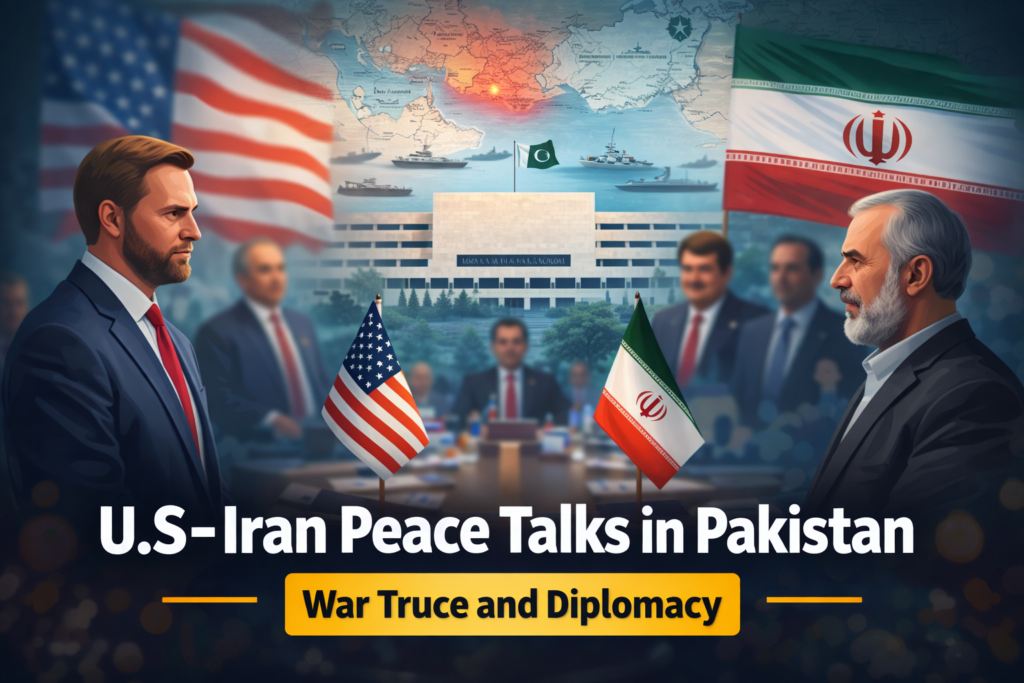
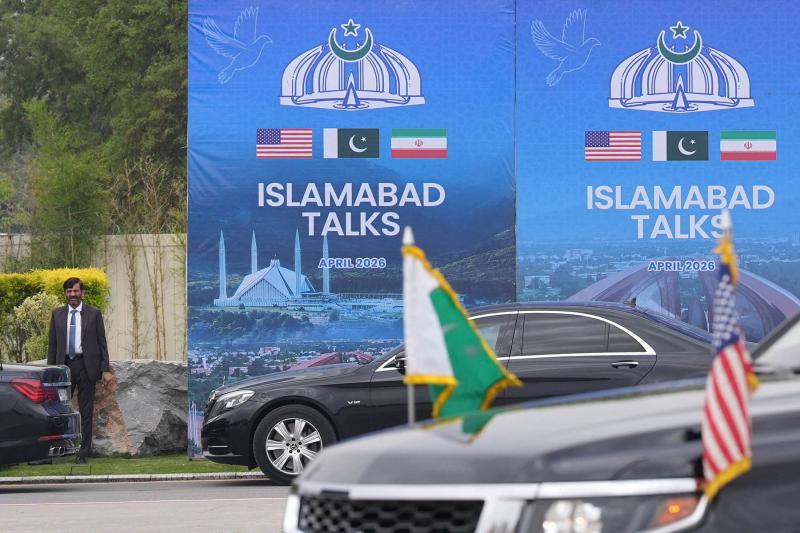
ISLAMABAD, Pakistan — In a dramatic development in one of the world’s most consequential diplomatic standoffs, sources close to the negotiations reveal that a second round of US-Iran peace talks could commence as early as this week in Islamabad, Pakistan. President Donald Trump himself disclosed to the New York Post that negotiations could resume “over the next two days,” signaling unprecedented momentum toward resolving the nuclear crisis that has threatened global stability for over six weeks.
The breakthrough comes just days after the collapse of the initial marathon 21-hour negotiation session on April 12-13, 2026, which brought Iranian and American officials to the negotiating table for the first time since the 1979 Islamic Revolution. Despite that initial setback, both sides have indicated their commitment to finalizing a historic nuclear agreement that could reshape geopolitics in the Middle East.
The Game-Changing Development: From Deadlock to Deal
What appeared to be a diplomatic impasse just 72 hours ago has transformed into a potential breakthrough moment. According to Trump’s statement to the New York Post, he indicated that talks “could be happening over next two days,” with the possibility of extending through Sunday. This timeline places the second negotiation session squarely within the critical window before the current two-week ceasefire expires on April 21, 2026.
“We’re looking at a very real possibility of finalizing this deal,” one senior White House official stated on condition of anonymity. “The momentum has shifted dramatically since the first round. Both sides are now showing genuine flexibility on the key negotiating points.”
The potential for US President Donald Trump and Iranian President Masoud Pezeshkian to both travel to Islamabad for face-to-face talks represents an even more significant development than the initial April 12-13 negotiations. Such a summit would underscore the historic magnitude of the agreement being finalized and provide the political cover both leaders require domestically to implement the deal.
The 10-Year Uranium Enrichment Compromise: A Breakthrough Proposal
One of the most significant developments in this week’s negotiations involves a potential compromise on uranium enrichment timelines. According to diplomatic sources familiar with the confidential discussions, both the US and Iranian negotiating teams have indicated willingness to accept a 10-year uranium enrichment cap in place of the previously proposed 20-year restriction. This represents a major concession that could serve as the lynchpin holding together a final agreement.
The timeline reduction makes the agreement more politically feasible for the Trump administration, which has consistently pushed for the strictest possible controls on Iran’s nuclear program. Simultaneously, it provides Iran with a face-saving exit, allowing Tehran to argue that it has not surrendered its sovereign right to pursue civilian nuclear energy indefinitely.
“This 10-year framework changes the calculus for both sides,” explained Dr. Michael Harrison, a Middle East policy analyst at the Washington Institute for Near East Policy. “It’s aggressive enough to satisfy the Trump administration’s security concerns, yet flexible enough that Iran’s negotiating team can justify it to their hardliners back home.”
Pakistan’s Pivot: Islamabad’s Critical Role in Global Diplomacy
Perhaps the most intriguing aspect of these negotiations is the transformation of Pakistan into a global diplomatic powerbroker. For decades, Pakistan has struggled with its international reputation, facing terrorism-related challenges and geopolitical isolation. The US-Iran negotiations in Islamabad mark a dramatic reversal of that trajectory.
Pakistan’s military leadership, particularly Chief of Defence Forces Field Marshal Asim Munir, has emerged as a crucial trust-broker between Washington and Tehran. Trump himself has publicly praised Munir, calling him “his favorite field marshal,” while Iranian officials have similarly indicated confidence in Munir’s impartiality.
The prospect of hosting both Trump and Pezeshkian in Islamabad would position the Pakistani capital as a venue for world-historical diplomacy. The symbolism is extraordinary: a country that has long been viewed as a security concern is now being relied upon as the indispensable mediator for peace in the Middle East.
Pakistani Prime Minister Shehbaz Sharif and Foreign Minister Ishaq Dar have both emphasized their commitment to continuing the mediation process. “Pakistan remains committed to facilitating this historic agreement,” Dar stated after the first round of talks. “We will continue our role as an impartial mediator until peace is achieved.”
Why the First Round Failed—And Why the Second Round Will Succeed
Understanding the trajectory from the April 12-13 collapse to the current moment of optimism requires examining what went wrong initially and what has changed.
The April 12-13 Breakdown: Vice President JD Vance, who led the US delegation, left Islamabad pronouncing the talks a failure. “The bad news is that we have not reached an agreement,” Vance stated in his departure press conference. “Iran chose not to accept our terms.” The core issue: Iran refused to commit to surrendering all uranium enrichment capabilities and the infrastructure that could be converted to weapons-grade production.
Both sides accused the other of ‘shifting goalposts.’ Iran’s Foreign Minister Abbas Araghchi claimed the two sides were “inches away” from an agreement when the US introduced new demands, particularly surrounding control of the Strait of Hormuz and the removal of Iranian enrichment capabilities. Trump responded to the breakdown by announcing an immediate naval blockade of the Strait of Hormuz, attempting to increase pressure on Tehran.
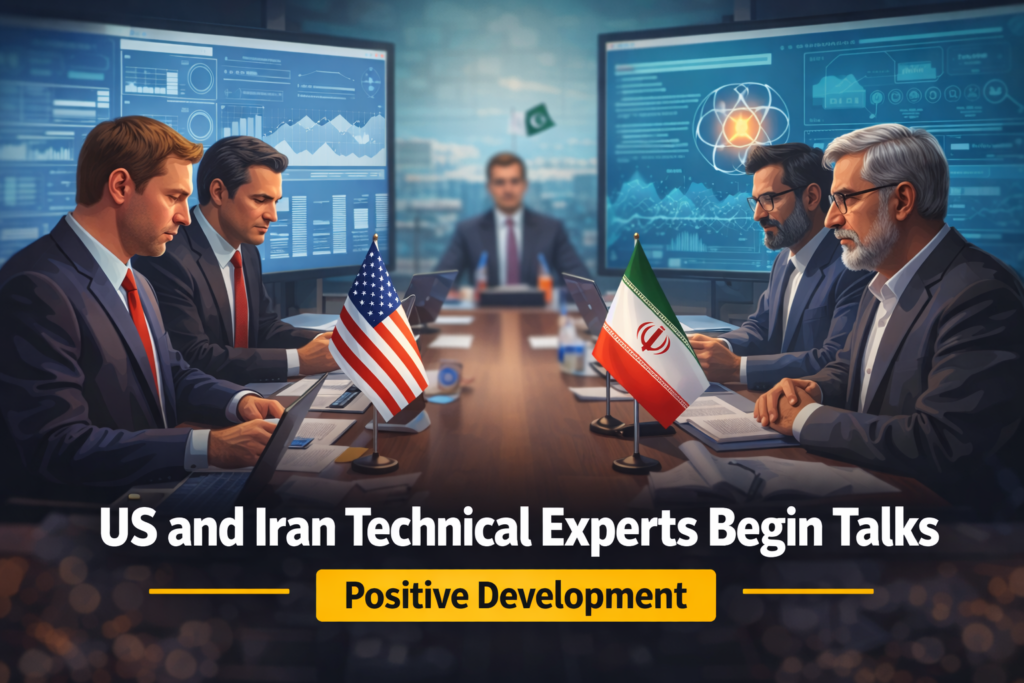
Why Round Two Looks Different: Sources indicate that both delegations have spent the past 72 hours analyzing what went wrong and identifying genuine areas of compromise. The emergence of the 10-year uranium enrichment timeline represents precisely the kind of creative solution that diplomatic mediators like Field Marshal Munir have been working to facilitate.
Additionally, Trump’s blockade of the Strait of Hormuz—while presented as a hardline move—may have actually shifted Iran’s calculation. By demonstrating the costs of non-agreement, Trump has given Iranian officials greater justification to make concessions to their domestic constituencies: “Look what happens when we don’t negotiate.”
Iranian Parliament Speaker Mohammad Bagher Ghalibaf, who led Tehran’s initial delegation, noted after the first round that “the Islamabad talks laid the foundation for a diplomatic process.” This language suggested Iran was not closing the door but rather regrouping to craft a revised proposal—which appears to be precisely what has happened.
The Global Stakes: Why This Matters Beyond the Middle East
The successful conclusion of a US-Iran nuclear deal would have ramifications extending far beyond the Persian Gulf and the Middle East. Global oil markets, which have been severely disrupted by six weeks of US-Iranian conflict, would stabilize dramatically. The price of crude oil has fluctuated wildly; a final agreement could restore predictability to global energy markets.
For the Trump administration domestically, the successful negotiation of a nuclear agreement would constitute a significant foreign policy achievement, particularly as Trump prepares for the 2026 midterm elections. The costs of continued conflict—rising gas prices at American pumps, public opposition to military spending in the region, and the risks of accidental escalation—have mounted considerably.
“The Trump administration recognizes that continued military conflict is unsustainable,” according to analysis from the Carnegie Endowment for International Peace. “A successful nuclear agreement would allow Trump to claim victory while extracting significant constraints on Iran’s weapons program. For all parties, a negotiated resolution beats the alternative.”
For Iran, the stakes are equally high. The military costs of six weeks of conflict have been substantial, and the prospect of negotiating sanctions relief and international recognition for accepting nuclear constraints represents an opportunity to rebuild a devastated economy.
The Critical Remaining Sticking Points
Despite the optimism, significant hurdles remain. Understanding these remaining disagreements is essential to assessing whether a final deal is truly imminent.
- The Strait of Hormuz: Iran has demanded the right to charge tolls on vessels transiting the Strait and to control the waterway as part of any final agreement. The US has made clear that a “fully reopened Strait of Hormuz” is a “red line”—meaning full freedom of navigation is non-negotiable for Washington. The 10-year uranium enrichment compromise may provide a pathway to resolving this, but it remains contested.
- Frozen Assets and Sanctions Relief: Iran has demanded the unfreezing of approximately $6 billion in assets held in foreign banks and comprehensive sanctions relief. The Trump administration has indicated willingness to provide sanctions relief on a phased basis, contingent on verified Iranian compliance with nuclear restrictions. The mechanics of phased sanctions relief are still being negotiated.
- War Reparations and Regional Conflicts: Iran has demanded reparations for damages sustained during six weeks of US-Israeli military attacks. Additionally, Iran has insisted that any ceasefire must extend to include Israeli military operations against Hezbollah in Lebanon. The US and Israel have resisted this linkage, viewing it as an attempt to weaponize the nuclear negotiations.
- Verification and Inspection Mechanisms: Both sides remain deeply suspicious of each other’s intentions. The US has demanded intrusive inspections of Iranian nuclear facilities, while Iran has worried about using inspections as a pretext for intelligence gathering. Crafting verification mechanisms that satisfy both parties’ security concerns without amounting to an intelligence free-for-all remains challenging.
Timeline Acceleration: Why This Week Is Critical
The urgency surrounding this week’s negotiations stems from the April 21 expiration date of the current ceasefire. If a second round of negotiations begins and breaks down again without a final agreement being reached, the ceasefire expires and hostilities could resume.
This creates immense pressure on both sides to achieve a breakthrough this week. Trump’s statement to the New York Post that talks “could be happening over next two days” suggests he is aware of this timeline and is personally invested in achieving results quickly.
“The window for finalizing this deal is remarkably narrow,” notes Dr. Vali Nasr, Dean of Johns Hopkins School of Advanced International Studies. “Every day that passes without a final agreement increases the risk that the ceasefire collapses and conflict resumes. Both sides understand this, which is why we’re seeing this acceleration.”
The Diplomatic Framework: How Presidents Could Join the Talks
Your earlier reporting mentioned the possibility of President Trump and President Pezeshkian both traveling to Islamabad for face-to-face talks. While nothing has been officially confirmed, such a development would follow established diplomatic protocol for concluding historic agreements.
If both presidents were to meet in Islamabad, the venue would likely be the Serena Hotel, which hosted the April 12-13 negotiations and is one of the few locations in Pakistan with the security infrastructure and diplomatic amenities required for a presidential summit. The optics would be extraordinary: two leaders who have been in undeclared conflict for six weeks sitting down to sign a peace agreement.
Such a meeting would serve multiple purposes: It would elevate the agreement politically, making clear that both leaders personally endorse the final terms. It would provide the requisite photo opportunity and symbolic closure that both leaders would want for domestic consumption. And it would allow Pakistan to consolidate its role as a global diplomatic powerbroker.
What a Final Agreement Would Look Like
Based on the current negotiations and the emerging 10-year uranium enrichment timeline, analysts anticipate a final agreement would include:
Nuclear Restrictions (10-Year Timeline): Iran would commit to limiting uranium enrichment to below weapons-grade levels for 10 years. After 10 years, restrictions would be subject to renegotiation, providing Iran with a face-saving exit while satisfying US security concerns for the critical near-term period.
International Inspections: The International Atomic Energy Agency (IAEA) would be granted access to Iranian nuclear facilities on a schedule to be negotiated, with a framework for addressing concerns about undeclared sites.
Sanctions Relief: Phased sanctions removal would be linked to verified Iranian compliance with nuclear restrictions. Sanctions relief would be codified in a way that makes re-imposition difficult without Iranian breach of the agreement.
Strait of Hormuz Access: The Strait would remain open to international shipping with guaranteed freedom of navigation. Iran would not be permitted to impose tolls or restrict passage. This addresses the US’s stated red line.
Ceasefire Provisions: Military hostilities would cease immediately upon agreement signing. The ceasefire would extend to all regional proxies, though provisions for Lebanon would likely be handled separately to prevent the nuclear agreement from becoming overburdened with regional issues.
Journalist Presence and Global Media Attention
Your observation about the presence of numerous journalists in Islamabad is particularly significant. Major international media outlets—including the Associated Press, Reuters, BBC, CNN, and others—have stationed reporters and camera crews in the Pakistani capital in anticipation of breaking news developments.
This media presence serves multiple functions: It signals the global significance of the negotiations. It creates pressure on both sides to honor their commitments, as any breaches or violations would immediately become international news. And it ensures that the broader narrative of these negotiations reaches American voters, who will ultimately judge the Trump administration’s handling of the Iran crisis.
The positioning of journalists in Islamabad suggests that major developments—including the possible resumption of talks and potentially a final agreement—are expected imminently. News organizations typically position resources at this intensity only when they anticipate imminent, significant events.
Potential Objections and Concerns
Not everyone is optimistic about the imminent conclusion of a nuclear agreement. Several constituencies have raised concerns:
Israeli Government: Prime Minister Benjamin Netanyahu has expressed reservations about any agreement that does not permanently eliminate Iran’s nuclear ambitions. The 10-year timeline, in Netanyahu’s view, merely postpones an inevitable confrontation. However, Netanyahu’s objections appear to be diminishing as the Trump administration has assured Israel of continued military support and intelligence sharing.
Congressional Republicans: Some Republican lawmakers worry that the agreement is too generous to Iran and insufficiently verifiable. However, Trump’s personal endorsement of the deal would likely ensure the agreement survives any congressional challenges.
Iranian Hardliners: Conservative elements within Iran view any nuclear concessions as a betrayal of national interests. However, the Iranian leadership has indicated willingness to implement the agreement and justify it to domestic critics as a strategic necessity.
The Historical Significance
If an agreement is finalized this week in Islamabad, it will represent one of the most significant diplomatic achievements in recent history. The last time the US and Iran concluded a major nuclear agreement was in 2015, under the Obama administration. That agreement, the Joint Comprehensive Plan of Action (JCPOA), ultimately collapsed when Trump withdrew in 2018.
A new agreement, concluded under Trump, would be Trump’s major foreign policy achievement—one that would likely feature prominently in his political legacy and in upcoming election campaigns. For Iran, it would represent an escape from six weeks of devastating military conflict and a pathway to economic recovery through sanctions relief.
For Pakistan, hosting the negotiations and potentially the signing ceremony would represent a seismic shift in the nation’s global role. For decades, Pakistan has been viewed through the lens of terrorism and instability. These negotiations position Pakistan as an indispensable force for global peace—a transformation that could have profound implications for Pakistan’s international standing and economic prospects.
What to Watch This Week
For American observers, several developments to watch this week will provide clues as to whether a final agreement is truly imminent: - Official Confirmation: Watch for official confirmation from the White House or State Department that a second round of talks has been scheduled. As of the time of writing, talks have not been formally confirmed, though Trump’s statement to the New York Post suggests this is imminent.
- Diplomat Movements: Key figures like Vice President JD Vance, special envoys Steve Witkoff and Jared Kushner, and other senior negotiators would need to return to Islamabad. Their movements would provide advance notice that talks are resuming.
- Presidential Travel: If presidents Trump and Pezeshkian are planning to travel to Islamabad, this would be announced formally by their respective governments, likely within 24-48 hours of the planned summit. Such an announcement would signal confidence in an imminent breakthrough.
- Global Oil Markets: Watch crude oil prices, which have been volatile throughout these negotiations. Successful agreement announcements typically trigger immediate oil price declines as market confidence in global energy stability improves.
- Media Reports: Given the density of journalists in Islamabad, any development regarding talks or presidential travel will likely become known immediately, often before official announcements.
Conclusion: A Historic Week Ahead
As of mid-April 2026, the US-Iran nuclear negotiations stand at a pivotal moment. The collapse of the first round of talks in Islamabad could have signaled a return to military conflict and regional escalation. Instead, both sides appear to have learned from that experience and are now positioned to conclude a historic agreement.
The emergence of the 10-year uranium enrichment timeline as a potential compromise, combined with Trump’s statement that talks “could be happening over next two days,” suggests we are witnessing the final stages of negotiations on what could be one of the most significant diplomatic achievements of the decade.
Pakistan’s role as the indispensable mediator has been extraordinary, with Field Marshal Asim Munir earning the trust of both American and Iranian officials. The prospect of Islamabad hosting both Trump and Pezeshkian for a presidential summit would cement Pakistan’s transformation from a nation often viewed through the lens of security challenges into a global peacebroker.
By Sunday—or perhaps within the next 48 hours—the world may learn whether the cautious optimism that has emerged from both capitals is justified. If history is any guide, agreements are often concluded at the last possible moment, with all parties pushing negotiations to the edge of the deadline before finally reaching consensus.
This week could be transformational for the Middle East, for American foreign policy, and for Pakistan’s global role. Watch closely.