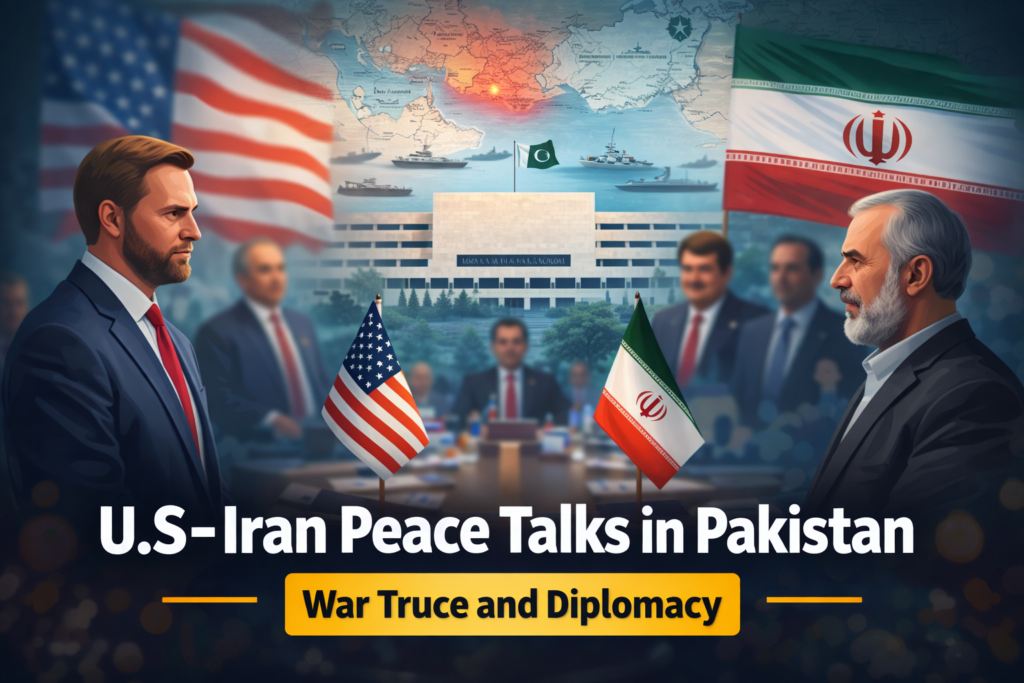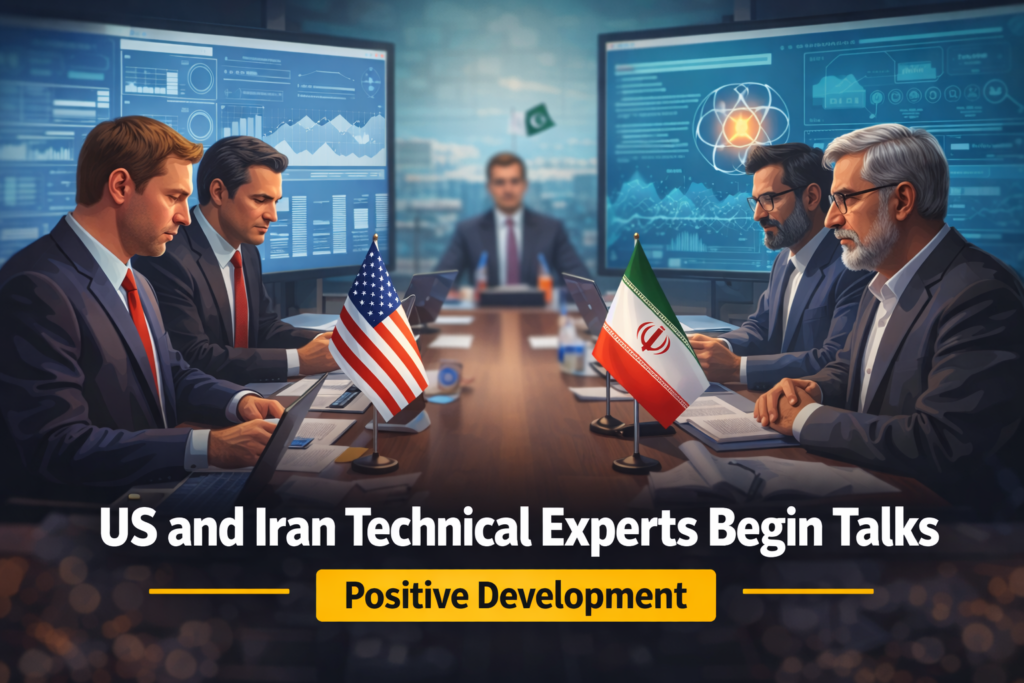
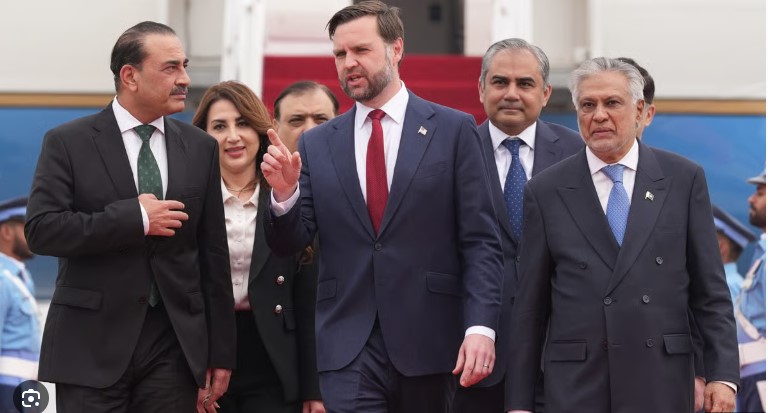
The United States and Iran are preparing for a second round of high-stakes negotiations in Islamabad, Pakistan, following a tense and inconclusive first round earlier this month.
With global tensions rising and the Strait of Hormuz crisis impacting oil markets, the upcoming talks could shape the future of U.S. foreign policy and global security.
- Islamabad is under tight security lockdown as preparations begin for a possible second round of negotiations
- President Trump has confirmed a U.S. delegation will return to Pakistan, warning of serious consequences if talks fail
- European allies fear a rushed deal could create long-term risks and technical complications
- Diplomatic tensions remain high, with confusion and mistrust still affecting negotiations
📍 Why Islamabad, Pakistan?
The talks are being held in Islamabad, which has emerged as a neutral diplomatic hub between Washington and Tehran.
Pakistan’s role includes:
- Acting as a mediator between the U.S. and Iran
- Providing secure ground for direct talks
- Facilitating communication amid rising conflict
The first round of talks (April 11–12, 2026) lasted over 21 hours but ended without a deal, although both sides agreed to keep negotiations open
⚖️ Why Round 2 Matters
This second round—often called “Islamabad Process Round 2”—comes at a crucial time:
1. Nuclear Program Dispute
- The U.S. wants zero uranium enrichment
- Iran insists on limited civilian nuclear rights
2. Sanctions Relief
- Iran demands immediate economic relief
- The U.S. prefers phased or conditional easing
3. Strait of Hormuz Crisis
- A key global oil route remains unstable
- Any disruption directly affects U.S. gas prices
4. Ceasefire Pressure
- Ongoing regional conflict has killed thousands and displaced millions
🔍 What Happened in Round 1?
The initial negotiations were historic:
- First high-level direct talks in years
- Hosted at Islamabad’s Serena Hotel
- Included U.S. and Iranian top officials
However, talks failed due to:
- Deep mistrust
- Disagreements on nuclear limits
- Conflicting expectations on sanctions
Still, both sides left the door open for further dialogue
⚠️ Challenges Ahead in Round 2
Even with renewed efforts, major obstacles remain:
- ❗ No confirmed agreement from Iran to attend
- ❗ Conflicting timelines and diplomatic uncertainty
- ❗ Pressure on the U.S. administration for quick results
- ❗ Risk of escalation if talks collapse
Experts warn that even if a deal is reached, it may be temporary or incomplete
🇺🇸 Why This Matters for Americans
For U.S. readers, these talks have real-world impact:
⛽ Gas Prices
Any instability in oil supply routes can increase fuel costs across the U.S.
🛡️ National Security
Iran’s nuclear ambitions remain a top strategic concern.
🌍 Global Economy
Markets react quickly to Middle East tensions, affecting inflation and trade.
🔮 What Happens Next?
- A second round is expected within days, though exact timing remains uncertain
- Pakistan continues to push both sides toward a deal
- President Trump has hinted he may personally visit Islamabad if progress is made
The world is watching closely as diplomacy enters a decisive phase.
📌 Final Thoughts
The US–Iran Round 2 talks in Islamabad represent a pivotal moment in global diplomacy.
While the first round showed how difficult a deal will be, the second round could determine whether the world moves toward peace—or deeper conflict.
❓ FAQ Section
1. What is the US–Iran Round 2 deal in Islamabad?
It refers to the second round of negotiations between the United States and Iran, hosted by Pakistan, aimed at resolving nuclear and regional conflicts.
2. When will the second round of talks happen?
The talks are expected soon, but no exact date has been officially confirmed.
3. Why is Pakistan hosting these talks?
Pakistan is acting as a neutral mediator with diplomatic ties to both countries.
4. What are the main issues being discussed?
Key topics include:
- Iran’s nuclear program
- Sanctions relief
- Regional security
- Strait of Hormuz stability
5. Will the US and Iran reach a deal?
It remains uncertain. Experts believe progress is possible, but a final agreement may take multiple rounds.