
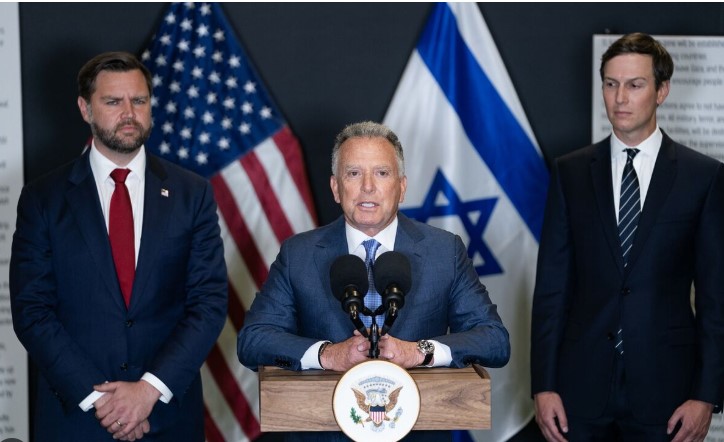
U.S. Delegation Lands in Islamabad for High-Stakes Iran Talks
A senior U.S. delegation has officially arrived in Islamabad, Pakistan, setting the stage for a crucial new round of peace negotiations with Iran. The talks come at a time of heightened global tension, with the outcome expected to impact not only the Middle East but also the United States economy and national security.
The arrival signals a renewed push by Washington to resolve key disputes with Tehran, particularly around nuclear development and regional stability.
🌍 Why These Talks Matter Now
The negotiations in Islamabad are taking place amid:
- Rising tensions in the Middle East
- Ongoing concerns over Iran’s nuclear program
- Instability in global oil supply routes
For Americans, this situation is more than international politics—it could directly affect gas prices, inflation, and U.S. security strategy.
📍 Why Islamabad, Pakistan?
Islamabad has emerged as a neutral diplomatic ground for U.S.-Iran negotiations.
Pakistan is playing a key mediating role by:
- Hosting high-level diplomatic meetings
- Ensuring tight security arrangements
- Facilitating communication between both sides
This reflects Pakistan’s growing importance in global diplomacy, especially in sensitive geopolitical conflicts.
🧭 What the U.S. Delegation Aims to Achieve
The U.S. delegation’s visit is focused on several critical objectives:
1. Nuclear Agreement Progress
Washington is pushing for stricter limits on Iran’s nuclear program, aiming to prevent weapons development.
2. De-escalation of Regional Conflict
Reducing military tensions across the Middle East remains a top priority.
3. Securing Global Oil Routes
Stability in the Strait of Hormuz is essential for maintaining global energy supply.
4. Sanctions and Economic Terms
Negotiators are expected to discuss potential sanctions relief in exchange for compliance.
⚠️ Key Challenges Ahead
Despite renewed efforts, significant hurdles remain:
- Deep mistrust between the U.S. and Iran
- Disagreements over nuclear limits
- Pressure for quick results from global allies
- Security concerns surrounding negotiations
Earlier rounds of talks failed to produce a final agreement, highlighting how complex and fragile the process is.
🇺🇸 What This Means for Americans
⛽ Gas Prices
Any disruption in Middle East oil supply can lead to higher fuel costs in the U.S.
🛡️ National Security
Preventing nuclear escalation remains a top U.S. defense priority.
📉 Economic Impact
Markets react quickly to geopolitical tensions, influencing inflation and investments.
🔮 What Happens Next?
With the U.S. delegation now in Islamabad:
- Talks are expected to begin immediately
- Iran’s participation remains critical
- The possibility of a breakthrough—or breakdown—remains high
Officials have indicated that this round of negotiations could be decisive in determining the future of U.S.-Iran relations.
📌 Final Thoughts
The arrival of the U.S. delegation in Islamabad marks a critical turning point in global diplomacy. While challenges remain, the talks offer a rare opportunity to move toward stability and reduce the risk of wider conflict.
For the United States, the stakes couldn’t be higher—impacting everything from energy prices to national security.
❓ FAQ Section
1. Why did the U.S. delegation travel to Islamabad?
The delegation is in Islamabad to hold peace talks with Iran, focusing on nuclear issues, sanctions, and regional security.
2. Who is part of the U.S. delegation?
While full details are not publicly confirmed, senior diplomatic and security officials are leading the discussions.
3. Why is Pakistan hosting the talks?
Pakistan is acting as a neutral mediator and providing a secure environment for negotiations.
4. What are the main issues in the talks?
Key topics include:
- Iran’s nuclear program
- Sanctions relief
- Middle East stability
- Oil route security
5. How will this affect the United States?
The outcome could influence:
- Gas prices
- National security
- Global economic stability