If you have filled up your gas tank lately and winced at the number on the pump, you are not imagining things.Oil prices are rising again, and the reason sits squarely in the Persian Gulf, where the United States and Iran are locked in a standoff that neither side seems willing to blink on.
This is not a new conflict, but it is reaching a point where the financial consequences are becoming impossible to ignore for everyday Americans.Energy prices keep climbing, no progress is being made toward any kind of deal, and now Hezbollah has rejected a Lebanon ceasefire — pulling yet another thread in an already fraying regional picture.
How Did We Get Here?
The current tension between Washington and Tehran escalated sharply after a series of confrontations in the Strait of Hormuz — one of the most strategically important waterways on earth.About 20 percent of the world’s oil supply passes through that narrow channel.When Iran seized vessels it accused of violations earlier this month, markets did not wait for a diplomatic explanation.Prices moved.
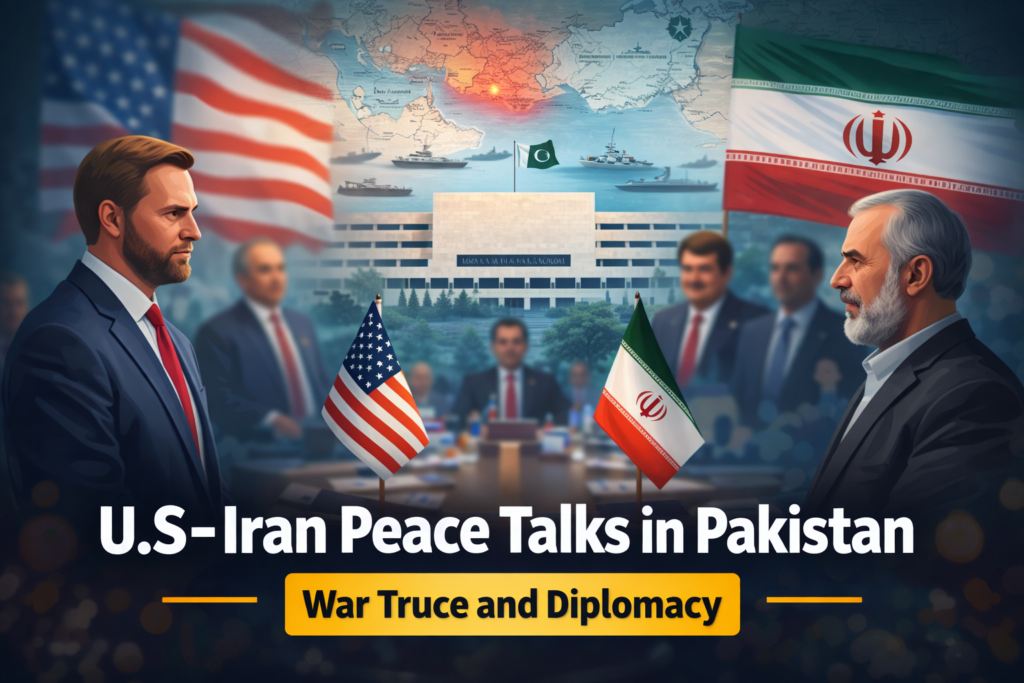
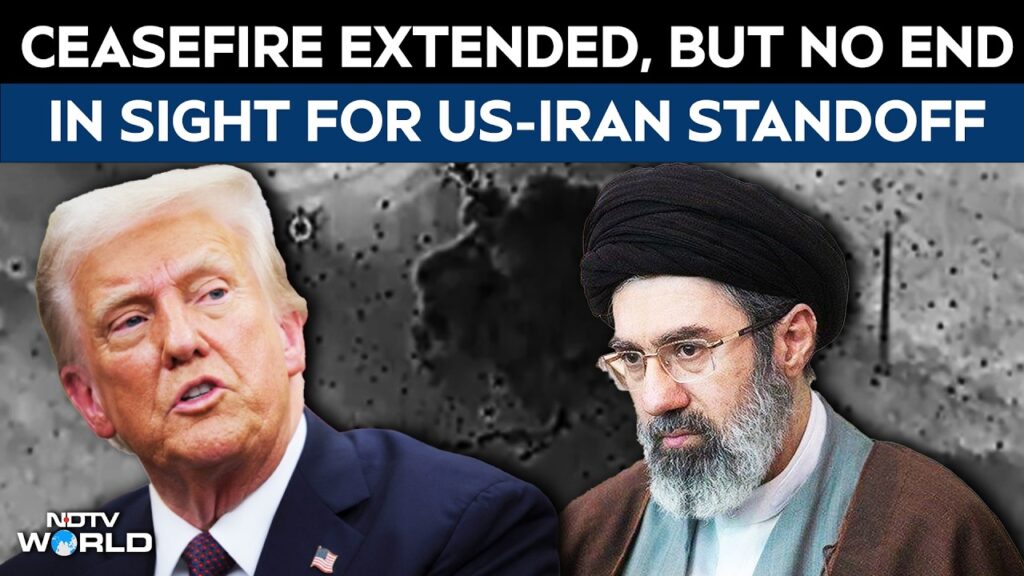
Since then, the two countries have been stuck.The U.S.wants Iran to pull back from its nuclear program and its regional military operations.Iran wants sanctions relief and what it calls recognition of its sovereignty.Neither side has moved meaningfully.Iran’s foreign minister has been shuttling between capitals — Islamabad, Moscow — trying to build political support and leverage.Meanwhile, Washington has shown no sign of softening its position.
What This Means for Oil Prices
Energy markets run on certainty, and right now certainty is in short supply.Every week that the standoff continues without movement is another week that traders price in the risk of something worse happening.A miscalculation in the Strait of Hormuz — a naval encounter that goes wrong, a tanker seizure that escalates — could send prices spiking in ways that would make the current levels feel manageable.
Iran’s visit to Russia adds another layer.If Moscow offers Tehran meaningful political backing, it complicates any path toward a deal that the U.S.and its European allies might want to pursue through international pressure.Russia has reasons of its own to keep the standoff running — high oil prices benefit its economy, which has been battered by years of Western sanctions.
The Lebanon Complication
As if the Iran situation were not enough on its own, Hezbollah’s rejection of a ceasefire in Lebanon has added fuel to what is already a volatile regional moment.Hezbollah and Iran are deeply linked — politically, financially, militarily.Any resolution that involves one tends to require movement from the other.Right now, neither is moving.
For American foreign policy, this creates a genuine dilemma.The administration cannot simply focus on Iran without accounting for Lebanon, and it cannot address Lebanon without grappling with Hezbollah’s connection to Tehran.These threads are all tied together, and pulling one without thinking about the others tends to make things worse.
What Americans Should Watch
The most immediate thing to watch is the price at the pump over the next few weeks.If the standoff continues without any diplomatic signal, energy costs will keep creeping up.That affects transportation costs, which affects the price of goods, which affects household budgets — the cascade is familiar and it moves faster than diplomacy does.
Beyond the economy, the question is whether either side will blink.Historical precedent suggests that Iran, when truly squeezed, eventually looks for a way to negotiate while maintaining the appearance of strength.But the current administration has shown little appetite for the kind of behind-the-scenes engagement that might make that possible.So for now, both sides stare across a very expensive stretch of water and wait.
The longer this goes on, the more it costs — not just in oil prices, but in diplomatic capital, in regional stability, and in the credibility of American deterrence.It is a stalemate in the truest sense, and the people paying the bill are not sitting in Tehran or Washington.They are at the gas station.
Stay informed as the U.S.-Iran situation continues to develop.Oil markets will reflect every shift in the diplomatic temperature almost in real time.