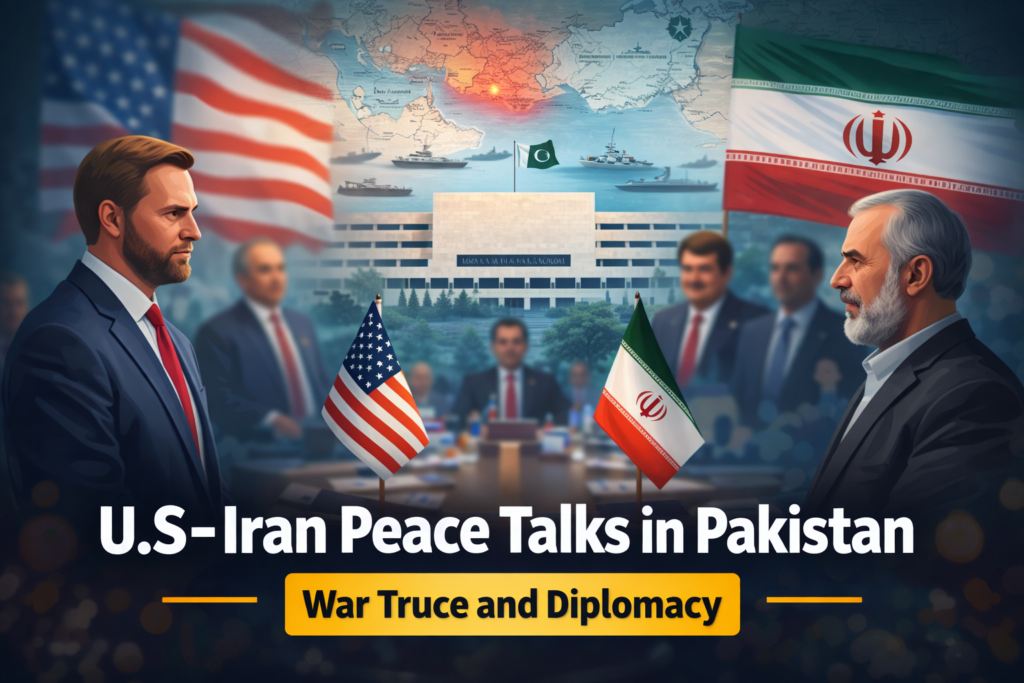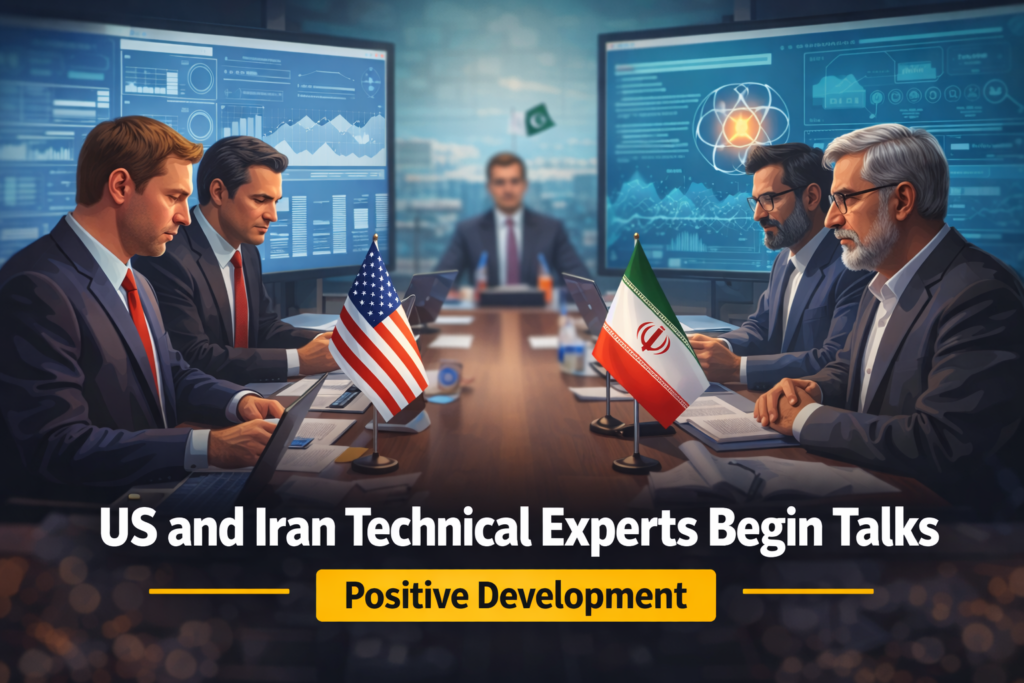
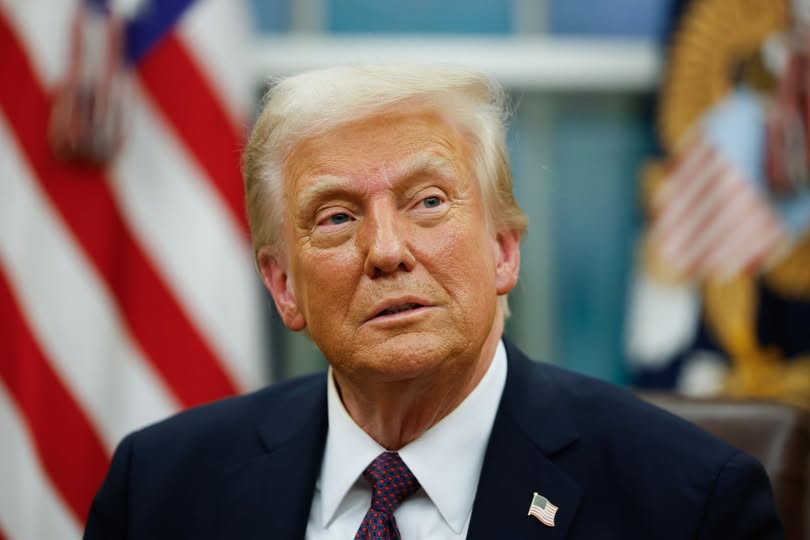
Reports suggesting that the President of the United States and the President of Iran could arrive in Pakistan within the next two days for a potential peace agreement have captured global attention, as tensions surrounding the ongoing conflict continue to impact international stability, energy markets, and geopolitical alliances. While official confirmations remain limited, multiple developments indicate that high-level negotiations are intensifying, with Pakistan emerging as a central diplomatic platform for dialogue between Washington and Tehran.
Recent statements from U.S. leadership have hinted that renewed negotiations with Iran could take place “within the next two days,” potentially in Islamabad, signaling urgency in efforts to de-escalate the situation. At the same time, global diplomatic circles and international media are closely monitoring movements in the region, suggesting that something significant may be unfolding behind the scenes. However, it is important to clarify that, as of now, confirmed reports indicate that delegations and senior officials have been involved in talks rather than the direct arrival of both presidents, making current speculation about top-level visits part of an evolving and fluid situation.
The backdrop to these developments is a highly volatile regional conflict involving the United States, Iran, and allied forces, which has escalated over recent weeks into a broader geopolitical crisis. The conflict has disrupted oil supply routes, particularly around the Strait of Hormuz, a critical chokepoint for global energy shipments, and has triggered military responses, sanctions, and countermeasures from both sides. In this context, any movement toward peace talks is being viewed as a potential turning point not just for the region but for the global economy.
Pakistan’s role in this process is particularly significant. Historically positioned as a strategic player in regional diplomacy, Pakistan is now being recognized as a potential neutral ground where both parties can engage in direct or indirect negotiations. Reports indicate that previous rounds of discussions, including high-level delegations from both countries, have already taken place in Islamabad, marking one of the most important diplomatic engagements between the U.S. and Iran in decades. These talks have been described as complex and challenging, reflecting deep disagreements over key issues such as nuclear policy, sanctions, and regional security.
The idea that both presidents might travel to Pakistan underscores the seriousness of the negotiations, even if such visits have not yet been officially confirmed. In international diplomacy, the physical presence of top leaders is often reserved for finalizing agreements rather than initiating discussions, which suggests that if such a visit were to occur, it would likely indicate that a framework for agreement is already close to completion. This possibility has fueled speculation that a deal aimed at ending hostilities, or at least extending a ceasefire, could be within reach.
At the core of the negotiations is the long-standing dispute over Iran’s nuclear program. The United States has consistently pushed for strict limitations on uranium enrichment and long-term monitoring, while Iran has sought relief from economic sanctions and recognition of its right to pursue peaceful nuclear technology. Recent reports suggest that one of the key sticking points remains the duration and scope of any agreement, with discussions ranging from shorter-term arrangements to more extended commitments. These differences highlight the complexity of reaching a mutually acceptable deal.
Beyond nuclear issues, the talks are also expected to address broader security concerns, including regional conflicts involving Israel, Lebanon, and other Middle Eastern actors. The interconnected nature of these conflicts means that any agreement between the U.S. and Iran could have ripple effects across multiple regions, influencing alliances, military strategies, and diplomatic relations.
Another critical factor shaping the negotiations is military activity. While political statements often dominate headlines, analysts emphasize that movements on the ground, including troop deployments, naval operations, and airspace security, provide crucial insights into the real intentions of the parties involved. Increased military readiness on both sides has been observed in recent weeks, suggesting that while diplomacy is being pursued, the possibility of further escalation has not been entirely ruled out. This dual-track approach—combining negotiation with strategic positioning—is a common feature of high-stakes international conflicts.
The presence of international journalists and media organizations in Islamabad further reinforces the perception that a major diplomatic development could be imminent. Media coverage has highlighted the arrival of delegations, heightened security measures, and preparations within Pakistan to host high-level talks. Such activity typically precedes significant announcements or breakthroughs, adding to the anticipation surrounding the situation.
From a global perspective, the potential outcomes of these negotiations carry far-reaching implications. A successful agreement could lead to a reduction in tensions across the Middle East, stabilization of global oil markets, and renewed diplomatic engagement between two countries that have had limited direct contact for decades. Conversely, failure to reach an agreement could prolong the conflict, exacerbate economic disruptions, and increase the risk of further military confrontation.
For the United States, securing a deal with Iran would represent a major diplomatic achievement, potentially easing pressures on global markets and demonstrating leadership in conflict resolution. For Iran, an agreement could provide much-needed economic relief and a pathway to reintegration into the global economy. For Pakistan, hosting such negotiations would enhance its international standing and reinforce its role as a key mediator in global affairs.
It is also important to recognize that information surrounding such high-level negotiations often evolves rapidly, with initial reports sometimes differing from official confirmations. In this case, while the idea of both presidents arriving in Pakistan has generated significant attention, current verified information suggests that negotiations are ongoing at the delegation level, with the possibility of higher-level involvement depending on progress. This distinction is crucial for understanding the situation accurately and avoiding misinformation.
As the next 48 to 72 hours unfold, the world will be watching closely for any official announcements or developments. Whether or not the presidents themselves travel to Pakistan, the continuation of talks and the involvement of key stakeholders indicate that efforts to end the conflict are actively underway. The outcome of these efforts will not only shape the future of U.S.–Iran relations but also influence the broader geopolitical landscape for years to come.
In conclusion, while reports of both leaders arriving in Pakistan remain speculative at this stage, the underlying reality is that critical negotiations aimed at ending a major international conflict are in progress, with Pakistan playing a central role in facilitating dialogue. The situation remains dynamic, and any developments in the coming days could mark a significant step toward peace or, alternatively, signal continued challenges in resolving one of the most complex geopolitical disputes of our time.