Reports of renewed United States–Iran negotiations have once again brought global attention to the fragile balance between diplomacy, domestic politics, and leadership dynamics in Washington. As discussions intensify over potential agreements aimed at reducing tensions, attention has also turned inward to the evolving roles of senior American political figures, including former President Donald Trump and Vice President J.D. Vance, and how internal political positioning could influence the direction and outcome of these high-stakes talks.
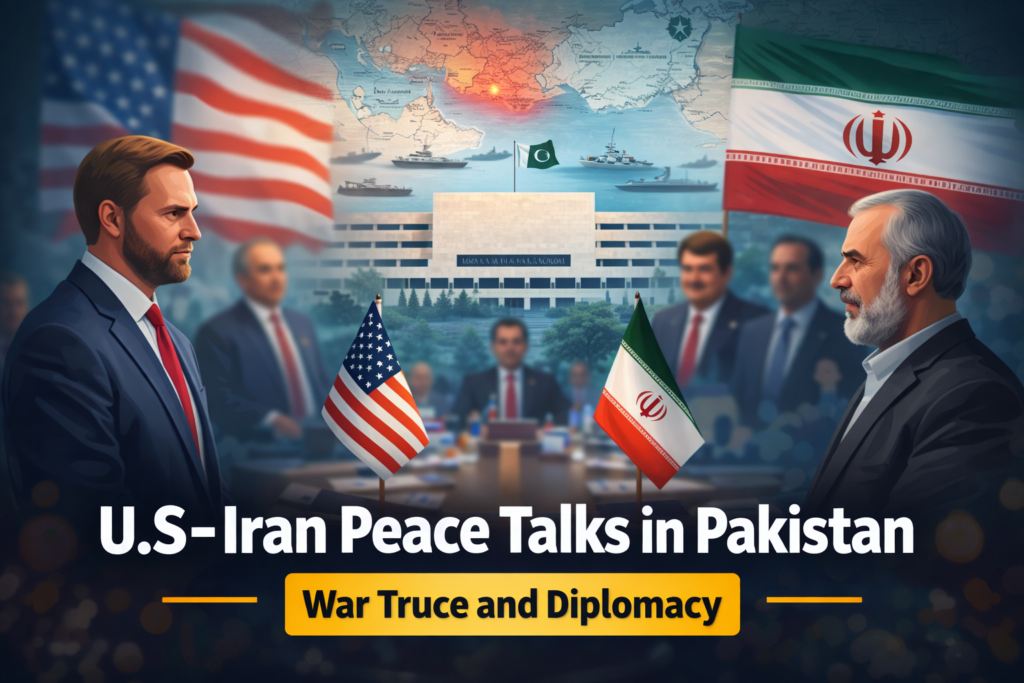
In recent days, speculation has grown around the idea that upcoming negotiations—possibly involving a new diplomatic round in a neutral location such as Pakistan—could represent a turning point in U.S.–Iran relations. While official confirmations remain limited, the broader geopolitical environment suggests that both sides are under increasing pressure to find a path forward. Economic concerns, regional instability, and global energy market fluctuations have all contributed to a sense of urgency that has not been seen in recent years. Against this backdrop, the role of U.S. leadership becomes critically important, as both allies and adversaries closely monitor signals coming from Washington.
Within the United States, political narratives surrounding leadership, negotiation strategy, and decision-making styles often become as influential as the diplomatic efforts themselves. Donald Trump, known for his unconventional and highly personalized approach to foreign policy, has historically emphasized direct engagement, high-risk bargaining tactics, and a willingness to walk away from negotiations if terms are not favorable. This approach has drawn both praise and criticism. Supporters argue that it creates leverage and unpredictability, while critics contend that it can undermine long-term trust and stability in international agreements.
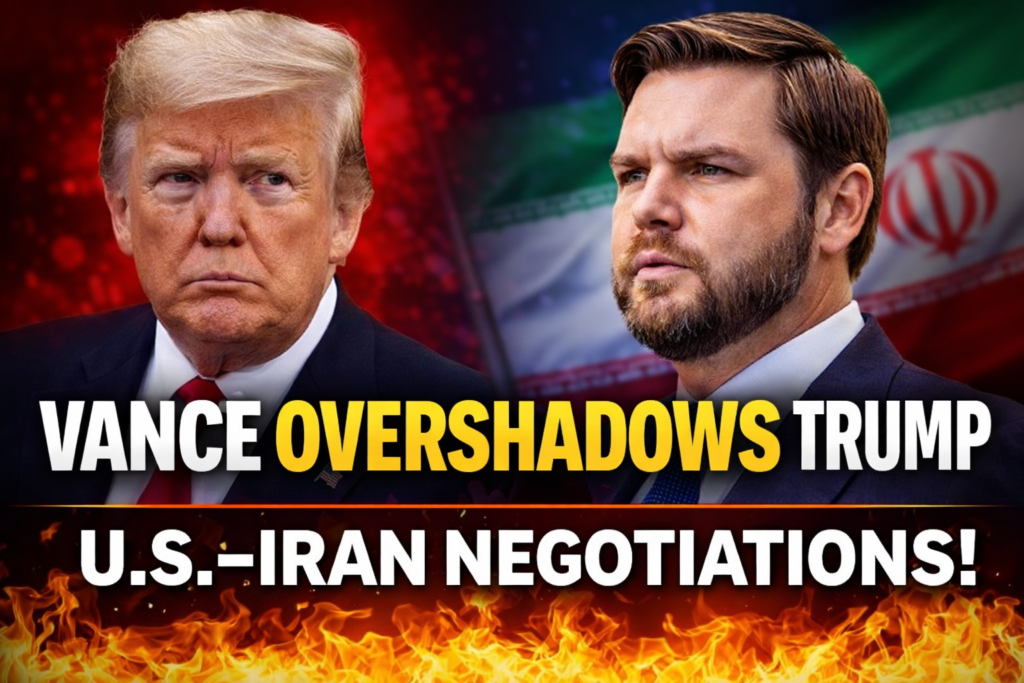
At the same time, Vice President J.D. Vance has emerged as an increasingly visible figure in discussions about U.S. foreign policy strategy. While vice presidents traditionally play a supportive role, modern administrations often rely on them as key advisors, intermediaries, and strategic voices in complex negotiations. Observers note that differences in tone, communication style, and policy emphasis between senior leaders can shape how negotiations are perceived both domestically and internationally. In high-pressure diplomatic environments, even subtle variations in messaging or timing can influence outcomes.
It is important to distinguish between verified developments and circulating claims when analyzing situations like this. There is no confirmed evidence from credible, public sources that any U.S. leader has intentionally undermined negotiations or acted with the goal of damaging another leader’s standing. However, political analysts frequently discuss the possibility of internal disagreements, strategic differences, and competing priorities within administrations. These dynamics are not unusual in democratic systems, where multiple perspectives often coexist at the highest levels of decision-making.
From a negotiation standpoint, internal alignment is critical. Successful international agreements typically require clear, consistent messaging from all members of a negotiating team. When differences become visible—whether real or perceived—they can create uncertainty for the opposing side, potentially slowing progress or complicating efforts to reach consensus. In the context of U.S.–Iran talks, where trust has historically been limited and stakes remain high, any signs of inconsistency can have amplified effects.
The broader political environment in the United States also plays a significant role. Public opinion, media narratives, and institutional perspectives all contribute to the pressure facing national leaders. In recent years, political polarization has intensified, making foreign policy decisions subject to heightened scrutiny and debate. While some observers interpret strong criticism of leaders as a sign of democratic accountability, others view it as a source of instability that can weaken the country’s negotiating position abroad. The reality likely lies somewhere in between, with domestic debate serving both as a check on power and a complicating factor in unified policy execution.
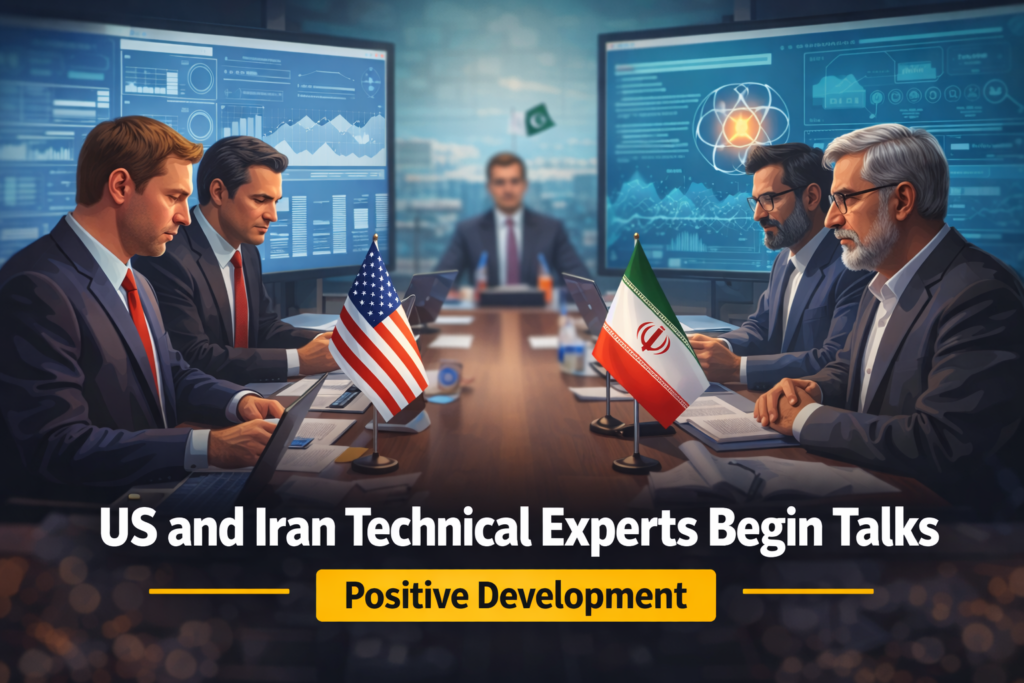
In terms of U.S.–Iran relations, the central issues remain consistent. Discussions typically revolve around nuclear program limitations, economic sanctions, regional security concerns, and the potential for longer-term diplomatic engagement. Each of these areas involves complex trade-offs. For example, Iran has consistently sought relief from sanctions that have significantly impacted its economy, while the United States has emphasized the need for verifiable limits on nuclear activities and compliance with international monitoring standards. Bridging these differences requires not only technical agreements but also political will on both sides.
The idea that negotiations could reach an advanced stage and then stall or reset is not uncommon in international diplomacy. Complex agreements often go through multiple rounds, with progress followed by setbacks as new concerns emerge or political conditions change. In such scenarios, it is not unusual for talks to pause and later resume under revised frameworks. Analysts often emphasize that these pauses do not necessarily indicate failure; rather, they can be part of a longer process of refinement and adjustment.
Another factor worth considering is the role of perception. In global diplomacy, how events are interpreted can be as important as what actually occurs. Media coverage, political commentary, and public statements all shape the narrative surrounding negotiations. If a particular leader is portrayed as responsible for a breakdown, that perception can influence both domestic opinion and international reactions, regardless of the underlying realities. This makes communication strategy a key component of modern diplomacy.
Looking ahead, the possibility of a new round of negotiations remains significant. Reports suggesting that talks could resume in the near future indicate that both sides may still see value in continued engagement. The involvement of a neutral venue, such as Pakistan, could provide an environment conducive to dialogue, away from immediate political pressures. Neutral locations have historically played important roles in facilitating sensitive discussions, offering a degree of separation from domestic audiences and allowing negotiators to focus on substantive issues.
For the United States, maintaining credibility and consistency in its negotiating approach will be essential. Allies and partners often look for clear signals that U.S. commitments are stable and reliable. At the same time, demonstrating flexibility and openness to compromise can help build trust with negotiating counterparts. Balancing these priorities requires careful coordination among all senior leaders involved in the process.
For Iran, the stakes are equally high. Economic challenges, regional pressures, and internal considerations all influence its negotiating position. Engaging in talks with the United States offers potential benefits but also carries risks, particularly in terms of domestic perception and long-term strategic goals. As a result, Iranian negotiators are likely to approach discussions with caution, seeking assurances that any agreement will be both enforceable and beneficial.
In the broader geopolitical context, the outcome of U.S.–Iran negotiations could have far-reaching implications. A successful agreement could reduce tensions across the Middle East, stabilize energy markets, and open the door to further diplomatic engagement. Conversely, continued uncertainty or failure to reach consensus could prolong instability, increase the risk of escalation, and contribute to economic volatility.
Ultimately, while narratives about internal political dynamics can capture public attention, the success of international negotiations depends on a wide range of factors, including strategic interests, technical agreements, and mutual willingness to compromise. Leadership styles, communication approaches, and domestic political considerations all play important roles, but they are part of a larger, more complex process.
As developments continue to unfold, it will be important to rely on verified information and credible sources when assessing the situation. Speculation and opinion can provide context and perspective, but clear evidence remains the foundation of accurate understanding. In a rapidly changing environment, separating fact from interpretation is essential for both informed analysis and effective decision-making.
The coming days and weeks are likely to be critical in determining the direction of U.S.–Iran relations. Whether negotiations advance toward a meaningful agreement or encounter further challenges will depend on the interplay of diplomacy, politics, and strategic calculation on both sides. For observers in the United States and around the world, the situation serves as a reminder of the complexity of modern international relations and the importance of measured, informed analysis in understanding global events.