📰 BREAKING NEWS: Pakistan Army Chief Lands in Tehran
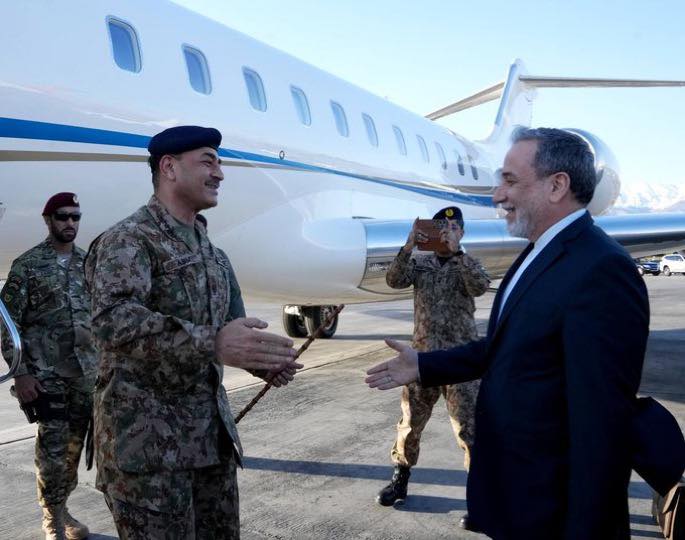
Asim Munir, Pakistan’s powerful military chief, has arrived in Tehran for high-level diplomatic talks, where he was officially received by Abbas Araghchi.
The visit comes at a critical moment as tensions in the Middle East remain high and diplomatic efforts intensify to prevent further escalation.
According to official sources, Munir is leading a high-level Pakistani delegation, signaling Islamabad’s growing role in regional diplomacy.
🌍 Background: Why This Visit Matters
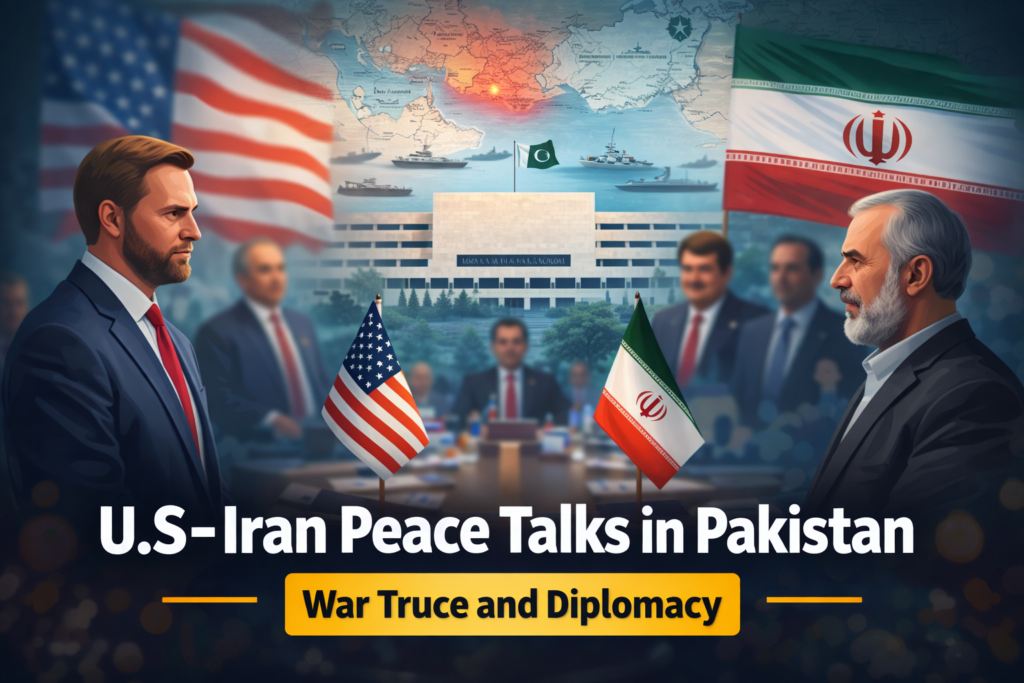
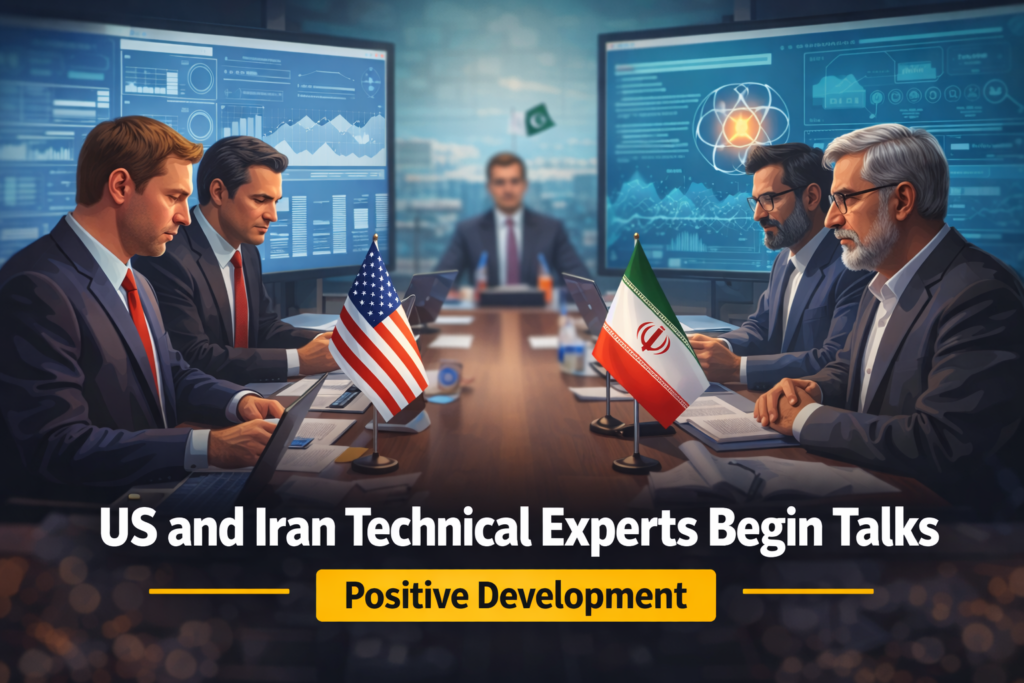
The visit follows recent failed negotiations between the United States and Iran in Islamabad, which aimed to reduce tensions linked to conflicts in the region, including Lebanon.
Pakistan has increasingly positioned itself as a neutral mediator, working behind the scenes to facilitate dialogue between Washington and Tehran.
🔹 Key Context:
- Rising tensions between Iran, Israel, and regional groups
- Fragile ceasefire discussions involving global powers
- Pakistan hosting rare direct US-Iran talks
Experts say this visit is part of a broader diplomatic push to restart stalled negotiations and prevent a wider conflict.
🤝 High-Level Meeting in Tehran
Upon arrival, Asim Munir was welcomed by Abbas Araghchi in an official reception.
Iranian officials acknowledged Pakistan’s role in facilitating earlier talks and expressed appreciation for its diplomatic efforts.
🔹 Meeting Highlights:
- Exchange of diplomatic messages between the U.S. and Iran
- Planning for a second round of negotiations
- Discussions on regional security and cooperation
Reports indicate that Munir carried a message from Washington, underscoring Pakistan’s role as a communication bridge.
🇺🇸 U.S. Angle: Why Americans Should Pay Attention
For U.S. audiences, this visit is highly significant.
Pakistan is now playing a key intermediary role between the United States and Iran, two countries with decades of strained relations.
🔹 Strategic Importance:
- Could help prevent a larger Middle East conflict
- Opens door for renewed nuclear or security talks
- Reduces risk of disruption in global oil markets
Recent reports suggest Pakistan has already helped facilitate direct contact between U.S. and Iranian officials, something not seen in years.
⚠️ Ongoing Mediation Efforts
The Tehran visit is not just symbolic — it is part of an active mediation effort.
Pakistan’s leadership, including military and political figures, is working to:
- Extend fragile ceasefire agreements
- Build trust between opposing sides
- Arrange future diplomatic meetings
According to analysts, Pakistan’s involvement reflects its ambition to become a major diplomatic player in global politics.
🌐 Regional Impact
This development could have wide-ranging implications across the Middle East.
🔹 Potential Outcomes:
- Reduced tensions in Lebanon and surrounding areas
- Increased cooperation between regional powers
- Strengthened Pakistan-Iran bilateral relations
However, experts warn that the situation remains fragile and dependent on continued diplomatic engagement.
🧠 Expert Analysis
Geopolitical analysts describe Munir’s visit as a “high-stakes diplomatic mission.”
Pakistan’s military leadership is playing an unusually visible role in foreign policy, reflecting the urgency of the situation.
🔻 Key Concerns:
- Lack of trust between the U.S. and Iran
- Influence of other regional actors
- Risk of sudden escalation
Still, the visit signals that dialogue channels remain open, which is critical in preventing conflict.
🔮 What Happens Next?
Following the Tehran meetings, attention will shift to:
- Possible second round of US-Iran talks
- Monitoring ceasefire agreements
- Further diplomatic engagements
If successful, this effort could mark a turning point in Middle East diplomacy.
🏁 Conclusion
The arrival of Asim Munir in Tehran, welcomed by Abbas Araghchi, highlights Pakistan’s growing role in global diplomacy.
As tensions remain high, this visit represents a critical step toward reviving dialogue between the United States and Iran.
👉 The coming days will determine whether these efforts lead to lasting stability or remain another temporary diplomatic attempt.
❓ FAQs
1. Why did Asim Munir visit Tehran?
To advance diplomatic talks and help restart US-Iran negotiations.
2. Who welcomed him in Iran?
Iran’s Foreign Minister Abbas Araghchi.
3. What is Pakistan’s role in this situation?
Pakistan is acting as a mediator between the U.S. and Iran.
4. Is this related to Middle East tensions?
Yes, especially conflicts involving Iran and regional instability.
5. What could happen next?
A second round of talks between the U.S. and Iran may take place.