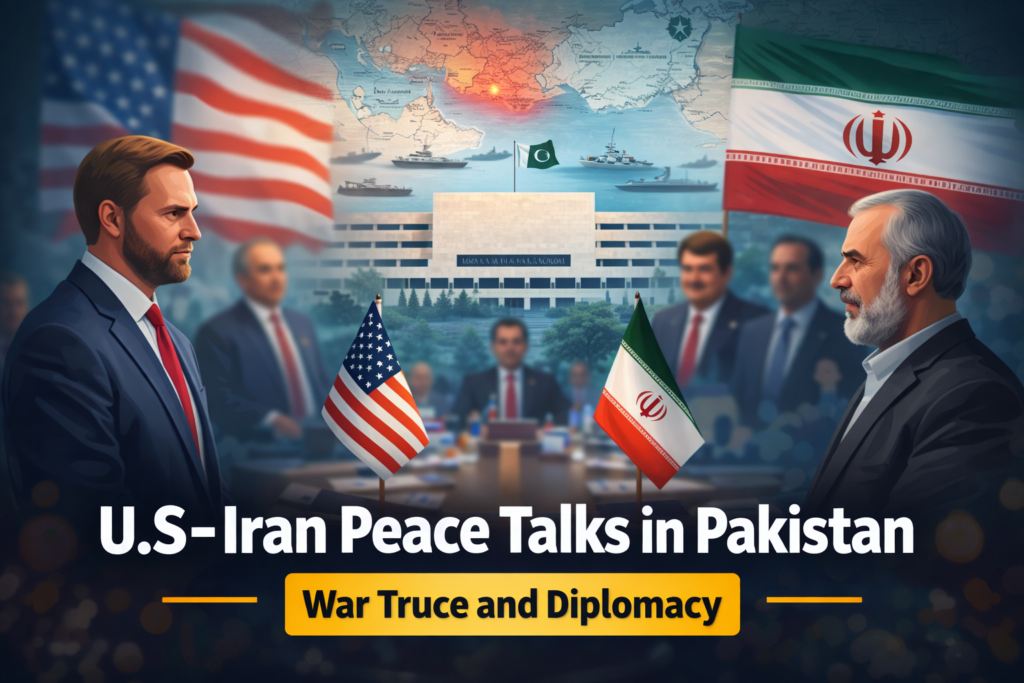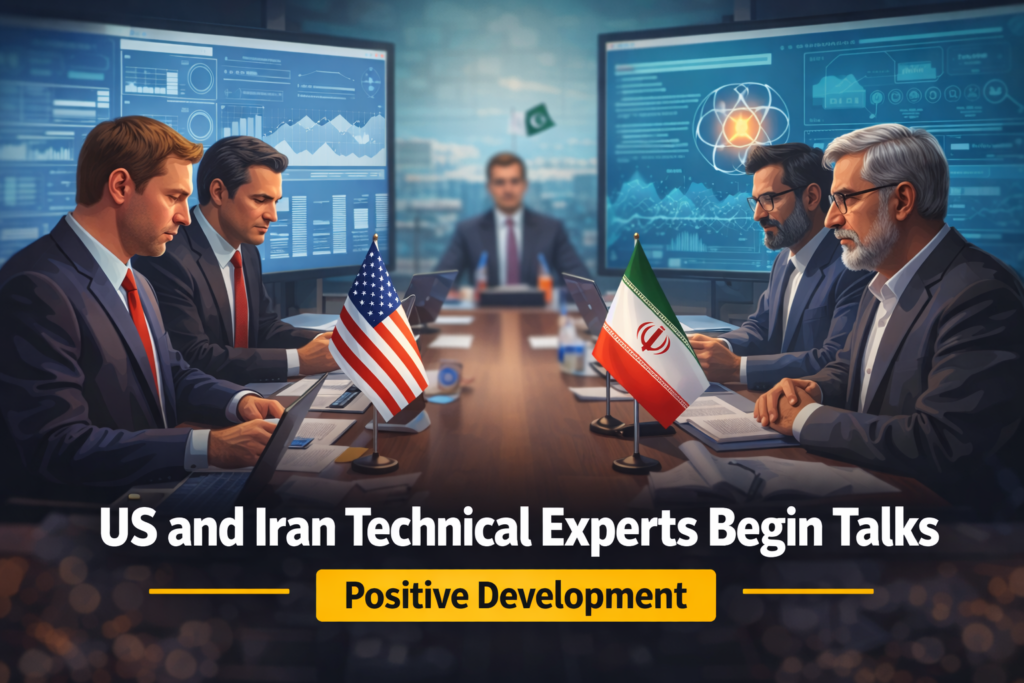
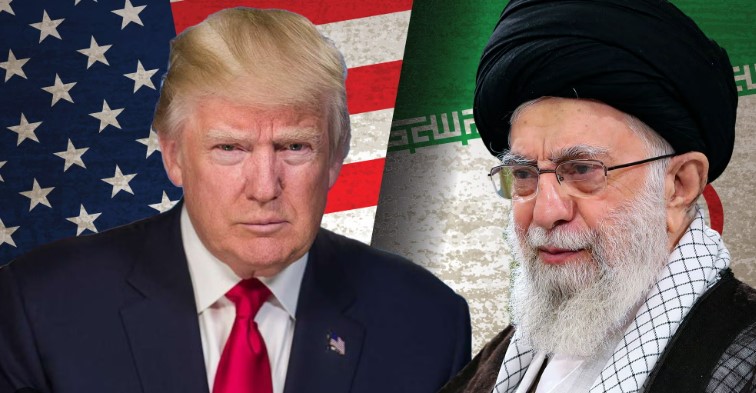
Understanding America’s Nuclear Strategy and Sanctions in 2026
The United States nuclear program and its associated sanctions framework have become increasingly complex in 2026. Whether you’re a student, policy enthusiast, or just curious about international relations, this comprehensive guide breaks down everything you need to know about America’s nuclear initiatives, sanctions policies, and their global impact.
Table of Contents
- Introduction to US Nuclear Strategy
- What is the JCPOA and Why Does It Matter?
- Trump’s 2018 Withdrawal and Its Aftermath
- The 2026 Sanctions Landscape
- Iran’s Nuclear Program: What You Need to Know
- Current Sanctions Measures (April 2026)
- International Response and Allies
- The Path Forward: Negotiations and Future Outlook
- FAQs About Nuclear Sanctions
Introduction to US Nuclear Strategy {#introduction}
The United States maintains a complex approach to nuclear policy that serves two main purposes:
Why Nuclear Policy Matters
- Global Security: Preventing nuclear weapons proliferation protects American citizens and allies
- Economic Impact: Sanctions affect international trade, oil prices, and economic relationships
- Diplomatic Leverage: Nuclear policy shapes America’s relationships with world powers
The 2026 nuclear landscape is dominated by tensions surrounding Iran’s atomic program, renewed focus on preventing weapons development, and a multi-layered sanctions approach that impacts everything from international shipping to financial institutions.
Key Players in the 2026 Nuclear Debate
- United States: Enforcing maximum pressure campaign
- Iran: Pursuing nuclear activities beyond international agreements
- Israel: Conducting military operations against Iranian nuclear facilities
- European Nations: Attempting diplomatic solutions
- International Atomic Energy Agency (IAEA): Monitoring compliance
What is the JCPOA and Why Does It Matter? {#jcpoa}
Understanding the Joint Comprehensive Plan of Action
The Joint Comprehensive Plan of Action (JCPOA), commonly known as the “Iran nuclear deal,” was finalized in July 2015. This historic agreement was negotiated between Iran and the P5+1 countries:
- China
- France
- Germany
- Russia
- United Kingdom
- United States
What the JCPOA Required
Under the agreement, Iran committed to significant restrictions on its nuclear program:
- Limited uranium enrichment: Iran agreed to maintain less weaponizable nuclear materials
- Heavy water reactor constraints: Restrictions on plutonium production pathways
- International monitoring: The IAEA received unprecedented access to Iranian nuclear facilities
- Sanctions relief: In exchange, international sanctions were lifted or suspended
Why This Deal Was Controversial
Supporters argued:
- The deal verifiably limited Iran’s nuclear weapons capability
- International inspections provided transparency
- Diplomatic solution was preferable to military conflict
Critics contended:
- The agreement was too generous to Iran
- It didn’t address Iran’s ballistic missile program
- The deal had a sunset clause, making restrictions temporary
- It didn’t account for Iran’s regional military activities
Trump’s 2018 Withdrawal and Its Aftermath {#withdrawal}
The Historic May 2018 Decision
On May 8, 2018, President Donald Trump announced the United States withdrawal from the JCPOA, calling it “a horrible one-sided deal that should have never, ever been made.” This decision marked a significant turning point in nuclear diplomacy.
What Changed After Withdrawal
Immediate Consequences:
- US Re-imposed Sanctions: The Trump administration reactivated economic penalties against Iran
- Iran’s Response: Without sanctions relief, Iran began exceeding JCPOA limits on uranium enrichment
- International Fragmentation: While the US withdrew, other countries attempted to maintain the deal
- Increased Tensions: Military confrontations escalated between US-allied and Iranian forces
The Path of Escalation (2018-2025)
- 2019-2020: Iran began expanding uranium enrichment beyond JCPOA limits
- June 2025: Israel, with US coordination, conducted airstrikes on Iranian nuclear facilities
- August 2025: France, Germany, and the UK triggered the JCPOA “snapback” mechanism, reimposing UN sanctions
- September 2025: UN sanctions officially went back into effect
- June 2025: IAEA inspectors were forced to withdraw from Iran
Why This Matters Today
The withdrawal created a situation where:
- Iran faced mounting pressure from sanctions
- International consensus on nuclear matters fractured
- The risk of military conflict increased dramatically
- Diplomatic pathways became increasingly difficult to navigate
The 2026 Sanctions Landscape {#2026-sanctions}
A Year of Intensified Pressure
2026 has seen the most aggressive sanctions campaign against Iran’s nuclear program in decades. The Trump administration, which returned to power in 2025, has implemented what it calls “maximum pressure” against Tehran.
Multi-Layered Sanctions Strategy
The current approach targets Iran through several mechanisms:
1. Oil Sanctions
- Restrictions on Iran’s ability to sell crude oil internationally
- Targeting of shipping vessels carrying Iranian oil
- Blocking of financial systems for oil transactions
- Impact: Reduced government revenue needed for nuclear programs
2. Shipping and Maritime Sanctions
- Over two dozen vessels added to sanctions lists
- Targeting of shipping networks owned by Iranian officials
- Restrictions on port access for Iranian-linked ships
- Example: Sanctions on ships connected to Mohammad Hossein Shamkhani’s network
3. Financial Sanctions
- Freezing of assets in US banking system
- Secondary sanctions threatening foreign banks doing business with Iran
- Targeting of money laundering networks
- Restrictions on financial institutions supporting nuclear activities
4. Military Blockade
- US Naval presence enforcing restrictions on Iranian commerce
- Coordination of allied forces in Persian Gulf region
- Blockade of key shipping routes through Strait of Hormuz
- Strategic positioning to enforce compliance with US demands
5. Individual and Entity Sanctions
- Designations of Iranian officials involved in nuclear programs
- Sanctions on companies supplying nuclear technology
- Freezing of personal assets of key decision-makers
- Travel bans on nuclear program officials
Iran’s Nuclear Program: What You Need to Know {#iran-nuclear}
Current Status of Iran’s Nuclear Capabilities
As of April 2026, Iran possesses a significantly advanced nuclear infrastructure that exceeds what the JCPOA allowed:
Uranium Enrichment
Highly Enriched Uranium Stockpile:
- Iran has accumulated approximately 440 kilograms of highly enriched uranium
- This represents a dramatic increase since the 2018 withdrawal
- For perspective: A nuclear weapon requires 15-20 kilograms of highly enriched uranium
- Iran’s stockpile could theoretically support multiple weapons
Enrichment Levels:
- Some uranium has been enriched to 60% purity (weapons-grade is 90%+)
- Enrichment facilities continue operating despite international pressure
- Centrifuge cascades have been expanded beyond JCPOA limits
- Replacement centrifuges provide redundancy against strikes
Nuclear Facilities Targeted in June 2025
Israeli airstrikes in June 2025, with US coordination, targeted:
- Natanz nuclear facility: Uranium enrichment site
- Isfahan nuclear facility: Conversion and enrichment center
- Other military-related nuclear sites: Associated with weapons development research
Current Impact Unclear:
- Full extent of damage remains unknown
- IAEA inspectors were removed before full assessment could occur
- Repair and reconstruction efforts have likely been initiated
- Intelligence communities disagree on effectiveness
Ballistic Missile Program
Beyond nuclear weapons, Iran has developed advanced missile capabilities:
- Cruise missiles: Capable of delivering nuclear warheads
- Ballistic missiles: Range extending beyond regional threats
- Testing programs: Continuous development and improvement
- Production capacity: Expanding facilities for mass production
Regional Proxy Networks
Iran’s nuclear program is interconnected with support for regional proxy groups:
- Hezbollah (Lebanon): Primary ally receiving military support
- Houthi movement (Yemen): Receiving advanced weaponry
- Shiite militias (Iraq/Syria): Armed and trained by Iran
- Palestinian groups: Funding and military support
The linkage between nuclear capabilities and proxy funding remains a key concern for US policymakers.
Current Sanctions Measures (April 2026) {#current-measures}
The February-April 2026 Offensive
In late February 2026, the Trump administration significantly escalated its sanctions campaign as nuclear negotiations were scheduled to begin in Geneva.
Major Sanction Actions
February 25, 2026:
- New sanctions targeting Iranian oil shipping networks
- Multiple vessels added to specially designated list
- Focus on ships transporting Iranian crude oil
- Treasury Department coordinated with international partners
March-April 2026:
- Targeting of individuals and entities in oil smuggling networks
- Secondary sanctions threatened against foreign financial institutions
- Blockade measures complementing economic sanctions
- Coordination with allied naval forces
Treasury Department Strategy
Secretary of Treasury Scott Bessent stated the administration’s position:
“Iran exploits financial systems to sell illicit oil, launder the proceeds, procure components for its nuclear and conventional weapons programs, and support its terrorist proxies.”
How Sanctions Work in Practice
On Iranian Government:
- Reduced oil revenues = Less funding for nuclear program
- Blocked international transactions = Difficulty importing technology
- Frozen assets = Limited resources for expansion
- Economic pressure = Potential incentive to negotiate
On International Companies:
- Secondary sanctions risk doing business with Iran
- Banks refuse transactions to avoid penalties
- Insurance companies won’t cover Iranian trade
- Supply chains for dual-use technology break down
On Global Economy:
- Oil prices affected by production reductions
- Shipping costs increase due to risks
- Insurance premiums rise
- Companies assess Iran exposure in supply chains
International Response and Allies {#international-response}
United Nations and Security Council
The Snapback Mechanism:
The JCPOA includes a special mechanism allowing sanctions to be reimposed if the agreement is violated:
- August 28, 2025: France, Germany, and UK invoked the snapback mechanism
- September 27, 2025: UN sanctions officially reimposed
- Indefinite Duration: Unlike previous terms, 2025 reimposition extends sanctions indefinitely
- UNSC Seized: Iran’s nuclear issue remains on Security Council agenda permanently
European Position
European nations face conflicting pressures:
United States Pressure:
- Must comply with secondary sanctions or face penalties
- Expected to support maximum pressure approach
- Encouraged to reduce trade with Iran
Economic Interests:
- European companies had profitable Iranian operations
- Trade restrictions cost European businesses
- European governments want diplomatic solution
- Desire to maintain independent foreign policy
Current Stance:
- Generally supporting sanctions regime
- But pushing for diplomatic negotiations
- Maintaining humanitarian channels to Iran
- Concerned about region-wide conflict
Israel’s Role
Israel has taken a more aggressive military approach:
- June 2025 Airstrikes: Coordinated with US intelligence
- Intelligence Sharing: Provides detailed target information
- Regional Coordination: Works with Gulf Arab states
- Long-term Strategy: Views Iranian nuclear capability as existential threat
Arab Gulf States
Countries like Saudi Arabia and UAE:
- Support US Pressure: Welcome aggressive stance toward Iran
- Regional Security Concerns: Fear Iranian nuclear weapons and regional dominance
- Economic Interests: Benefit from higher oil prices due to reduced Iranian supply
- Military Cooperation: Allowing US base access and coordination
- Cautious Involvement: Limited direct participation in operations
The Path Forward: Negotiations and Future Outlook {#future}
Nuclear Negotiations in 2026
Despite military tensions, diplomatic channels remain open:
Geneva Talks:
- Initial negotiations occurred in February 2026
- Third round scheduled for late April 2026
- US and Iran engaged in direct discussions
- Focus on nuclear program and sanctions relief
Negotiation Conditions from US:
The Trump administration has set demanding preconditions:
- Complete uranium enrichment cessation: End all enrichment activities immediately
- Nuclear facility dismantlement: Close key enrichment and weapons-related sites
- Uranium surrender: Hand over all highly enriched uranium stockpiles
- Regional de-escalation: Broader agreement on missile programs and proxy support
- Proxy funding halt: Stop military support to regional groups
- Strait of Hormuz access: Ensure free passage of international shipping
Iran’s Position
Iran’s Foreign Minister Abbas Araghchi has indicated:
- Willingness to negotiate “fair and balanced” agreements
- Ready to answer international questions about nuclear program
- Denies seeking nuclear weapons
- Seeks sanctions relief in exchange for restrictions
Challenges to Resolution
Structural Issues:
- Trust deficit: Years of violated agreements and military actions
- Verification problems: Monitoring Iran’s compliance after years of stonewalling IAEA
- Regional complications: Broader Middle East tensions beyond nuclear issue
- Domestic politics: Both US and Iran have domestic political constraints
- Scope creep: US adding non-nuclear demands (missiles, proxies)
Potential Scenarios (2026-2027)
Optimistic Scenario:
- Negotiations succeed in limiting enrichment
- Sanctions gradually lifted as compliance verified
- International monitoring restored
- Regional tensions gradually decrease
- Iranian economy receives sanctions relief
Pessimistic Scenario:
- Negotiations fail to produce agreement
- Military escalation increases
- More airstrikes on Iranian facilities
- Broader regional conflict emerges
- Economic disruption spreads globally
Most Likely Scenario:
- Ongoing tensions with periodic diplomacy
- Limited agreements on specific issues
- Sanctions remain in place with periodic adjustments
- Periodic military incidents but not full war
- Status quo continues indefinitely
Understanding the Bigger Picture
Why This Matters to You
Even if you live far from the Middle East, these nuclear sanctions affect your life:
Gas Prices:
- Reduced Iranian oil production supports higher prices
- Supply uncertainty creates price volatility
- Your commute and heating costs are affected
Stock Market:
- Defense contractor stocks may rise
- Oil and energy stocks are affected
- Shipping and insurance companies face uncertainty
- Markets dislike geopolitical tension
International Relations:
- America’s alliances are strained
- Trust in international agreements is questioned
- Precedent is set for future nuclear disputes
- Global order faces challenges
Technology and Supply Chains:
- Companies avoid Iran-related business
- Dual-use technology trade is restricted
- Innovation in some sectors slows
- International commerce becomes more complex
Historical Context
This isn’t the first nuclear crisis:
- Cuban Missile Crisis (1962): US-Soviet nuclear standoff
- India-Pakistan Nuclear Tests (1998): Regional proliferation concerns
- North Korea’s Development (2000s): Sanctions and negotiations
- Libya’s Proliferation Reversal (2003): Sanctions leading to disarmament
Each case provides lessons about what works and what doesn’t in nuclear diplomacy.
FAQs About Nuclear Sanctions {#faqs}
Can Iran Actually Build a Nuclear Weapon?
Short answer: Yes, it has the capability.
Iran possesses:
- Advanced enrichment technology
- Sufficient fissile material stockpiles
- Expertise in weapons design (disputed but concerning)
- Delivery systems (ballistic missiles)
However, building a weapon requires:
- Political decision to weaponize
- Complex assembly of components
- Testing and validation
- International detection risks
Timeline: Experts disagree whether Iran is months or years away from weaponization.
What Does “Snapback” Mean?
The snapback mechanism is a special provision in the JCPOA allowing automatic reimposition of sanctions if the deal is violated:
- Doesn’t require Security Council approval
- Can’t be vetoed by Russia or China
- Goes into effect automatically if triggered
- Extends indefinitely once invoked
Think of it as an insurance policy that automatically goes into effect without additional bureaucracy.
Why Doesn’t the US Just Accept Iran Having Nuclear Weapons?
Several reasons guide US policy:
- Regional Stability: Iran could threaten Israel, Gulf states, and US bases
- Deterrence Concerns: Nuclear Iran changes military balance
- Precedent: Accepting Iran’s weapons encourages others to develop them
- Terrorism Fear: Concern about nuclear materials reaching non-state actors
- International Order: NPT (Nuclear Non-Proliferation Treaty) depends on limiting nuclear states
Are These Sanctions Legal?
Under international law, it’s complicated:
- US has authority to sanction entities under its jurisdiction
- Secondary sanctions are more controversial internationally
- Some argue they violate international commerce rules
- European countries have formally challenged US sanctions legally
- UN sanctions are authorized by Security Council resolutions
Bottom line: The US believes its approach is legal; others disagree.
What About Nuclear Energy for Peaceful Purposes?
Iran argues uranium enrichment is for:
- Electricity generation
- Medical isotope production
- Research purposes
The concern: The same enrichment technology creates weapons-grade material.
- Enrichment to 5% is fine for power plants
- Enrichment to 20%+ is concerning for weapons
- Enrichment to 90%+ is weapons-grade
- Iran has enriched to 60%, raising weapons concerns
How Would Verification Work If There Was a Deal?
Key monitoring mechanisms:
- IAEA Inspections:
- Regular inspections of declared nuclear facilities
- Snap inspections of suspicious sites
- Environmental sampling to detect illicit activity
- Surveillance Technology:
- Cameras monitoring enrichment facilities
- Seals on equipment
- Digital surveillance systems
- Real-time monitoring in some cases
- Satellite Intelligence:
- US intelligence agencies monitor from space
- Detect new construction
- Monitor heavy water production
- Track military movements
- Human Intelligence:
- Informants within Iranian programs
- Defectors providing information
- CIA and allied agency operations
- Technical Analysis:
- Uranium isotope ratios reveal enrichment levels
- Centrifuge designs can be identified
- Computer code analysis shows technical capability
The JCPOA provided unprecedented access; rebuilding that trust is major challenge.
What’s the Connection Between Nuclear and Ballistic Missiles?
They’re intimately connected:
- Ballistic missiles need warheads (nuclear weapons)
- Nuclear weapons need delivery systems (missiles)
- Iran’s missile program is advancing rapidly
- Longer-range missiles = longer-range threat
Current concerns:
- Iran has missiles capable of reaching Europe
- Developing missiles for nuclear warheads
- Sharing technology with proxy groups
- Potential for accidents or miscalculation
Will This Eventually Lead to War?
No one can predict the future, but risks are real:
Factors suggesting more conflict:
- Military positioning in region
- Failed negotiations increase militarism
- Accidents or misunderstandings could escalate
- Domestic politics pushing both sides toward confrontation
Factors suggesting negotiation prevails:
- Both sides suffering economic costs
- Nuclear war risks are existential
- Previous crises have been resolved
- Third parties have incentives to prevent war
Realistic assessment: Ongoing tensions with occasional military incidents, but full-scale war not inevitable.
How Long Will Sanctions Last?
That depends on several factors:
- If negotiated: Could be lifted within months once compliance proven
- If not negotiated: Could remain indefinitely
- If escalates: Could expand dramatically
Precedent shows:
- US sanctions on North Korea: 70+ years
- Sanctions on Cuba: 60+ years
- Sanctions on Russia: 10+ years (ongoing)
- Iraqi sanctions: 12 years (1990-2003)
Iran scenario: Likely multi-year if not resolved through negotiation.
Conclusion: Staying Informed on Nuclear Policy
The US nuclear program and its associated sanctions framework represent one of the most important geopolitical issues of 2026. Understanding these complexities helps you:
- Make informed political choices
- Understand international news better
- Grasp why certain policies are pursued
- Recognize the interconnection between military, economic, and diplomatic policy
Key Takeaways
- History matters: The 2015 JCPOA’s failure shaped today’s crisis
- Verification is hard: Trusting compliance is the biggest challenge
- Multiple approaches: Military, economic, and diplomatic actions are interconnected
- Global implications: Middle East issues affect worldwide economies
- No easy answers: Complex problems don’t have simple solutions
Stay Updated
As 2026 unfolds, watch for:
- Results of nuclear negotiations
- Changes in sanction measures
- International response and coordinated efforts
- Military developments in region
- Impact on global oil prices and economy
Further Learning
For deeper understanding, explore:
Academic analyses from think tanks
Congressional Research Service reports on Iran
IAEA official statements and reports
State Department factsheets
UN Security Council resolutions