Iran Nuclear Program 2026: US Strikes, Sanctions & the Road to War
From failed diplomacy to military airstrikes, a naval blockade, and a fragile ceasefire — here’s everything Americans need to know about the Iran nuclear crisis of 2026.
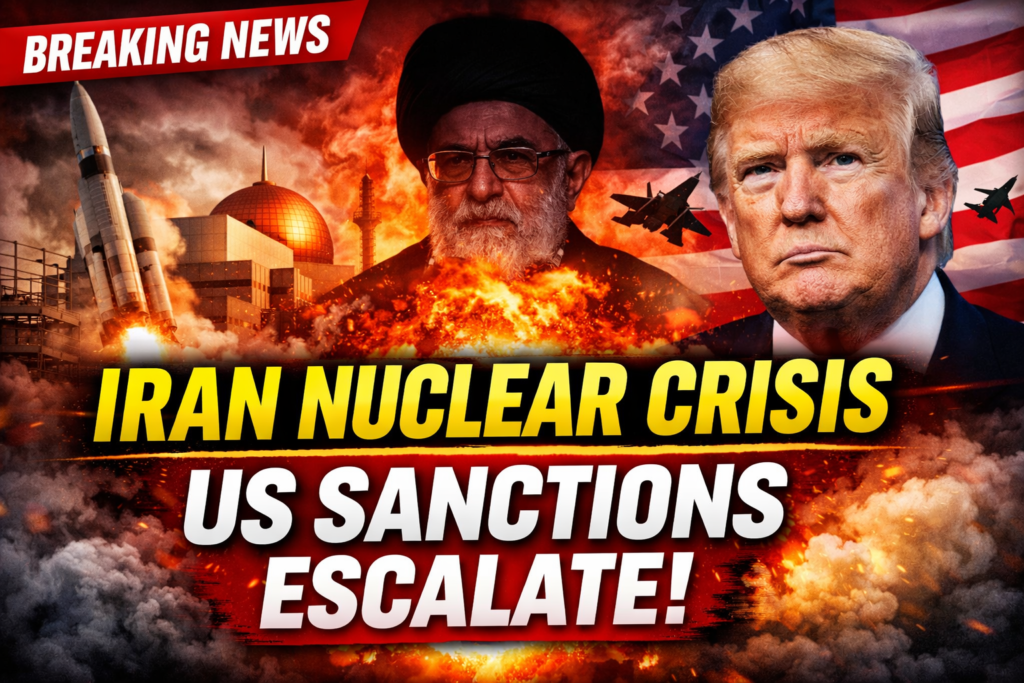
The Iran nuclear program in 2026 has become the defining geopolitical crisis of the decade. What began as a diplomatic effort to revive a nuclear deal has transformed into a full-blown military confrontation, a historic naval blockade, and a fragile ceasefire that remains on the brink of collapse. For American readers trying to understand what is happening — and what it means — this is your comprehensive guide.
Here is the complete story: the sanctions, the strikes, the Strait of Hormuz, and what the United States wants from Iran.
Background: Why Is the Iran Nuclear Program Such a Big Deal?
Iran’s nuclear program has been at the center of international concern for over two decades. The core fear: that Iran is developing the capability to build a nuclear weapon. Iran has consistently denied this, but its actions — enriching uranium to near-weapons-grade levels, blocking international inspectors, and advancing its ballistic missile program — have kept the world on edge.
The original diplomatic solution was the Joint Comprehensive Plan of Action (JCPOA), signed in 2015 between Iran and six world powers including the United States. The deal required Iran to dramatically scale back its nuclear activities in exchange for sanctions relief. It worked — briefly. After the Trump administration withdrew from the JCPOA in 2018, Iran gradually abandoned its commitments, and by 2025, diplomacy had essentially collapsed.
Iran’s “breakout time” — the time needed to accumulate enough fissile material for one nuclear weapon — has been estimated by US officials at just a few weeks as of early 2026. The “weaponization” stage (building a deliverable warhead) would take longer, but the urgency is real.
Timeline: How the 2026 Iran Crisis Unfolded
President Trump wrote to Iran’s Supreme Leader Ali Khamenei demanding new nuclear negotiations. He warned of severe military consequences if Iran refused — and imposed additional sanctions with a pledge to reduce Iranian oil exports to zero.
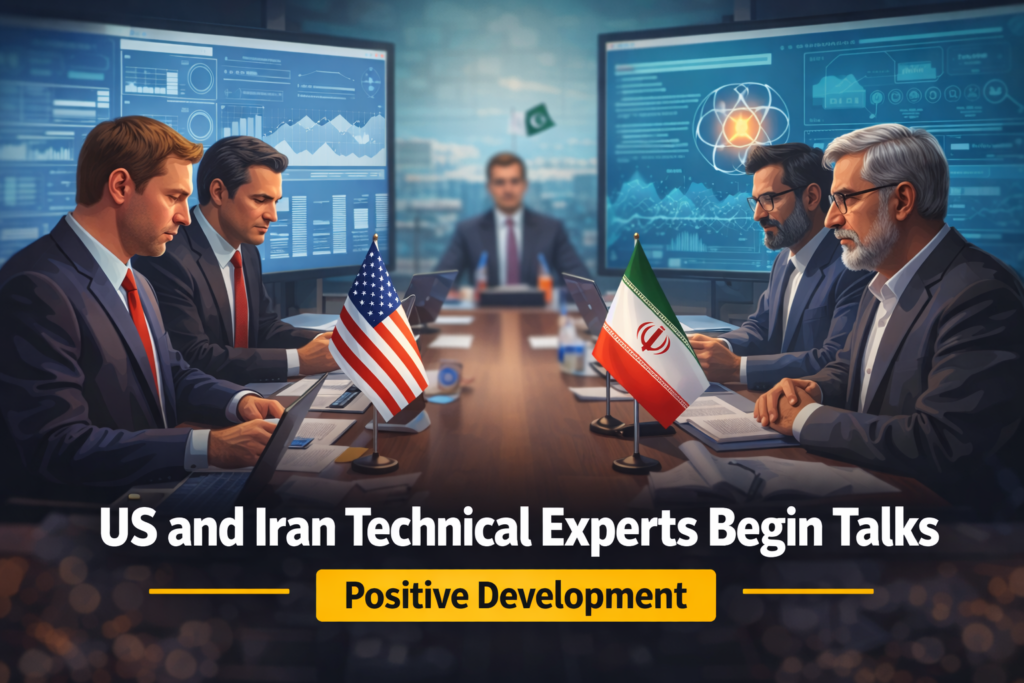
US and Iranian negotiators held multiple rounds of indirect talks in Oman and Rome. Both sides described early sessions as productive, but talks collapsed over Iran’s refusal to fully dismantle its enrichment program. Iran unveiled a new ballistic missile and threatened US bases.
Israel and the US conducted airstrikes on Iranian nuclear facilities during a 12-day conflict. The IAEA withdrew its inspectors from Iran after the strikes. The full extent of damage to Iran’s enrichment program remained unknown — IAEA inspectors were never allowed back in.
France, Germany, and the United Kingdom triggered the UN Security Council’s “snapback” mechanism, alleging Iran’s significant non-performance of the JCPOA. UN sanctions that had been lifted under the 2015 deal were automatically reimposed on September 27, 2025.
Iranian security forces suppressed massive nationwide protests — the largest since 1979 — with thousands of civilians killed. The US responded with targeted sanctions on Iranian officials responsible for the crackdown.
The United States and Israel launched coordinated airstrikes on Iran under “Operation Epic Fury,” targeting military installations, nuclear sites, and government leadership. Supreme Leader Ali Khamenei was killed in the initial strikes. Iran responded with massive missile and drone attacks across the Middle East and closed the Strait of Hormuz.
US and Israeli strikes reportedly destroyed the Supreme National Security Council headquarters in Tehran and what officials described as an underground nuclear weapons facility. Iran’s closure of the Strait of Hormuz cut off roughly 20% of global oil supply, sending oil prices surging past $100 per barrel.
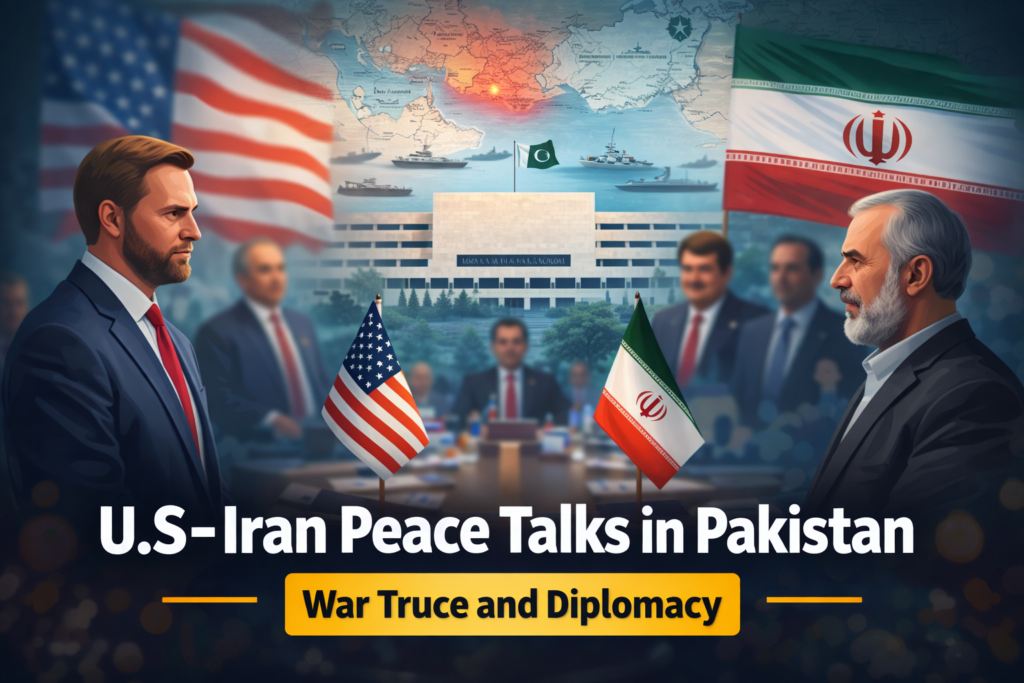
After more than five weeks of fighting and failed talks in Pakistan, the US and Iran agreed to a two-week ceasefire that included Israel. Iran briefly announced the Strait of Hormuz would reopen — but the US naval blockade of Iranian ports remained in force, and the Strait was closed again within days.
After Islamabad peace talks collapsed, President Trump announced a US naval blockade of Iran, stopping ships entering or leaving Iranian ports. The US military stated the blockade had completely halted Iran’s sea trade. Iran warned it would close the Persian Gulf, Sea of Oman, and Red Sea in response.
As of today, the US naval blockade remains active. Iran reasserted control of the Strait of Hormuz after Trump refused to lift the blockade despite Iran’s partial ceasefire offer. Negotiations are ongoing, with the ceasefire set to expire imminently. The status of Iran’s nuclear program remains unclear — IAEA inspectors still cannot access key facilities.
US Sanctions on Iran in 2026: A Comprehensive Overview
Alongside military action, the United States has maintained and significantly escalated economic pressure on Iran through a continuous stream of targeted sanctions. Here is a summary of major US sanctions actions in 2025–2026:
“The sanctions will remain in place as long as Iran chooses to pursue its destabilizing nuclear programme, refrain from granting unhindered access to IAEA inspectors, and not return to meaningful negotiations.”
— Latvia’s Representative to the UN Security Council, March 2026
What Is the Current Status of Iran’s Nuclear Program?
This is the most critical and most uncertain question. Here is what is known:
Enrichment & Stockpiles
Prior to the 2025 strikes, France warned the UN Security Council that Iran had stockpiled approximately 450 kilograms of highly enriched uranium — enough to produce several nuclear weapons. Iran’s enrichment facilities at Natanz and Fordow had been operating at high capacity.
Impact of Airstrikes — Unknown
US-Israeli airstrikes in June 2025 and again from February 2026 targeted enrichment facilities. However, the IAEA withdrew all inspectors from Iran in June 2025 and has not been permitted to return. The actual damage to Iran’s program is unknown. Much of Iran’s highly enriched uranium is believed to be stored at underground facilities in Isfahan, which may have survived strikes.
Breakout Time
US envoy Steve Witkoff stated in March 2026 that Iran’s nuclear breakout time — the time needed to accumulate enough fissile material for one bomb — is estimated at just a few weeks. This aligns with longstanding IAEA assessments. Building a deliverable warhead would take considerably longer.
As of April 2026, no independent inspectors have access to Iran’s nuclear sites. The United States, Israel, and the international community cannot verify whether Iran’s nuclear capabilities have been meaningfully degraded. This uncertainty is central to the ongoing standoff.
The Strait of Hormuz: Why It Matters to Every American
The Strait of Hormuz is a narrow waterway between Iran and Oman through which approximately 20% of the world’s oil supply normally flows. Iran’s decision to close the strait — and the subsequent US naval blockade — has had immediate consequences for Americans:
Oil prices above $100 per barrel. The disruption of Hormuz traffic cut global oil supply by roughly 10 million barrels per day, driving fuel prices sharply higher across the United States. Analysts warned prices could climb further if disruptions continued.
Global trade disruption. Beyond oil, the Hormuz closure — combined with continued tensions in the Red Sea — has rerouted shipping traffic globally, increasing costs for consumer goods across America and worldwide.
230 oil tankers stranded. As of early April 2026, approximately 230 loaded oil tankers were waiting inside the Persian Gulf, unable to transit the strait. The Abu Dhabi National Oil Company confirmed the strait was not functioning normally despite ceasefire announcements.
Iran’s foreign minister briefly announced the strait would reopen on April 17, causing oil prices to drop sharply. However, after President Trump confirmed the US naval blockade would remain, Iran reasserted control of the strait and shipping disruptions continued.
What Does the United States Want from Iran?
The US position, as outlined through various statements and proposals in 2025–2026, centers on several core demands:
Complete dismantlement of Iran’s nuclear enrichment program. Trump has demanded that Iran halt all uranium enrichment — a far more sweeping demand than the JCPOA, which allowed limited enrichment. Trump stated there will be “no enrichment of Uranium” and the US will help “dig up and remove” all deeply buried nuclear material.
Limits on Iran’s ballistic missile program. The US has demanded curtailment of Iran’s missile development, which it views as an existential threat to Israel and to US forces in the region.
End to support for regional armed groups. Washington has demanded that Iran stop arming and financing the Houthis, Hamas, Hezbollah, and other proxy forces across the Middle East.
Reopening of the Strait of Hormuz. Trump has made this a precondition for any broader deal, threatening further strikes on Iranian energy infrastructure if Iran did not reopen the strait by specific deadlines.
In exchange, the US has offered to lift primary and secondary sanctions and normalize relations — but only after Iran complies. Iran has rejected what it calls preconditions that amount to full surrender.
Frequently Asked Questions
The Bottom Line
The Iran nuclear program in 2026 has moved from a diplomatic problem to an active military and economic crisis with global consequences. The United States has deployed airstrikes, sweeping sanctions, and a naval blockade — all in pursuit of a single goal: preventing Iran from developing a nuclear weapon. Whether military pressure achieves what decades of diplomacy could not remains the defining question of the coming weeks and months.
The ceasefire is fragile. The blockade remains in force. Iran’s nuclear stockpile is unaccounted for. And the Strait of Hormuz — the world’s most important oil chokepoint — hangs in the balance. Americans have a direct stake in what happens next, from gas prices to global security. Stay informed.