
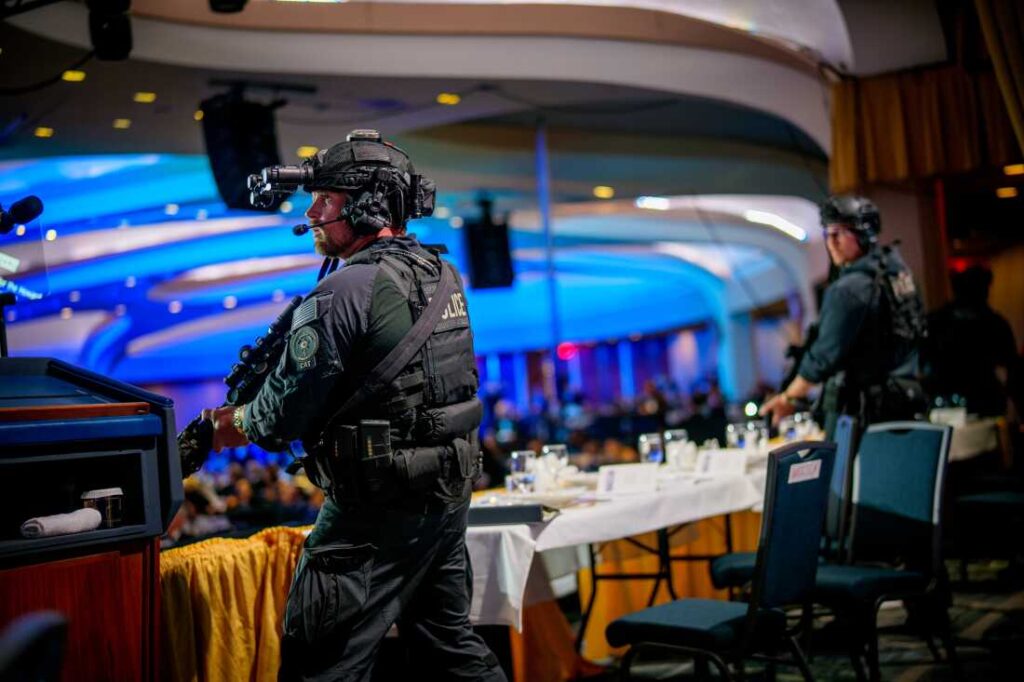
Saturday nights in Washington, D.C. are usually a mix of political theater and expensive cocktails. The White House Correspondents’ Dinner is the kind of event where journalists, celebrities, and government officials shake hands and pretend they do not spend the rest of the year at each other’s throats. This past Saturday, though, the night turned into something nobody was prepared for.
Gunshots rang out near the security screening area at the Washington Hilton. In the chaos that followed, Secret Service agents rushed President Trump and other senior officials out of the building. Guests dove under tables. Phones lit up. Within minutes, Washington was on edge in a way it has not been in years.
Who Is Cole Allen?
Law enforcement sources have identified the suspect as Cole Tomas Allen, a 31-year-old from Torrance, California. On paper, Allen seemed unremarkable — he worked as a teacher and an engineer, the kind of dual-career profile that says nothing and everything at once. But in the days before the shooting, according to investigators, Allen allegedly sent messages to family members stating he wanted to target administration officials.
That detail is the part that sticks. This was not a random act of desperation. It appears to have been deliberate, planned, and aimed at the people who run the country. Allen was arrested at the scene and now faces serious federal charges, including assault on a federal officer with a dangerous weapon.
What the Moment Felt Like Inside
NPR journalists who were inside described hiding under tables, scrambling to figure out what was happening, and trying to reach colleagues in the crowd. One moment it was a dinner, the next it was a lockdown. That kind of disorientation is worth sitting with because it tells you something about how quickly the ground can shift, even at one of the most secured private events in the country.
Top government officials were evacuated through service exits. The hotel went into lockdown. Outside, police vehicles surrounded the building within minutes.
The Bigger Question Nobody Wants to Ask
There is always a version of this story that gets told in the days that follow — a lone actor, a troubled background, a series of warning signs that were there in plain sight. What gets talked about less is why this kind of event, surrounded by layers of federal security, still feels vulnerable. The answer is uncomfortable: security is designed to stop weapons and large threats, not a determined individual willing to fire at a screening checkpoint.
The shooting has reignited conversations about political violence, the accessibility of weapons, and what it means to be a public official in America right now. Those conversations tend to burn hot for a week and then fade. Whether that happens again this time remains to be seen.
Where Things Stand Now
Cole Allen is in federal custody. The investigation is ongoing. Authorities are looking at his communications, his travel history, and anyone he may have been in contact with who shares his apparent views. No other suspects have been named.
The dinner itself, which was already underway when the shooting occurred, did not resume. Guests were eventually allowed to leave the building once the scene was secured. For many of the journalists, politicians, and their guests who were inside, it will be a night that takes a long time to forget.
What happens next in the legal process will unfold over months. But for Washington, the ripple effect of Saturday night is already being felt — in closed-door security reviews, in the way officials move through public spaces, and in a broader anxiety about what it means to show up at all.
This story is developing. Follow along as new details emerge from federal investigators and the legal proceedings against the suspect.