
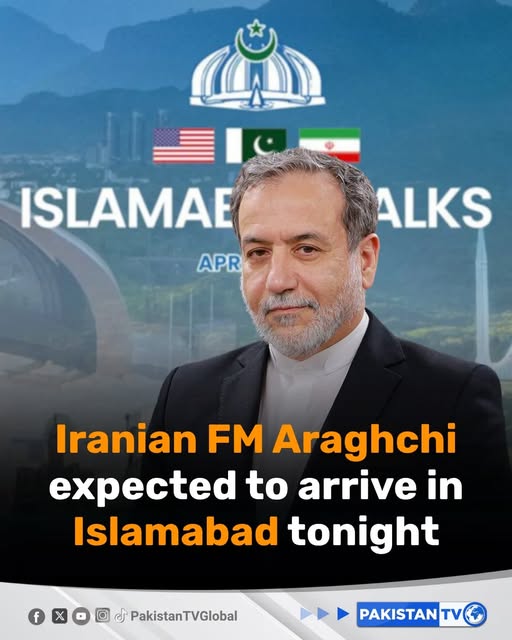
Iran Delegation Set to Arrive in Islamabad Tonight Amid High-Stakes Talks
A high-level Iranian delegation is expected to arrive in Islamabad late tonight, marking a critical moment in ongoing diplomatic efforts to ease tensions between the United States and Iran.
The visit comes at a time when global attention is fixed on whether a new round of negotiations can revive stalled peace efforts and prevent further escalation in the Middle East.
A senior Iranian delegation led by Foreign Minister Abbas Araghchi is expected to land in Islamabad late Friday night U.S. officials, including envoys, are already present in Pakistan to prepare for possible negotiations Islamabad remains under tight security lockdown ahead of the high-profile visit Direct U.S.-Iran talks are still uncertain, with initial meetings likely focused on Pakistan-Iran discussions
🌍 Why Islamabad Is Hosting These Talks
Pakistan has emerged as a neutral diplomatic hub between Washington and Tehran.
Pakistan’s role includes:
- Acting as a mediator between both countries
- Providing a secure and controlled environment
- Relaying messages between U.S. and Iranian officials
This follows earlier rounds of negotiations held in the same city, which showed progress but ultimately failed to produce a final agreement.
⚖️ What’s on the Agenda?
While details remain limited, key issues expected to dominate discussions include:
1. Ceasefire Stability
The current ceasefire remains fragile, with both sides accusing each other of violations.
2. Iran’s Nuclear Program
The U.S. continues to demand strict limitations, while Iran seeks recognition of its civilian nuclear rights.
3. Sanctions Relief
Iran is pushing for immediate economic relief, while Washington prefers a phased approach.
4. Oil Routes & Global Markets
Stability in the Strait of Hormuz is critical, as disruptions could impact global oil supply and U.S. gas prices.
⚠️ Uncertainty Over Direct U.S.–Iran Talks
Despite the delegation’s arrival, reports suggest that direct talks between the U.S. and Iran may not happen immediately.
Instead:
- Iran will first engage with Pakistani officials
- Pakistan may act as an intermediary
- Direct negotiations could follow if conditions improve
This highlights ongoing mistrust and the complexity of diplomatic efforts.
🇺🇸 What This Means for Americans
⛽ Gas Prices
Any instability in Middle East oil routes can lead to higher fuel costs in the United States.
🛡️ National Security
Iran’s nuclear ambitions and regional influence remain key concerns for U.S. policymakers.
📉 Economic Impact
Markets react quickly to geopolitical uncertainty, affecting inflation and investment trends.
🔮 What Happens Next?
The arrival of the Iranian delegation could lead to:
- A breakthrough toward renewed U.S.-Iran negotiations
- Continued indirect talks through Pakistan
- Or further delays if disagreements persist
With both sides holding firm positions, the outcome remains uncertain—but the stakes are extremely high.
📌 Final Thoughts
The Iranian delegation’s arrival in Islamabad signals a critical window for diplomacy.
While a final deal is far from guaranteed, these talks represent one of the few remaining opportunities to prevent further escalation and stabilize a volatile region.
For the United States, the outcome could influence everything from foreign policy to gas prices and global leadership.
❓ FAQ Section
1. Why is the Iranian delegation visiting Islamabad?
The delegation is visiting Pakistan to hold discussions that could pave the way for renewed U.S.-Iran peace talks.
2. Will the U.S. and Iran meet directly?
Not immediately. Initial discussions may happen through Pakistan as a mediator.
3. Who is leading the Iranian delegation?
Iran’s Foreign Minister Abbas Araghchi is expected to lead the delegation.
4. Why are these talks important for the U.S.?
They could impact national security, oil prices, and U.S. involvement in Middle East conflicts.
5. What happens if talks fail?
Failure could lead to renewed tensions, possible military escalation, and global economic impact.