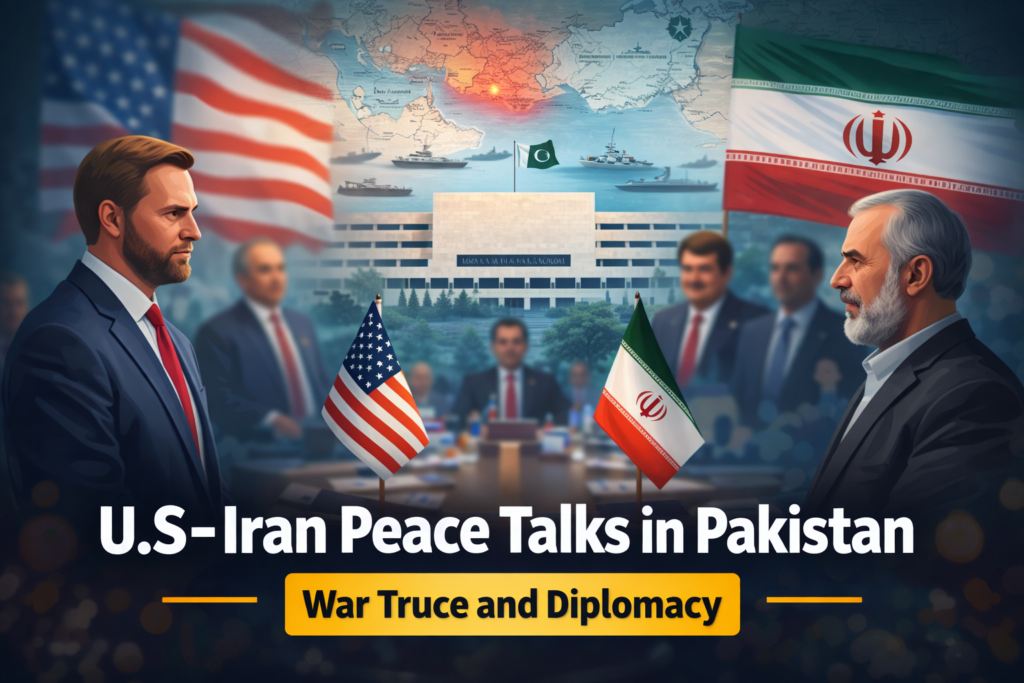
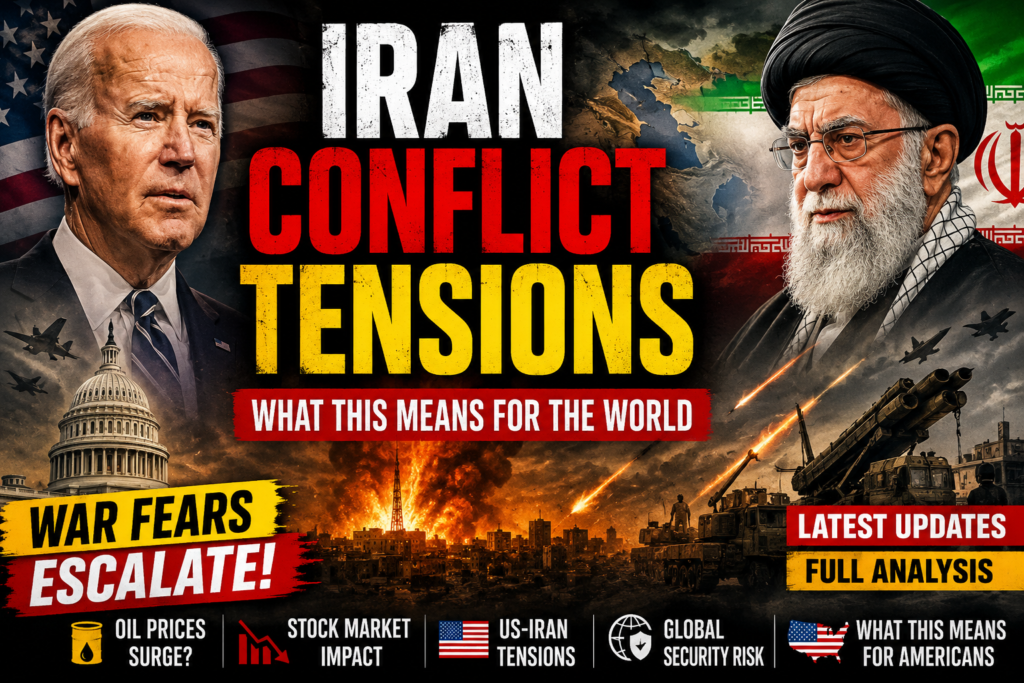
The world is once again staring at the Middle East with growing anxiety.
Rising tensions involving Iran, the United States, Israel, and several regional powers are creating fears of a larger geopolitical crisis that could impact everything from oil prices and inflation to global security and stock markets.
In 2026, the Iran conflict is no longer just a regional issue.
It has become a global concern.
Military threats, cyber warfare, sanctions, nuclear negotiations, proxy battles, and naval tensions are all colliding at the same time.As headlines continue dominating search trends and social media, millions of Americans are asking a critical question:
Could the Iran conflict spiral into something much bigger?
The answer may shape the future of global politics and the world economy for years to come.
Why Iran Is at the Center of Global Tensions
Iran has remained one of the most strategically important countries in the Middle East for decades.
Its location alone makes it globally significant.
Iran sits near critical oil shipping routes, including the Strait of Hormuz, through which a major percentage of the world’s oil supply passes every day.
That means even small military escalations involving Iran can immediately affect:
- Oil prices
- Global shipping
- Inflation
- Financial markets
- Energy security
But geography is only part of the story.
Iran also plays a major role in:
- Regional military alliances
- Proxy conflicts
- Nuclear negotiations
- Global energy markets
- Cybersecurity threats
Over the years, tensions between Iran and the West have intensified over sanctions, military operations, and nuclear development concerns.
Now, in 2026, those tensions are reaching another dangerous phase.
The Nuclear Issue Remains the Biggest Concern
One of the most explosive aspects of the Iran conflict is the country’s nuclear program.
Western governments, particularly the United States and Israel, remain deeply concerned about Iran’s uranium enrichment activities.
Iran insists its nuclear program is peaceful and designed for civilian energy purposes.However, critics argue that increased enrichment levels could shorten the timeline for potential weapons capability.
This disagreement has fueled years of:
- Economic sanctions
- Diplomatic standoffs
- Intelligence operations
- Military threats
The collapse of previous nuclear agreements created even more uncertainty.
Now, every development involving Iran’s nuclear facilities immediately becomes international breaking news because the consequences could be enormous.
If diplomacy fails completely, fears of military confrontation may rise sharply.
Why Israel Is Taking the Situation Seriously
Israel sees Iran as one of its biggest national security threats.
Israeli officials have repeatedly warned they will not allow Iran to develop nuclear weapons capability.
This has created years of covert conflict involving:
- Cyberattacks
- Intelligence operations
- Regional proxy battles
- Military preparations
Analysts believe the risk of direct confrontation between Israel and Iran is now higher than it has been in years.
If military escalation occurs:
- Oil markets could panic
- Global shipping routes may be disrupted
- Financial markets could fall sharply
- International alliances might shift rapidly
That’s why every new headline about Iran-Israel tensions attracts massive global attention.
How the United States Is Involved
The United States remains heavily involved in Middle East security.
American military forces continue operating across the region to protect:
- Strategic allies
- Energy routes
- Military bases
- International trade stability
Washington also maintains sanctions against Iran and continues monitoring nuclear developments closely.
At the same time, U.S.leaders are trying to avoid another large-scale Middle East war after years of costly conflicts in the region.
This creates a difficult balancing act:
- Prevent escalation
- Protect allies
- Maintain global stability
- Avoid direct war
For American policymakers, every move involving Iran carries major consequences domestically and internationally.
Why Oil Prices Could Surge Overnight
One reason the Iran conflict matters so much globally is energy.
Iran sits near one of the world’s most important oil chokepoints:
the Strait of Hormuz.
Roughly one-fifth of the world’s oil supply moves through this narrow waterway.
If conflict disrupts shipping there:
- Oil prices could spike dramatically
- Gasoline costs may rise in the U.S.
- Global inflation could worsen
- Airline and transportation industries would suffer
Even rumors of military escalation often cause immediate reactions in oil markets.
For ordinary Americans, that could mean:
- Higher gas station prices
- Increased grocery costs
- More expensive flights
- Higher shipping fees
This is why Wall Street watches Middle East tensions extremely closely.
The Stock Market Reacts Fast to Iran News
Global investors dislike uncertainty.
Whenever tensions involving Iran rise:
- Energy stocks often surge
- Airline stocks may fall
- Defense companies gain attention
- Markets become volatile
In recent years, even limited military incidents involving Iran triggered sharp short-term market reactions.
Investors fear:
- Oil supply disruptions
- Cyberattacks
- Regional instability
- Broader military escalation
Because the global economy is deeply interconnected, instability in one region can rapidly affect international markets.
China and Russia Are Watching Closely
The Iran conflict is also connected to the broader global power struggle involving China and Russia.
Both countries maintain important relationships with Iran.
China depends heavily on Middle Eastern energy imports and has increased economic cooperation with Tehran in recent years.
Russia also cooperates strategically with Iran across several geopolitical areas.
This creates a larger international challenge for Washington because the United States is simultaneously managing:
- Competition with China
- Tensions with Russia
- Middle East instability
These overlapping geopolitical rivalries are reshaping the global balance of power.
What the Iran Conflict Means for the Global Economy
The economic impact of prolonged tensions could be massive.
Potential consequences include:
- Higher energy prices
- Slower economic growth
- Inflation pressure
- Supply chain disruptions
- Reduced investor confidence
Global businesses are especially concerned about:
- Shipping routes
- Manufacturing costs
- Commodity prices
- Market instability
If conflict escalates significantly, the world economy could experience another major shock similar to previous global crises.
Could Cyber Warfare Become the Next Battlefield?
Modern conflicts are no longer fought only with missiles and tanks.
Cyber warfare has become one of the most dangerous aspects of geopolitical tensions.
Iran has previously been linked to cyber operations targeting:
- Infrastructure
- Government systems
- Businesses
- Financial institutions
Experts warn that future escalation may involve:
- Banking disruptions
- Energy grid attacks
- Internet infrastructure threats
- Cyber espionage
For Americans, cyber conflict could impact daily life more directly than traditional warfare.
The Taiwan and China Connection
Some geopolitical analysts believe the Iran crisis could indirectly affect the broader global situation involving Taiwan and U.S.-China relations.
Why?
Because the United States is already heavily focused on:
- Taiwan security
- China competition
- AI leadership
- Indo-Pacific military strategy
If Middle East tensions intensify, Washington may face pressure managing multiple geopolitical crises simultaneously.
That could influence:
- Military resource allocation
- Diplomatic priorities
- Economic strategy
- International alliances
China may also watch how the U.S.responds to Iran tensions while calculating its own regional strategies.
AI and Military Technology Are Changing Modern Conflict
Artificial intelligence is rapidly transforming military strategy worldwide.
The Iran conflict now exists in an era where:
- AI surveillance systems
- Drone warfare
- Autonomous weapons
- Cyber intelligence
- Satellite monitoring
all play increasingly important roles.
Countries are investing billions into military technology development.
The United States continues leading global AI innovation through companies like:
Meanwhile, rivals are also expanding technological capabilities rapidly.
Future conflicts may rely as much on technology dominance as traditional military power.
How Americans Could Feel the Impact Directly
Many Americans assume foreign conflicts remain distant from everyday life.
But global tensions increasingly affect domestic economic reality.
The Iran conflict could impact:
- Gas prices
- Inflation
- Stock market retirement accounts
- Airline costs
- Consumer product prices
- National security concerns
If oil prices rise sharply:
- Transportation costs increase
- Businesses raise prices
- Inflation pressures worsen
This is why geopolitical instability often becomes an economic issue at home very quickly.
Why the Middle East Still Matters So Much
Some people question why the Middle East continues dominating international politics after decades of conflict.
The answer is simple:
The region remains critically important because of:
- Energy resources
- Strategic shipping routes
- Military alliances
- Religious influence
- Global trade
Any instability involving Iran affects the broader balance of power across the Middle East.
That’s why international governments continue monitoring developments intensely.
Future Scenarios: What Could Happen Next?
Several possible outcomes remain on the table in 2026.
Scenario 1: Diplomatic De-escalation
Negotiations may reduce tensions temporarily through:
- Nuclear agreements
- Sanctions relief
- Security cooperation
This would likely calm markets.
Scenario 2: Continued Proxy Conflict
Regional tensions may continue without direct large-scale war.
This is currently viewed as one of the more likely outcomes.
Scenario 3: Direct Military Escalation
If diplomacy fails completely:
- Military strikes could occur
- Oil prices may surge
- Markets could panic
- Global security fears would rise sharply
This is the scenario global leaders hope to avoid.
Why This Topic Is Dominating Search Trends
Iran conflict tensions combine nearly every topic that drives massive online engagement:
- War fears
- Oil prices
- Nuclear threats
- Global politics
- Economic uncertainty
- Military strategy
That combination naturally creates enormous traffic across:
- Google Search
- Google Discover
- YouTube
- X/Twitter
- Financial media
People understand the stakes could affect the entire world.
Final Thoughts
The Iran conflict tensions of 2026 represent far more than another regional dispute.
They sit at the intersection of:
- Global energy security
- International diplomacy
- Nuclear concerns
- Economic stability
- Military strategy
- Technology competition
The coming months could determine whether the world moves toward:
- Diplomacy and stability
or - Greater geopolitical confrontation
For Americans, the consequences are real and immediate.
From gas station prices to stock market performance, global tensions increasingly shape everyday economic life.
As the world watches Iran, the Middle East once again stands at the center of international politics . and the outcome could influence global stability for years to come.
FAQs
Why is Iran important globally?
Iran’s location, energy resources, and geopolitical influence make it one of the most strategically important countries in the world.
Could the Iran conflict raise gas prices in America?
Yes.Any disruption to Middle East oil supplies can quickly impact global oil and gasoline prices.
Why is Israel concerned about Iran?
Israel views Iran’s nuclear program and regional influence as major national security threats.
Could the conflict affect the stock market?
Absolutely.Geopolitical instability often creates market volatility, especially in energy and defense sectors.
What role do China and Russia play?
Both countries maintain strategic and economic relationships with Iran and closely monitor regional developments.
Is a larger war possible?
While diplomacy continues, experts warn that escalating tensions always carry the risk of broader military confrontation.