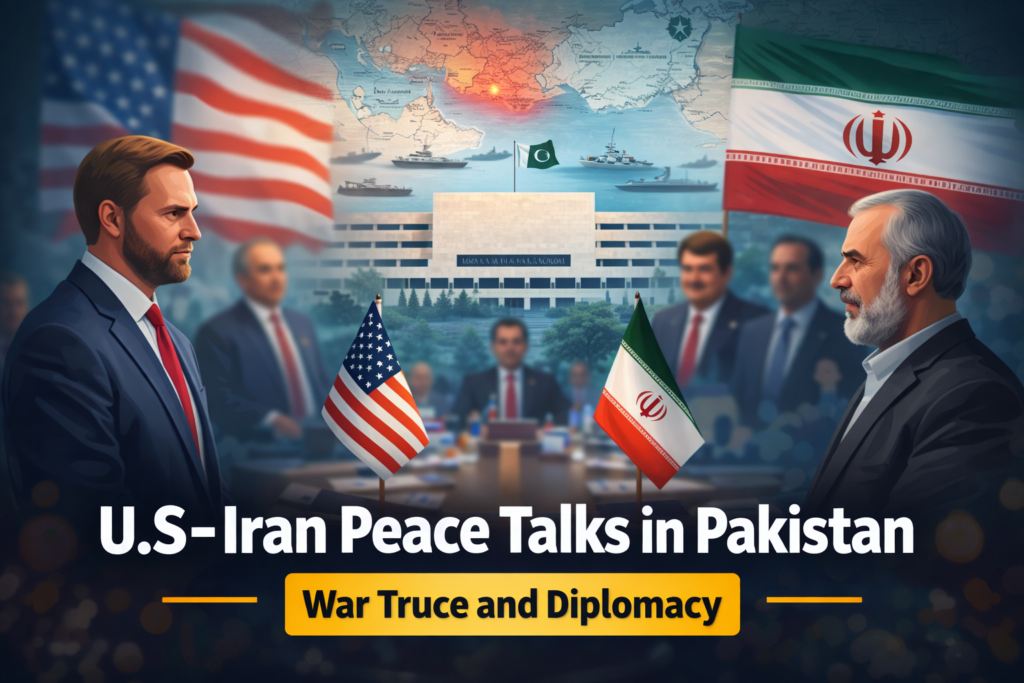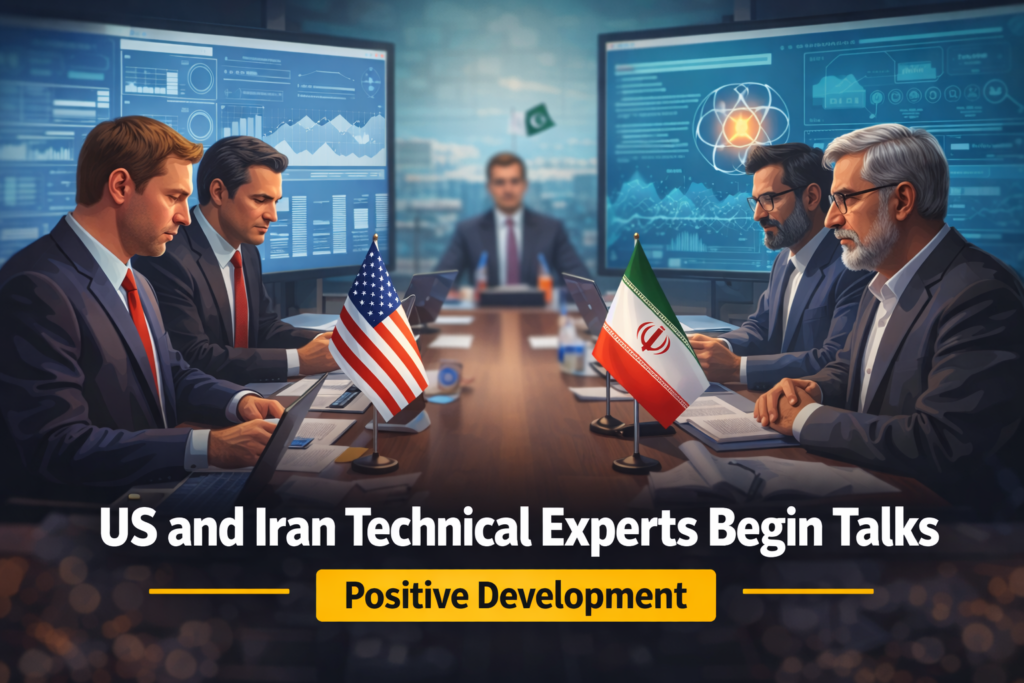
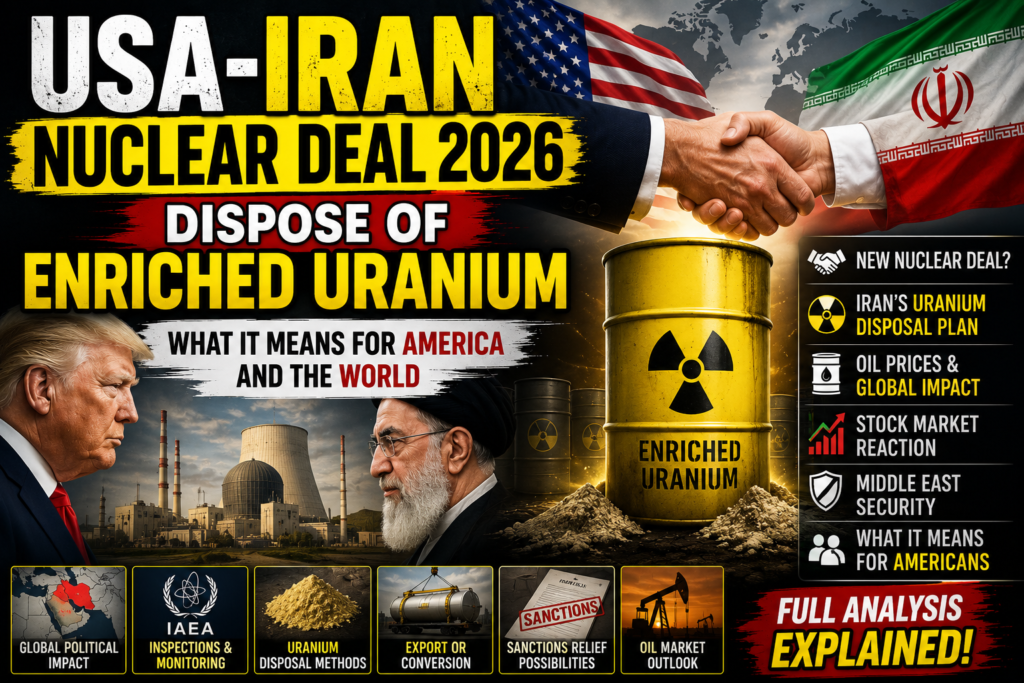
The possibility of a new nuclear agreement between the United States and Iran is once again dominating global headlines.
But this time, one issue is creating the biggest debate of all:
What will happen to Iran’s enriched uranium stockpile?
That single question could determine whether the Middle East moves toward peace, economic stability, and diplomacy.or slides deeper into conflict, sanctions, and military tension.
In 2026, negotiations surrounding Iran’s nuclear activities have become one of the most important geopolitical stories in the world.American officials, Israeli intelligence agencies, European diplomats, oil traders, and global investors are all watching every development carefully.
Why?
Because the outcome could reshape:
- Global oil prices
- U.S.foreign policy
- Middle East security
- International trade
- Stock markets
- Energy costs for ordinary Americans
For years, Iran’s nuclear ambitions have remained one of the most controversial issues in international politics.Western countries fear Iran could eventually develop nuclear weapons capability, while Iran insists its nuclear program is intended for peaceful energy purposes.
Now, discussions about disposing of or reducing highly enriched uranium are becoming the center of negotiations.
And the stakes could not be higher.
What Is Enriched Uranium and Why Does It Matter?
To understand the deal, Americans first need to understand why enriched uranium is so important.
Uranium is a naturally occurring element used for nuclear energy.However, when uranium is enriched to higher purity levels, it can potentially be used in nuclear weapons.
Low-enriched uranium is commonly used in:
- Nuclear power plants
- Scientific research
- Medical technologies
But highly enriched uranium creates international concern because it could theoretically shorten the timeline for producing a nuclear bomb.
This is why global powers are pressuring Iran to:
- Reduce uranium enrichment levels
- Export or dispose of excess uranium
- Allow international inspections
- Limit nuclear development activities
The central goal of any new nuclear agreement is preventing nuclear weapons proliferation while avoiding military conflict.
Why the USA-Iran Nuclear Deal Is Back in the Spotlight
The nuclear issue never truly disappeared after the collapse of earlier agreements.
Tensions increased dramatically after the United States withdrew from the previous Iran nuclear deal years ago.Following that decision:
- Sanctions intensified
- Iran expanded uranium enrichment
- Regional tensions escalated
- Oil markets became unstable
Since then, both sides have struggled to rebuild trust.
Now, new diplomatic efforts are reportedly exploring whether a revised agreement could reduce tensions before the situation becomes more dangerous.
Several factors are driving urgency in 2026:
- Rising Middle East instability
- Global energy concerns
- Increasing military risks
- Economic pressure on Iran
- International fears of escalation
For Washington, avoiding another major Middle East conflict has become strategically important.
For Iran, sanctions relief could significantly improve its struggling economy.
The Main Debate: What Happens to Iran’s Enriched Uranium?
This is the most sensitive issue in the entire negotiation process.
The United States and its allies reportedly want Iran to:
- Reduce uranium enrichment levels
- Transfer excess enriched uranium abroad
- Convert uranium into less dangerous forms
- Increase transparency with international inspectors
Several possible disposal methods are being discussed internationally.
1.Exporting Uranium to Another Country
One possible option involves transferring excess enriched uranium to another nation for storage or processing.
This approach was used in earlier nuclear agreements and is considered one of the fastest ways to reduce immediate nuclear concerns.
2.Diluting the Uranium
Iran could convert highly enriched uranium into lower-grade material unsuitable for weapons development.
This would allow Iran to maintain peaceful nuclear energy operations while reducing international fears.
3.International Monitoring
Global agencies may increase inspections of Iranian nuclear facilities to ensure compliance.
The International Atomic Energy Agency would likely play a central role in monitoring any agreement.
Why Israel Is Extremely Concerned
Israel remains one of the strongest opponents of Iran’s nuclear ambitions.
Israeli leaders have repeatedly warned that they view a nuclear-capable Iran as a direct national security threat.
For years, Israeli intelligence agencies monitored Iranian nuclear developments closely.Tensions between the two countries have increased dramatically across:
- Cyber warfare
- Regional proxy conflicts
- Military operations
- Intelligence activities
If negotiations fail, fears of military confrontation could grow significantly.
That possibility is one reason global markets react strongly whenever nuclear talks make headlines.
How This Could Impact Oil Prices Worldwide
One of the biggest economic consequences of the nuclear deal involves energy markets.
Iran possesses some of the world’s largest oil and gas reserves.
If sanctions are eased:
- Iranian oil exports could increase
- Global supply may rise
- Oil prices could stabilize
If talks collapse:
- Regional tensions may worsen
- Oil prices could surge
- Global inflation risks may rise again
For ordinary Americans, this matters directly.
Oil prices affect:
- Gasoline costs
- Airline tickets
- Shipping prices
- Grocery transportation expenses
- Inflation
Even rumors surrounding negotiations often cause immediate movement in global energy markets.
Why Wall Street and Investors Are Watching Closely
Financial markets closely follow geopolitical risk.
A successful nuclear agreement could:
- Improve investor confidence
- Stabilize oil markets
- Reduce fears of military escalation
- Support global economic growth
But failed negotiations could trigger:
- Stock market volatility
- Energy price spikes
- Defense sector surges
- Increased economic uncertainty
Industries particularly sensitive to the deal include:
- Oil and gas
- Defense companies
- Airlines
- Manufacturing
- Global shipping
Investors understand that Middle East stability directly impacts the world economy.
How China and Russia Fit Into the Situation
The Iran nuclear issue is not only about America and Iran.
Major global powers like China and Russia are also deeply involved diplomatically and economically.
China has strengthened economic ties with Iran in recent years, particularly in:
- Energy imports
- Infrastructure projects
- Trade partnerships
Russia also maintains strategic cooperation with Tehran across several areas.
This creates a broader geopolitical challenge for Washington.
The United States is simultaneously trying to:
- Compete with China globally
- Manage tensions with Russia
- Prevent nuclear escalation in the Middle East
These overlapping conflicts make diplomacy extremely complicated.
Could the Nuclear Deal Reduce the Risk of War?
One major reason many diplomats support negotiations is the fear of military escalation.
Without a deal:
- Nuclear tensions may increase
- Regional conflicts could expand
- Military strikes become more likely
A direct conflict involving Iran could destabilize the entire Middle East.
Potential consequences include:
- Oil supply disruptions
- Shipping route threats
- Global inflation spikes
- Wider military confrontation
That is why many international leaders continue pushing for diplomatic solutions despite years of mistrust.
What This Means for Americans
Some Americans may wonder why events thousands of miles away matter so much domestically.
The reality is simple:
Global geopolitics directly affect everyday American life.
The outcome of the Iran nuclear negotiations could influence:
- Gas prices
- Inflation
- Stock markets
- Retirement accounts
- Energy bills
- National security
If oil prices surge again due to instability, Americans could feel financial pressure quickly.
If diplomacy succeeds and markets stabilize, consumers may benefit from reduced economic uncertainty.
This is why Washington policymakers closely monitor every stage of negotiations.
Iran’s Economic Situation Adds Pressure
Iran’s economy has faced years of challenges due to sanctions and international isolation.
Economic pressure has affected:
- Currency stability
- Employment
- Inflation
- Foreign investment
Sanctions relief could provide Iran with:
- Increased oil revenue
- Better international trade access
- Improved economic growth opportunities
That economic incentive is one reason analysts believe Tehran may remain open to negotiations despite political tensions.
The Role of Nuclear Inspections
A successful deal would almost certainly require strict inspections.
International inspectors would likely monitor:
- Uranium enrichment levels
- Nuclear facilities
- Storage locations
- Research activities
Transparency remains critical because trust between Iran and Western countries remains extremely fragile.
Without strong verification systems, any agreement could quickly lose credibility internationally.
Future Predictions: What Could Happen Next?
Several outcomes remain possible in 2026.
Scenario 1: A Limited Nuclear Agreement
Both sides could agree on:
- Reduced uranium enrichment
- Partial sanctions relief
- Increased inspections
This would likely calm markets temporarily.
Scenario 2: Negotiations Stall
Talks may continue without a final breakthrough.
This would maintain uncertainty but avoid immediate escalation.
Scenario 3: Talks Collapse Completely
If diplomacy fails:
- Tensions may intensify
- Sanctions could increase
- Military risks may rise sharply
This is the scenario global markets fear most.
Why This Topic Is Dominating Search Trends
The USA-Iran nuclear deal combines several high-interest topics:
- War fears
- Nuclear weapons
- Oil prices
- Global politics
- Economic uncertainty
- International diplomacy
These subjects naturally generate massive online traffic because people understand the global consequences could be enormous.
Search interest continues rising across:
- Google Trends
- YouTube
- Financial media
- Social platforms
- International news outlets
Could This Reshape the Middle East?
A successful nuclear agreement could improve regional stability temporarily.
It might reduce:
- Immediate military risks
- Economic pressure
- Diplomatic isolation
However, deeper tensions between regional powers would still remain unresolved.
The Middle East remains one of the world’s most strategically important regions because of:
- Energy production
- Shipping routes
- Military alliances
- Religious and political influence
Any change involving Iran impacts the broader regional balance.
Final Thoughts
The 2026 USA-Iran nuclear negotiations may become one of the most important geopolitical developments of the decade.
At the center of everything lies one critical issue:
Iran’s enriched uranium stockpile.
How the international community handles that issue could shape:
- Global security
- Oil markets
- Economic stability
- Middle East diplomacy
- America’s foreign policy strategy
For Americans, the consequences are not distant or abstract.
They could directly impact:
- Fuel prices
- Inflation
- Financial markets
- National security concerns
Whether diplomacy succeeds or tensions escalate, one thing is clear:
The entire world is watching these negotiations very closely.
As geopolitical uncertainty continues growing in 2026, the future of the Iran nuclear deal may influence global politics for years to come.
FAQs
What is enriched uranium?
Enriched uranium is uranium processed to increase the concentration of specific isotopes used for nuclear energy or potentially nuclear weapons.
Why is Iran’s uranium stockpile controversial?
Western countries fear highly enriched uranium could shorten the timeline for developing nuclear weapons capability.
Could the USA-Iran deal reduce oil prices?
Potentially yes.If sanctions ease and Iranian oil exports increase, global oil supply could rise and stabilize prices.
Why does Israel oppose Iran’s nuclear program?
Israel views a nuclear-capable Iran as a major national security threat.
How would failed negotiations affect Americans?
Failed talks could increase oil prices, inflation risks, and geopolitical instability affecting global markets.
What role does the IAEA play?
The International Atomic Energy Agency monitors nuclear programs and inspections to ensure compliance with international agreements.