Introduction
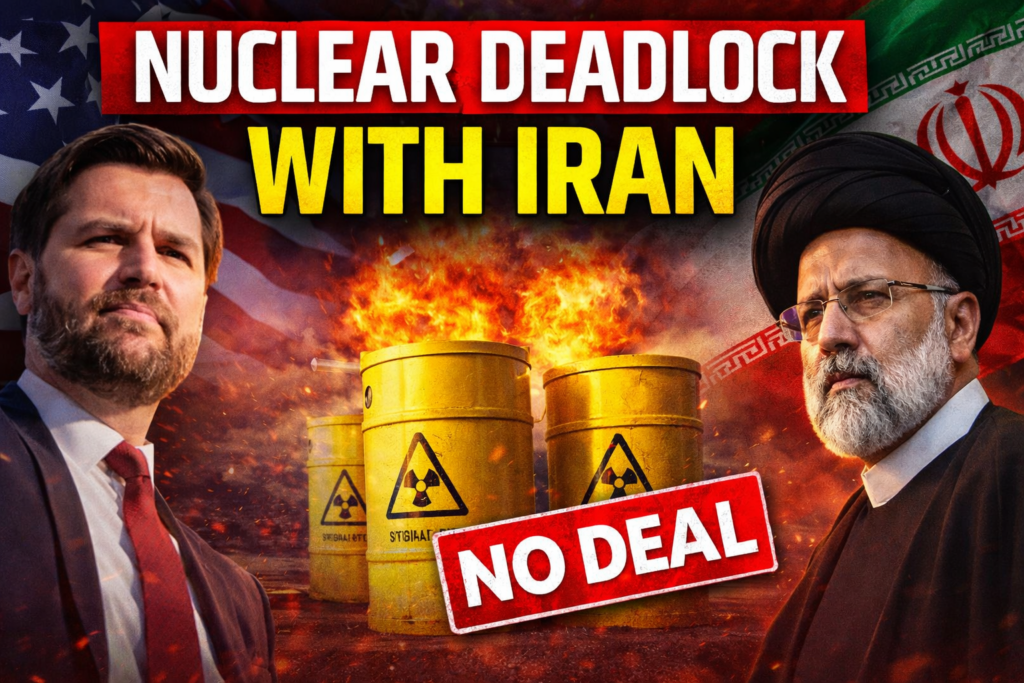
Tensions between the United States and Iran have escalated sharply after high-stakes negotiations ended in a complete deadlock. The core issue? Iran’s refusal to halt or dispose of its enriched uranium — a sticking point that continues to block any diplomatic breakthrough.
What Happened?
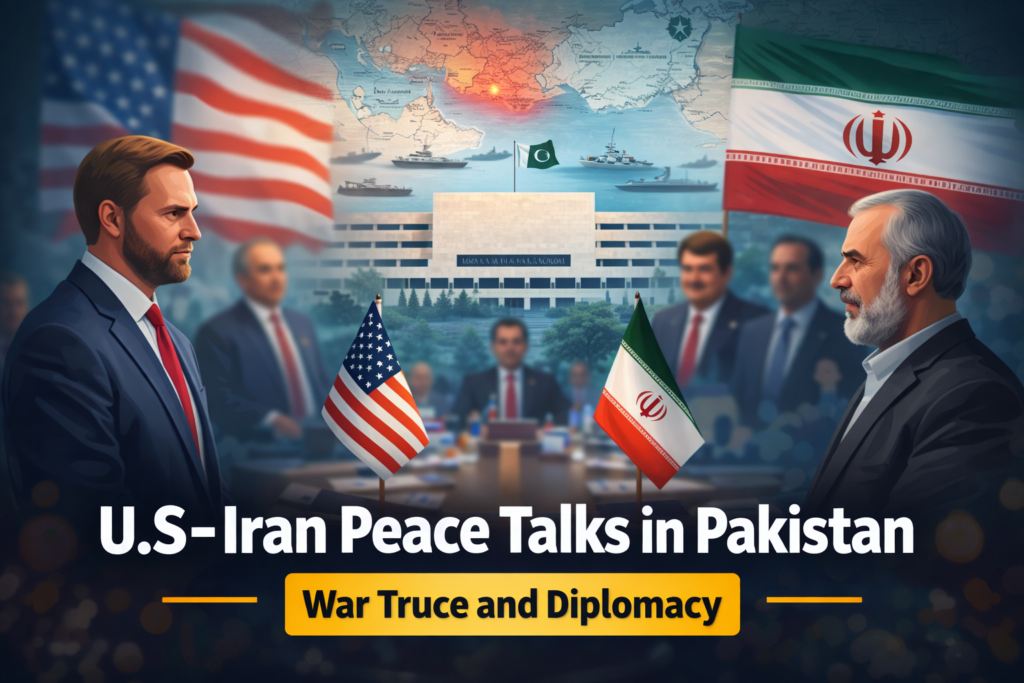
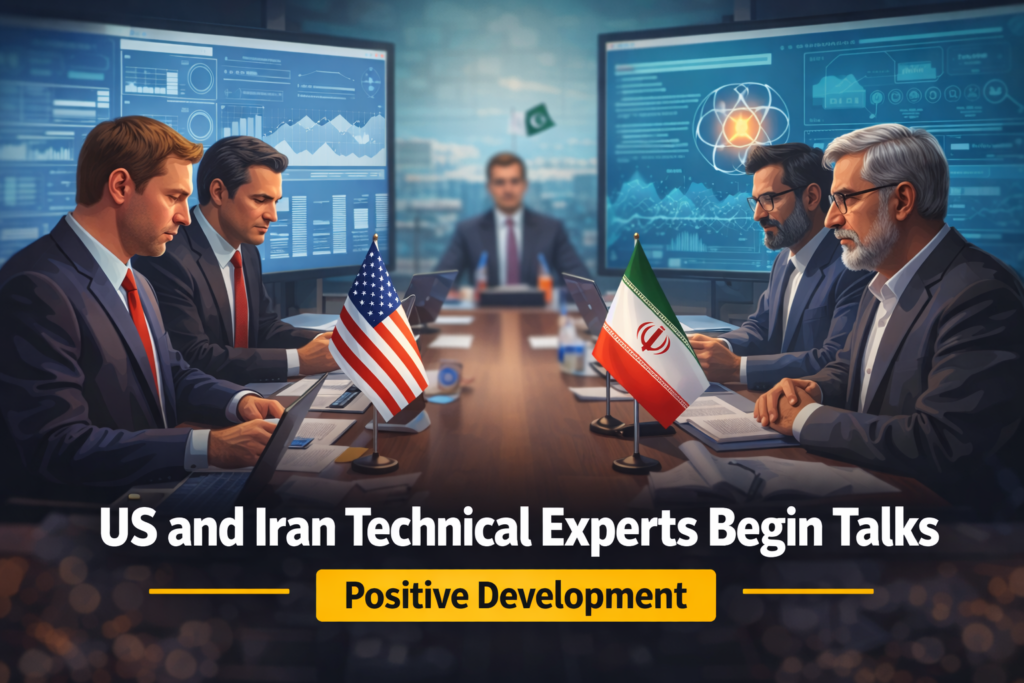
After more than 20 hours of intense negotiations in Pakistan, U.S. officials, including Vice President JD Vance, left without securing a deal. Both sides walked away with major disagreements unresolved, particularly on Iran’s nuclear program.
The U.S. demanded:
- A full halt to uranium enrichment
- Guarantees that Iran will not develop nuclear weapons
- Strong monitoring and restrictions
Iran, however, rejected these demands outright.
Iran’s Firm Position
Iran has made it clear:
👉 It will NOT give up uranium enrichment
👉 It refuses to dismantle its nuclear infrastructure
👉 It demands full sanctions relief in return for any concessions
Iranian officials have even called U.S. demands “unreasonable” and unrealistic.
Recent statements from Iran’s nuclear leadership confirm that limiting enrichment is “not going to happen,” reinforcing a hardline stance.
Why Uranium Is the Core Issue
At the center of this crisis is Iran’s highly enriched uranium stockpile, which:
- Is enriched up to 60% purity (close to weapons-grade)
- Remains partly unaccounted for by international inspectors
- Gives Iran significant leverage in negotiations
Reports suggest that much of this material is stored in underground facilities, making it difficult to monitor or eliminate.
The Global Deadlock
This situation has created a dangerous stalemate:
- The U.S. insists on “zero enrichment”
- Iran insists on sovereign nuclear rights
- International watchdogs cannot fully verify Iran’s activities
Experts warn that this inspection and compliance deadlock cannot continue indefinitely and could destabilize global nuclear agreements.
What Happens Next?
With diplomacy failing:
- The fragile ceasefire in the region is at risk
- Military tensions could rise again
- Future talks remain uncertain
Despite small areas of agreement, the gap between both sides remains too wide to close anytime soon.
Conclusion
The Iran nuclear issue has reached a critical turning point. As long as Iran refuses to dispose of or limit its uranium stockpile — and the U.S. refuses to compromise on enrichment — the world remains stuck in a high-stakes geopolitical deadlock.