Trump Pulls JD Vance from Iran Talks in Pakistan — What’s Behind the Decision?
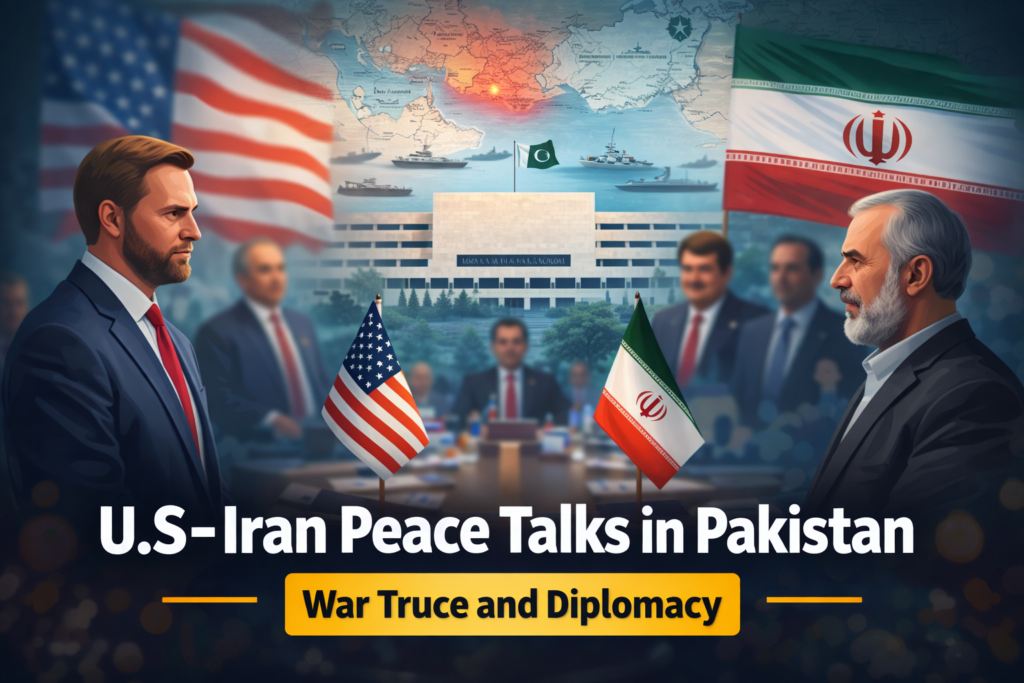
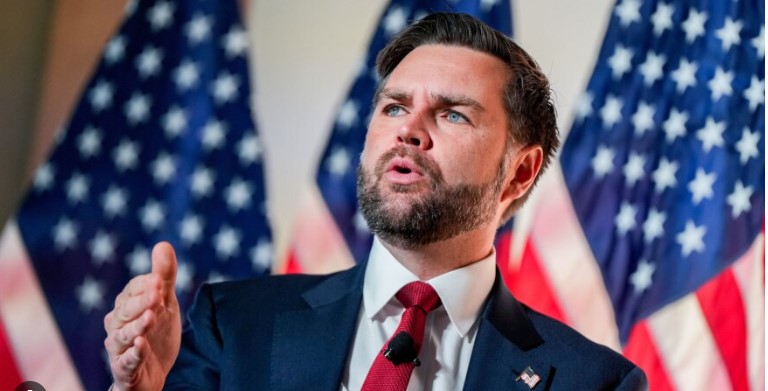
In a surprising shift in U.S. diplomatic strategy, President Donald Trump has announced that Vice President JD Vance will not lead the upcoming U.S. delegation to Pakistan for renewed talks with Iran, citing “security concerns.”
The decision comes at a critical moment, as tensions between the United States and Iran remain high, and fragile ceasefire negotiations hang in the balance.
🔍 What Did Trump Say?
According to emerging reports, Trump stated that Vance’s absence is “only because of security”, despite earlier expectations that he would spearhead negotiations in Islamabad.
This marks a notable reversal, as Vance had previously been positioned as a key negotiator in U.S.-Iran diplomacy and even led earlier rounds of talks in Pakistan.
🌍 Background: Why Pakistan Matters in U.S.-Iran Talks
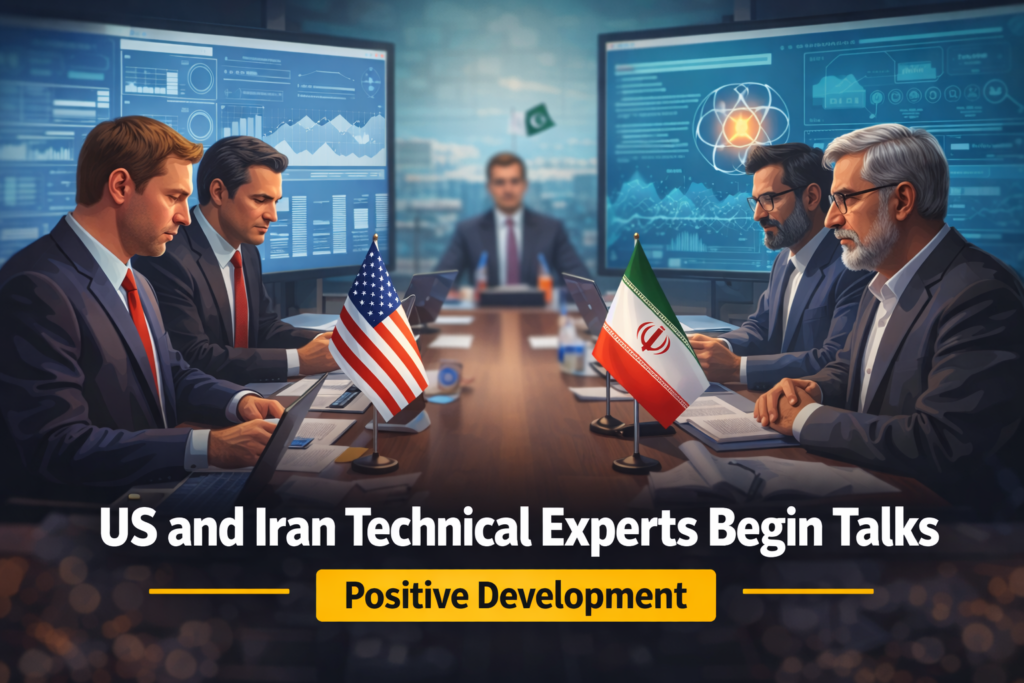
Pakistan has become a neutral diplomatic ground for negotiations between Washington and Tehran. The country has played a mediation role amid:
- Rising Middle East conflict
- Disputes over Iran’s nuclear program
- Control of the Strait of Hormuz
Recent talks have focused on extending a fragile ceasefire and preventing further escalation in a war that has already caused thousands of casualties and disrupted global oil markets.
⚠️ Security Concerns or Strategic Shift?
While Trump framed the move as a security precaution, analysts are questioning whether deeper political or strategic factors are at play.
Possible Reasons:
- Heightened security risks in Islamabad during high-level negotiations
- Internal disagreements within the U.S. administration
- Diplomatic recalibration after previous talks failed to produce results
Earlier negotiations led by Vance lasted over 21 hours but ended without a deal, largely due to disagreements over Iran’s nuclear ambitions.
🔄 Conflicting Reports Create Confusion
Interestingly, multiple outlets had earlier reported that Vance would lead the delegation to Pakistan.
This contradiction suggests:
- Rapidly changing plans inside the White House
- Possible last-minute intelligence or security updates
- Ongoing uncertainty surrounding the talks
🛢️ Why These Talks Matter to Americans
For U.S. readers, this isn’t just foreign policy—it directly impacts:
1. Gas Prices
Disruptions in the Strait of Hormuz affect global oil supply, which can drive up U.S. fuel prices.
2. National Security
Iran’s nuclear program remains a top concern for U.S. defense policy.
3. Global Stability
Escalation in the Middle East could draw the U.S. deeper into conflict.
🧭 What Happens Next?
Even without Vance, the U.S. is expected to proceed with a high-level delegation to Pakistan.
Key questions moving forward:
- Will Iran agree to attend the talks?
- Can a ceasefire be extended?
- Will tensions escalate if diplomacy fails?
President Trump has already warned of severe consequences if negotiations collapse, signaling a high-stakes outcome.
📌 Final Thoughts
The decision to sideline JD Vance underscores just how volatile and unpredictable U.S.-Iran relations have become.
Whether driven by genuine security risks or deeper strategic shifts, this move raises serious questions about the future of diplomacy, leadership, and global stability.
❓ FAQ Section
1. Why is JD Vance not attending the Iran talks in Pakistan?
President Trump stated that Vance will not attend due to “security concerns,” though specifics have not been publicly disclosed.
2. Where are the U.S.-Iran talks taking place?
The negotiations are being held in Pakistan, which is acting as a neutral mediator.
3. What are the talks about?
The discussions focus on:
- Iran’s nuclear program
- Regional tensions
- Control of the Strait of Hormuz
- Extending a ceasefire
4. Did JD Vance previously participate in talks?
Yes, Vance led earlier negotiations in Pakistan, but those talks ended without a final agreement.
5. How does this affect the United States?
The outcome could impact:
U.S. involvement in Middle East conflicts
Gas prices
National security