
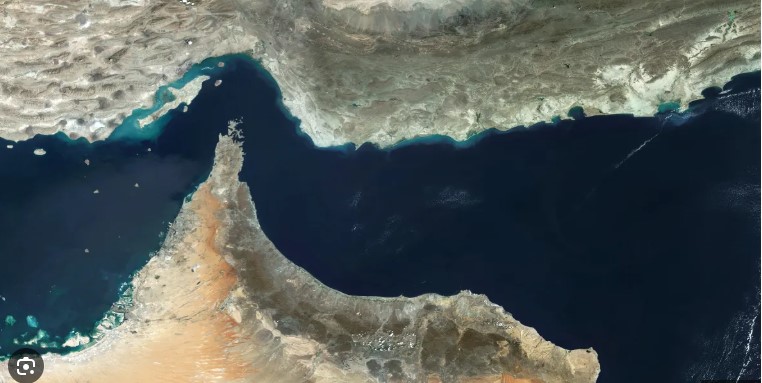
🚢 Current Status: Is the Strait of Hormuz Open?
As of the latest updates in 2026, the Strait of Hormuz remains OPEN, but under heightened tension and heavy military monitoring.
- Commercial ships are still passing through
- No official full closure has been declared
- However, security risks and regional tensions remain high
This means global trade is continuing—but under uncertainty.
📍 Where Is the Strait of Hormuz Located?
The Strait of Hormuz lies between:
- Iran (north)
- Oman & United Arab Emirates (south)
It connects the Persian Gulf to the Arabian Sea, making it a vital route for global energy supply.
🛢️ Why Is the Strait of Hormuz So Important?
Around 20% of the world’s oil supply passes through this narrow waterway every day.
Key Facts:
- Major oil exporters like Saudi Arabia, Iraq, and the UAE depend on it
- It is only about 21 miles wide at its narrowest point
- Even small disruptions can spike oil prices globally
For the U.S., any instability here directly affects gas prices and inflation.
⚠️ Why Are There Concerns About Closure?
Tensions involving Iran and the United States have raised fears that the Strait could be blocked.
Possible Reasons:
- Military conflict in the Middle East
- Sanctions and retaliation threats
- Naval confrontations
- Regional proxy conflicts
Iran has previously warned it could close the Strait in response to pressure—but has never fully done so.
📊 What Happens If the Strait Closes?
If the Strait of Hormuz were to shut down, the global impact would be massive:
🌎 Global Effects:
- Oil prices could surge above $150–$200 per barrel
- Gas prices in the U.S. would spike sharply
- Shipping delays and supply chain disruptions
- Economic instability worldwide
🇺🇸 Impact on the United States:
- Higher fuel costs
- Increased inflation
- Pressure on energy markets
🛡️ Military Presence & Security
To keep the route open, several countries maintain a strong presence:
- U.S. Navy patrols the region
- Allied forces monitor shipping lanes
- Naval escorts for oil tankers
This military activity helps ensure that the Strait stays operational.
🔮 Future Outlook (2026)
Experts believe:
- The Strait will likely remain open, but tensions will continue
- Any escalation could lead to temporary disruptions
- Diplomatic efforts will play a key role in stability
The situation remains highly sensitive and can change quickly.
📝 Final Thoughts
The Strait of Hormuz is currently open, but global attention remains fixed on it due to its importance in energy supply and geopolitics. For U.S. consumers and businesses, developments in this region can directly affect fuel prices, inflation, and economic stability.
Staying updated on this issue is crucial, as even minor events can have major global consequences.
❓ FAQ Section
1. Is the Strait of Hormuz currently open?
Yes, it is currently open, but under high security and tension.
2. Can Iran close the Strait of Hormuz?
Iran has threatened to close it in the past, but it has never fully shut it down.
3. Why is the Strait of Hormuz important?
It carries about 20% of the world’s oil supply, making it crucial for global energy.
4. How would closure affect the U.S.?
It would increase fuel prices, inflation, and economic pressure.
5. Is it safe for ships right now?
Yes, but with increased military monitoring and risk factors.