Trump’s Truth Social Posts Today, April 20, 2026: Iran Threats, Ship Seizure, Wednesday Deadline, and a Denial About Israel
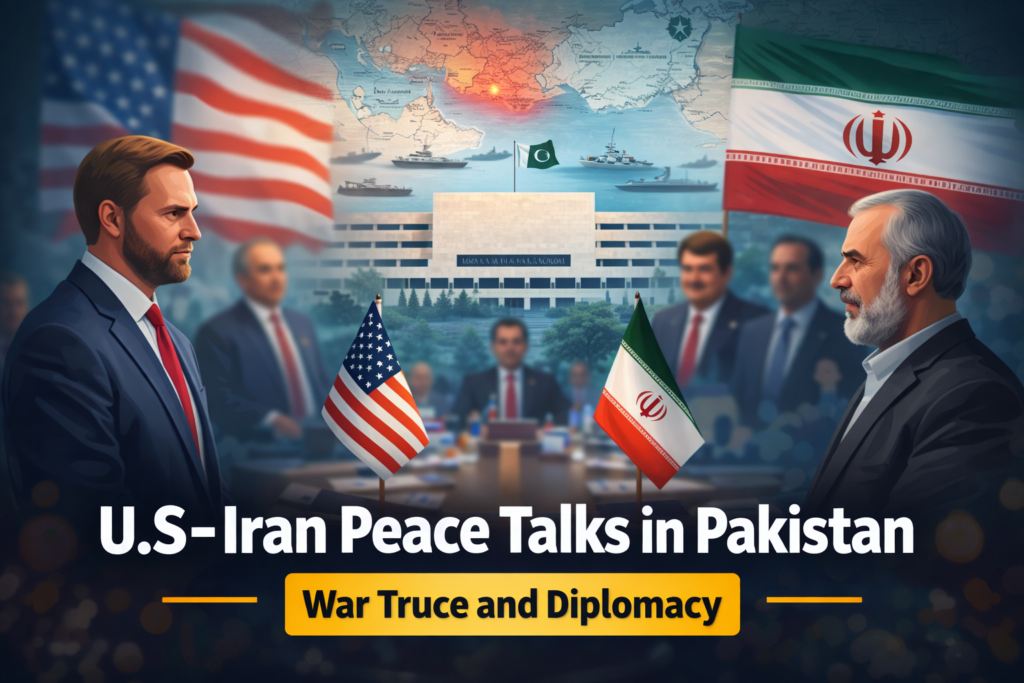
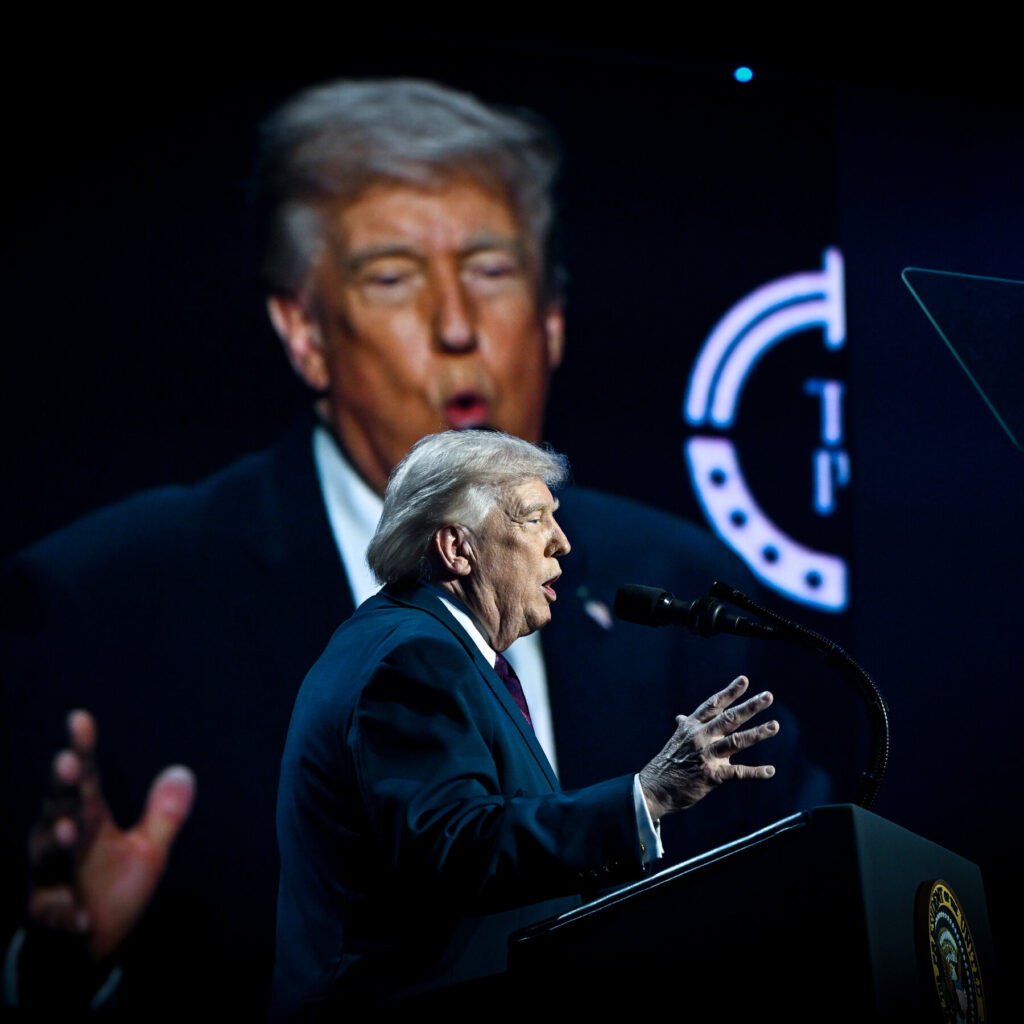
President Donald Trump has been firing off some of the most consequential social media posts of his presidency over the past 48 hours as the Iran-US ceasefire hurtles toward its Wednesday expiration deadline. From announcing the seizure of an Iranian cargo ship to threatening to destroy every power plant and bridge in Iran to declaring the ceasefire extension highly unlikely, Trump’s Truth Social account has functioned as the real-time command center of American foreign policy during one of the most dangerous standoffs in decades. Here is a full breakdown of every major Trump post from today and the past two days, what each one means, and what the cumulative picture tells us about where things are heading.
The Post That Lit Everything on Fire: “No More Mr. Nice Guy”
On Sunday morning, April 19, Trump posted what is now being called the most aggressive social media statement of the entire Iran crisis. The post accused Iran of firing bullets in the Strait of Hormuz the previous day, targeting a French ship and a British freighter, and called it a total violation of the ceasefire agreement. Trump then made an observation that revealed his strategic thinking: Iran had announced it was closing the Strait, but Trump pointed out this was strange because the US naval blockade had already effectively closed it. He wrote that Iran was helping the US without knowing it and was losing $500 million a day while the United States was losing nothing.
The post then escalated dramatically. Trump wrote that if Iran did not take the deal being offered, the United States would knock out every single power plant and every single bridge in Iran. He used the phrase NO MORE MR. NICE GUY in capital letters, and declared it would be his honor to do what needed to be done, adding that it should have been done to Iran by previous presidents over the last 47 years. He closed with the line IT’S TIME FOR THE IRAN KILLING MACHINE TO END and signed it President DONALD J. TRUMP, his full formal signature that he reserves for posts of maximum seriousness. The post went viral within minutes and immediately drove a surge in oil prices as markets interpreted it as a sign that war was about to resume.
The Touska Ship Seizure Post: “It Did Not Go Well for Them”
Shortly after announcing his envoys were heading to Pakistan, Trump posted the news that US forces had seized an Iranian cargo ship in the Gulf of Oman. The post was characteristically blunt and triumphant. Trump wrote that the Iranian-flagged vessel named TOUSKA, nearly 900 feet long and weighing almost as much as an aircraft carrier, had tried to get past the US naval blockade, and it did not go well for them.
He explained that the US Navy Guided Missile Destroyer USS Spruance intercepted the Touska in the Gulf of Oman and gave the crew fair warning to stop. When the Iranian crew refused to listen, Trump wrote, the Navy ship stopped them right in their tracks by blowing a hole in the engine room. He then added that US Marines had custody of the vessel and that Americans were seeing what was on board. The post was accompanied by video released by US Central Command showing Marines rappelling from helicopters onto the deck of the massive cargo ship, confirming every detail Trump had posted.
This post set off an immediate chain of reactions. Iran called it piracy and armed aggression. Iranian state media announced drone strikes against US naval vessels. Oil prices jumped again. And Iran announced it had no plans to attend the scheduled second round of peace talks in Islamabad.
Monday’s Bloomberg Statement: Extension Is Highly Unlikely
On Monday, April 20, Trump shifted from social media to a phone interview with Bloomberg to deliver what may be the most direct warning of the entire crisis. He told Bloomberg it was highly unlikely that he would extend the ceasefire if no deal was reached before it expired Wednesday evening Washington time. He said explicitly that if there was no deal, he would certainly expect fighting to resume.
In the same interview, Trump said the US naval blockade of Iranian ports would remain in place until a final peace deal was signed. He added that he was not going to be rushed into making a bad deal and that the US had all the time in the world. This combination of a hard deadline, no extension, and continued blockade represented the starkest ultimatum Trump has delivered in the Iran crisis since his Easter Sunday profanity-laden post telling Iran to open the Strait or face hell.
The Truth Social Post Defending His Decision to Go to War
Also on Monday, Trump addressed growing criticism from some quarters that he had been manipulated by Israel into starting the war with Iran. In a Truth Social post, he wrote directly: Israel never talked me into the war with Iran. He explained his reasoning as twofold. First, the results of October 7, the Hamas terrorist attack in 2023 that killed around 1,200 Israelis, combined with his lifelong conviction that Iran can never have a nuclear weapon, drove his decision to act. He did not elaborate on the specific timing but the post was clearly aimed at shutting down the narrative building in certain media outlets that Israel had pushed the United States into an unnecessary war.
The post matters because it goes to the heart of the political debate inside the United States about the war. Trump’s critics on both the left and an emerging faction on the nationalist right have questioned whether American interests were truly served by the February 28 strikes. By posting this defense Monday, Trump was speaking directly to his base and to the broader American public, framing the war as a product of his own judgment and conviction rather than Israeli pressure.
The Pattern Behind the Posts: Deliberate Instability as Strategy
What makes Trump’s Truth Social posts in this crisis different from normal presidential communications is the deliberate volatility built into each one. The Wall Street Journal reported Saturday that Trump told a White House adviser he wanted to appear as unstable and insulting as possible in his messages to Iran because it was a language the Iranians would understand. When he wrote his profanity-filled Easter Sunday post threatening to obliterate Iran, he asked advisers afterward how’s it playing, suggesting a level of self-awareness about the performance aspect of each post.
This strategic unpredictability has created a unique situation in which Trump’s Truth Social account functions simultaneously as a diplomatic channel, a military threat mechanism, a domestic political broadcast, and a market-moving instrument. When Trump posts something positive about deal prospects, oil prices fall. When he threatens infrastructure destruction, they rise. Iranian officials monitor his posts in real time. Pakistani mediators study each one for signals about how much flexibility Washington actually has. The posts are not random venting. They are calculated pressure tools in a very high-stakes negotiation.
Where the Posts Leave Things Heading Into Wednesday
Reading Trump’s posts from the past 48 hours as a complete body of communication, several clear signals emerge. He is not going to extend the ceasefire unless Iran makes a concrete move toward a deal. He is willing to go back to war and has told his military to be prepared. He believes the concept of the deal is fundamentally done and is frustrated that Iran keeps walking away from the table. He wants a deal far more than he wants another round of strikes on Iran’s civilian infrastructure, because he understands the political and economic costs of a prolonged conflict. But he is willing to carry out those strikes to force Iran’s hand.
His Monday post defending his decision to go to war in the first place suggests he is also managing the domestic political dimension of the crisis carefully. With gas prices at $4.05 per gallon and rising, with polls showing public support for the mission remains intact but fragile, and with Wednesday’s deadline creating a moment of enormous pressure, Trump is using Truth Social to hold his coalition together and to keep maximum pressure on Tehran simultaneously.
The Full List of Key Trump Posts from This Crisis Period
Since the ceasefire began, Trump has used Truth Social to announce events before official government channels confirmed them, including the ceasefire itself, the ship seizure, and the Islamabad talks schedule. He announced the Touska seizure on Truth Social before CENTCOM’s official statement. He announced the Islamabad talks and named the delegation on Truth Social before any White House press briefing. He declared the ceasefire’s expiration timeline on Truth Social before Bloomberg confirmed it in a formal interview.
The posts that have had the largest market and geopolitical impact include the April 7 ceasefire announcement, the April 17 Thank You post when Iran briefly said the Strait was open, the April 19 No More Mr. Nice Guy threat, the April 19 Touska seizure announcement, and the Monday April 20 Israel never talked me into war post.
What Comes Next and What Trump Has Not Said
What is conspicuously absent from Trump’s posts is any signal that he is preparing to offer Iran something new at the Islamabad table. Every post has been either a threat or a celebratory declaration of American strength. There has been no public olive branch, no flexibility signaled on enrichment timelines, no hint of a compromised position on the blockade. That silence is itself a negotiating position. It tells Iran that the US is not coming to Islamabad this week with new concessions. It tells Iran that the existing terms are the terms, and the choice is to take them or face resumed strikes.
Whether Iran comes to the table by Wednesday, whether some last-minute deal is stitched together in Islamabad, or whether the ceasefire expires and the war resumes will be answered in the next 48 hours. Trump’s Truth Social account will be the first place that news breaks, whichever direction it goes.
The world is watching @realDonaldTrump.