What Is Happening Right Now?
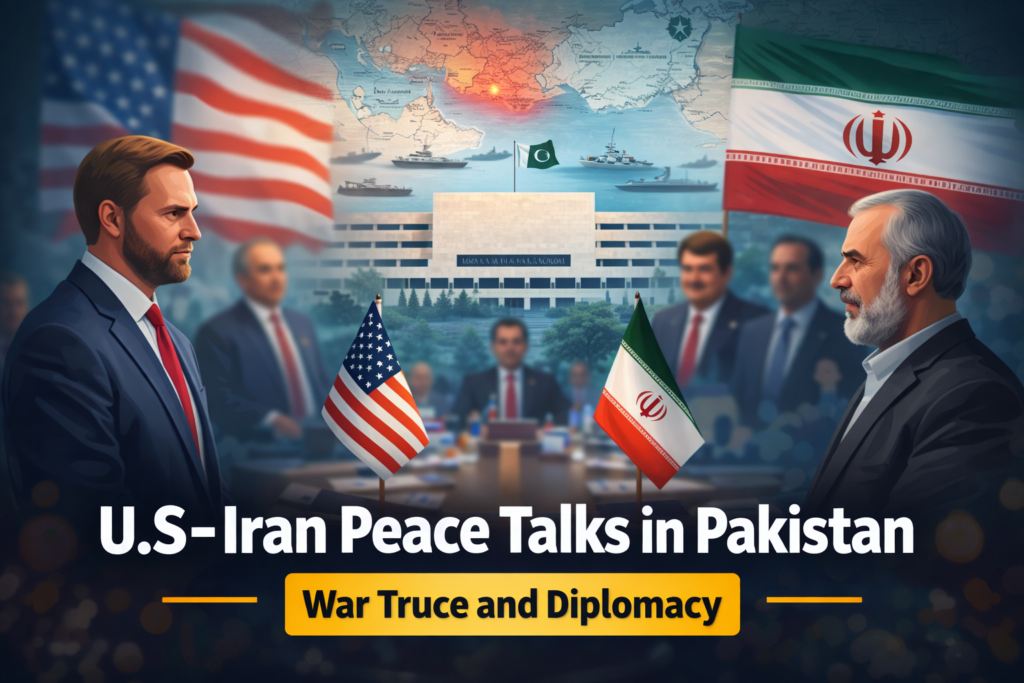
he United States and Iran are locked in one of the most consequential diplomatic standoffs of the 21st century — and the next 48 hours could define the outcome.According to multiple senior officials, Tehran is currently reviewing a one,page, 14,point Memorandum of Understanding (MOU) proposed by the Trump administration that would formally end hostilities between the two nations.
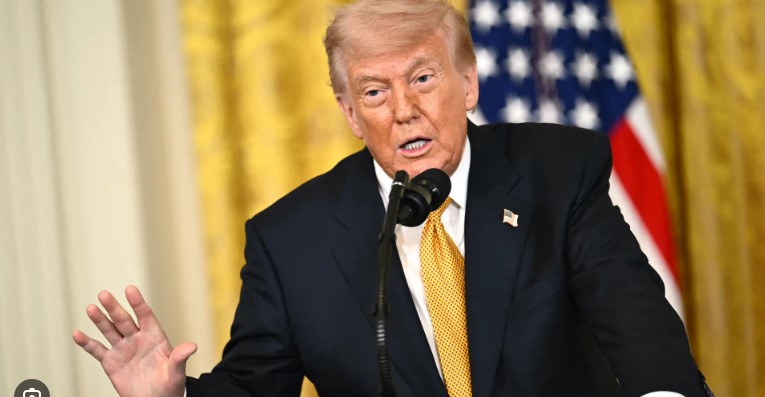
President Donald Trump struck an optimistic tone from the Oval Office this week, telling reporters: “They want to make a deal.We’ve had very good talks over the last 24 hours, and it’s very possible that we’ll make a deal.” Those words jolted global oil markets, rattled the Middle East’s fragile balance of power, and sent American analysts scrambling for answers.
The proposed deal is deliberately slim — a framework, not a final agreement.Washington’s calculation is that a narrow MOU can break the current deadlock and create enough momentum for detailed negotiations over a month.The critical questions — how Iran verifies its enrichment freeze, what happens to its existing stockpile of enriched uranium, and the fate of its missile program — are all left for the 30,day talks.
The Strait of Hormuz: Why Every American Should Care
You may not live near the Persian Gulf, but the Strait of Hormuz controls a significant portion of the world’s daily oil supply.Iran’s threat to regulate — or close — this narrow waterway has pushed fuel prices higher for American families and businesses alike.
Iran declared itself the de facto regulator of Hormuz shipping earlier this week, a direct challenge to US naval presence in the region.If the MOU is signed, both sides agree to immediately reopen the strait to free navigation.For Americans already struggling with high fuel costs, that single clause could mean lower prices at the pump within weeks.
What Experts Are Saying
Defense analysts note the 3.67% enrichment level is a pivotal number — it is the ceiling permitted under international nuclear non,proliferation treaties, and it was the same limit Iran accepted under the original 2015 JCPOA.The real sticking point, experts say, is not whether Iran can enrich, but what happens to the large stockpile of highly enriched uranium it has already accumulated.
Military analysts also point out that the US and Iran were in the middle of restarted nuclear negotiations when Washington and Israel launched their February 28 strikes — a fact that severely damaged whatever trust had been building between the two sides.
What Happens Next — Key Dates to Watch
US Presidential Special Representative Stephen Witkoff has indicated a fourth round of formal talks could happen as early as the weekend of May 10–11, 2026, though Trump’s planned trip to the Middle East could push that timeline.Iran is expected to formally respond to the MOU proposal within 48 hours of receiving it.
If both sides agree to the preliminary framework, that triggers the 30,day comprehensive negotiation clock.A full deal would end both the US and Iranian blockades on the strait, lift US sanctions, and release billions in frozen Iranian funds — a potential turning point for the entire Middle East.
Frequently Asked Questions (FAQ)
What is the US,Iran nuclear deal 2026?
It is a proposed Memorandum of Understanding (MOU) between the Trump administration and the Iranian government to end the two,month US,Israel war on Iran, freeze Iran’s nuclear program at a safe level, and reopen the Strait of Hormuz.It is not yet signed.
Will Iran accept the deal?
As of May 8, 2026, Iran is still reviewing the US proposal.US officials say encouraging signs emerged in recent days, while Iranian officials have been more cautious publicly, with one calling earlier US terms “an Americans’ wish list.”
How will a US,Iran deal affect oil and gas prices?
A signed deal and the reopening of the Strait of Hormuz could ease supply pressures and push gasoline prices lower in the US.Markets are already reacting to optimistic signals from Washington.
What is Iran’s current level of uranium enrichment?
Iran has enriched uranium up to 60% — far above the 3.67% limit in the 2015 JCPOA and approaching weapons,grade levels of 90%.The proposed MOU would cap enrichment back at 3.67%.
Why is the Strait of Hormuz so important?
The Strait of Hormuz is a narrow waterway between Iran and Oman through which a significant share of the world’s oil supply passes daily.Any blockade or military activity there immediately drives up global energy prices.