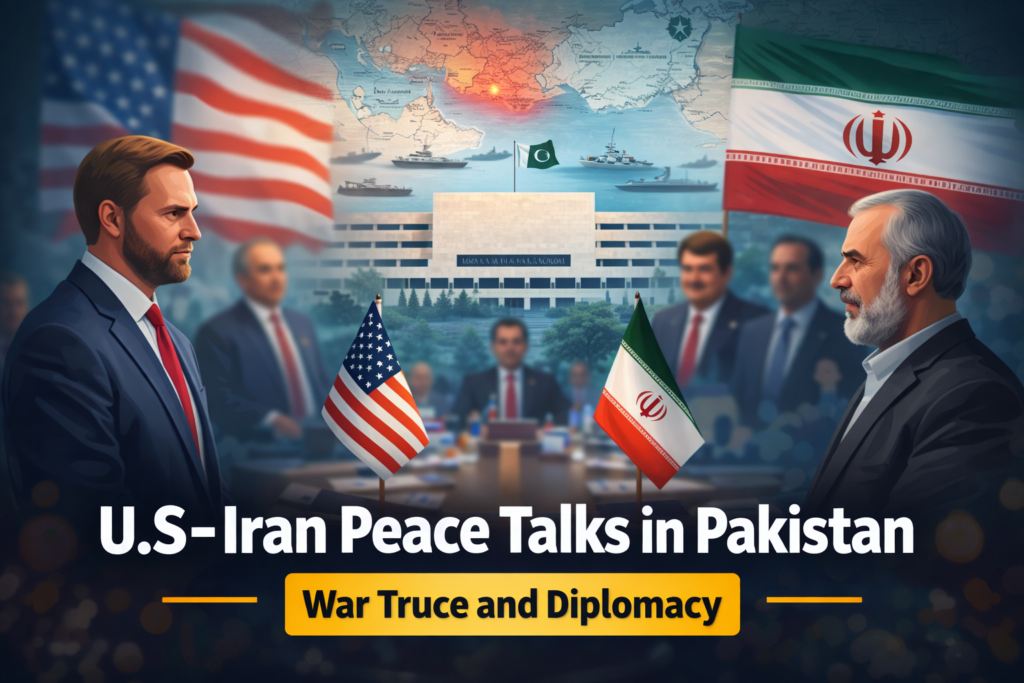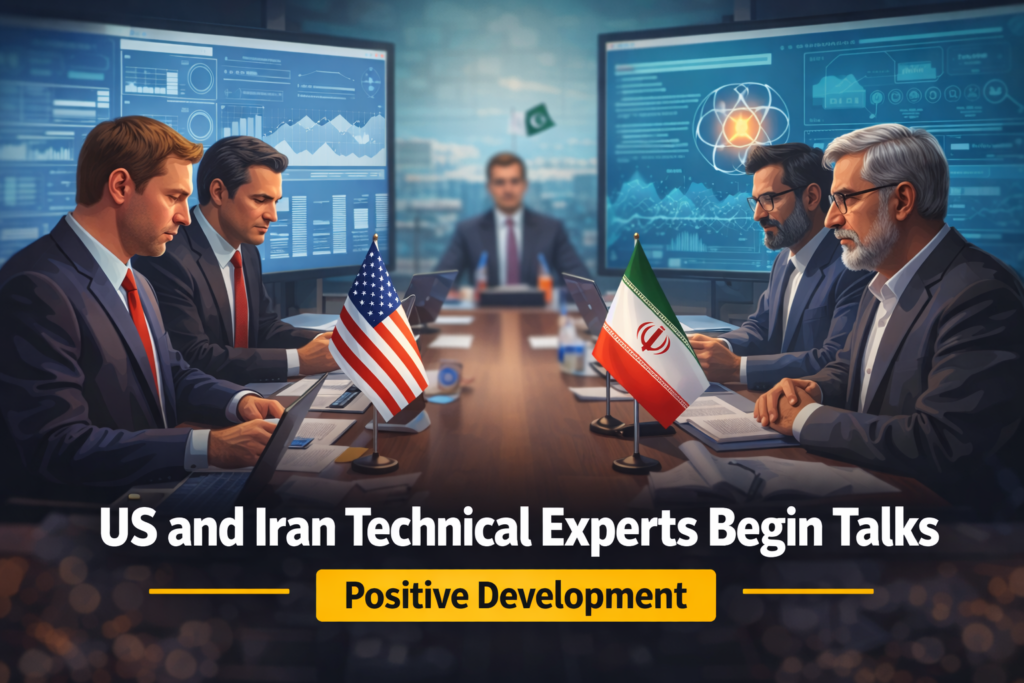
It is Friday, June 12, 2026, and the United States and Iran are closer to a formal agreement to end their war and settle their nuclear standoff than at any point in the last two decades. Pakistan’s Prime Minister Shahbaz Sharif declared this morning that a final agreed text has been reached. Iran’s Foreign Minister Abbas Araghchi echoed the same optimism. President Trump said a deal could be signed in Europe as early as this weekend. Oil prices fell more than three percent on the news. And yet the deal is still not signed, the two sides are publicly disputing each other’s accounts of what the agreement actually says, and the situation remains extraordinarily fluid.
Here is the complete story of the US-Iran deal. What it contains, how we got here, who is involved, what the two sides are fighting over, and what it all means for the world.
Background: How Did We Get to This Point?
The current round of US-Iran diplomacy has its roots in early 2025, when the Trump administration made its first outreach to Tehran through Oman. Those talks collapsed in June 2025 when Israel launched a military campaign against Iranian nuclear and military sites, triggering a wider conflict between the United States and Iran that lasted into 2026.
Tehran accepted tight curbs on its nuclear program in return for the lifting of sanctions under the 2015 agreement with then-President Barack Obama. Trump abandoned that deal during his first term in 2018, claiming it was too soft, and Iran responded by ramping up its enrichment of uranium, producing more than 400 kilograms of material enriched to near the level needed to make a bomb.
After the 2025 collapse, diplomacy restarted in Geneva in February 2026 with Oman again serving as mediator. Those talks made progress but ultimately could not prevent a military confrontation. After weeks of conflict, Pakistan stepped in to broker a ceasefire in April 2026 and hosted direct talks in Islamabad. Those talks ended without a final agreement but established the framework. known as the Islamabad Memorandum of Understanding. That both sides are now trying to finalize.
What Does the Deal Actually Say?
This is where it gets complicated, because the United States and Iran are publicly telling very different stories about the contents of the draft agreement. And their dispute over what has been agreed is itself one of the biggest stories of the day.
The American Account
According to a US official, both sides would sign a memorandum of understanding that would last 60 days and could be extended by mutual consent. During the 60-day period, the Strait of Hormuz would be open with no tolls and Iran would agree to clear the mines it deployed in the strait to let ships pass freely. In exchange, the US would lift its blockade on Iranian ports and issue some sanctions waivers to allow Iran to sell oil freely.
The draft MOU includes commitments from Iran to never pursue nuclear weapons and to negotiate over a suspension of its uranium enrichment program and the removal of its stockpile of highly enriched uranium.
The broad strokes of the memorandum include a 60-day cessation of violence, along with clauses that call for reopening the strait and a framework to reopen negotiations on Iran’s nuclear program.The arrangement also involves the potential of waivers or sanctions relief to Iran that could allow it to access billions in frozen assets depending on the progress of the diplomacy.
The Iranian Account
Iran’s state-affiliated Mehr News Agency published what it claimed were the contents of a 14-point draft deal.Other provisions in the 14-point draft deal document reported by Mehr include the withdrawal of all US forces from Iran and the requirement of the US and its allies to present reconstruction plans for Iran worth at least $300 billion.tuasaude
Iranian media reported that the draft deal includes the release of $24 billion in frozen Iranian assets.
One of the key elements of the draft agreement published by Iranian state media is a stipulation that Iran will receive compensation for damage incurred in US and Israeli attacks during the war.
Trump’s Furious Rejection of the Iranian Account
Trump said what the Iranians published, including their statement on having a deal, bears no relation to the truth. In an angry Truth Social post Friday morning, he slammed the Iranians as very dishonorable people to deal with, adding that with them there is no such thing as dealing in good faith.
Terms of the proposed memorandum. Outlined by Western, Pakistani and Iranian sources. Appeared to strongly favor Iran, drawing criticism from President Trump, who called the reports inaccurate.
The public dispute over the deal’s contents has injected fresh uncertainty into negotiations that had appeared to be closing in on a conclusion.
The Strait of Hormuz: The Single Most Important Issue
At the heart of the entire negotiation is the Strait of Hormuz. the narrow waterway through which roughly 20 percent of the world’s traded oil passes every single day. Iran mined the strait and imposed restrictions on shipping during the 2026 conflict, triggering a global energy crisis and causing oil prices to spike dramatically.
Trump said the agreement would permanently bar Iran from obtaining a nuclear weapon and could lead to the reopening of the Strait.
Trump posted publicly that Iran must agree that they will never have a nuclear weapon or bomb, and that the Hormuz Strait must be immediately open, no tolls, for unrestricted shipping traffic in both directions.
The Strait question is linked directly to the sanctions question. Under the framework being discussed, Iran reopens the Strait and clears its mines in exchange for the US lifting its naval blockade and issuing sanctions waivers on Iranian oil exports.
The Nuclear Question: The Hardest Issue of All
The nuclear file has been the single most contentious point throughout all the rounds of negotiations going back to 2025.The United States has maintained throughout that Iran cannot be allowed to obtain a nuclear weapon. Iran has repeatedly insisted on its right to enrich uranium domestically.
Under the terms as described by sources to Reuters, demands regarding Iran’s nuclear program would be set aside for later during a 60-day period of talks on a final settlement. The only explicit reference to nuclear policy for now would be a restatement of Iran’s decades-old commitment not to seek nuclear weapons.
This is a significant concession by the US side from its original position. The Trump administration had initially demanded zero enrichment as a precondition for any deal. The current framework essentially punts the nuclear enrichment question to a future negotiation during the 60-day MOU period, in exchange for immediate progress on the Strait and the ceasefire.
Who Is Attending the Signing?
President Trump said a possible deal could be signed maybe over the weekend in Europe and that Vice President JD Vance would attend.YouTube
On the American side the key negotiating figures throughout this process have been Steve Witkoff, Trump’s Special Envoy for the Middle East, and Jared Kushner, who played a significant role particularly in the direct sessions with Iranian counterparts in Geneva. Secretary of State Marco Rubio has been the senior policy voice in Washington, while JD Vance has become increasingly prominent in the final stages.
On the Iranian side, Foreign Minister Abbas Araghchi has been the lead negotiator across every round of talks since 2025.Pakistan’s Prime Minister Shehbaz Sharif has served as the key mediator in the most recent and critical phase, with Islamabad hosting the breakthrough talks in April.
Sharif tagged Trump, US Vice President JD Vance, Secretary of State Marco Rubio, US envoy Steve Witkoff, Iranian President Masoud Pezeshkian, and Foreign Minister Abbas Araghchi in his June 12 post announcing the final text had been reached.
What Happens After the Deal Is Signed?
The agreement being discussed is a Memorandum of Understanding.not a final peace treaty or a permanent nuclear agreement.It is a 60-day framework that stops the fighting, reopens the Strait of Hormuz, and creates the conditions for a much more complex set of permanent negotiations to follow.
It is unclear whether the MOU will lead to a lasting peace agreement that also addresses President Trump’s nuclear demands. Both Trump and the mediators indicated the deal could be announced on Sunday, though it has not been finalized and could still fall apart.
The 60-day period would involve intense negotiations on the truly hard issues. The permanent status of Iran’s nuclear enrichment program, the lifting of longstanding sanctions, the question of reconstruction assistance for Iran, and the long-term security architecture for the Persian Gulf region. None of those questions has easy answers, and every one of them has derailed previous diplomatic efforts.
Why Does This Deal Matter for the World?
The US-Iran conflict of 2026 has had consequences far beyond the two countries directly involved. The closure of the Strait of Hormuz sent global oil prices surging, contributing to inflationary pressures in economies around the world. The conflict drew in regional actors including Israel, Hezbollah in Lebanon, and Gulf states, threatening to expand into a broader regional war.
Oil prices fell sharply after US President Donald Trump announced he had canceled planned strikes on Iran and that a great settlement had been reached. Brent crude futures fell $2.72, or 2.9 percent, on June 11, with prices extending losses in early Asian trading on June 12.ScienceABC
A successful deal that reopens the Strait and establishes a durable ceasefire would provide immediate relief to global energy markets and reduce the immediate risk of a wider regional war. The longer-term nuclear question. Whether Iran will ever truly give up the capability to produce a nuclear weapon. remains the defining strategic issue of the entire negotiation.
The Dispute That Could Still Kill the Deal
Even as the deal appears close, the public dispute between Washington and Tehran over what the MOU actually says has introduced fresh uncertainty. Trump accused Iran of bad faith on June 12 after Iranian state media published what it claimed were the deal’s terms. Iran’s Foreign Ministry insisted the text had almost been finalized in its major parts.
Vice President JD Vance told reporters the US is still going back and forth on a couple of language points and that it is hard to say exactly when, or if, the president is going to sign the MOU.
The gap between the two sides’ public accounts of the deal’s terms is not just a communications problem.it reflects genuine underlying disagreements about what has and has not been agreed, particularly on the nuclear enrichment question and the scale of sanctions relief. If those gaps cannot be bridged before the weekend signing window closes, the deal could still collapse.
Q&A: Your Most Important Questions Answered
What is the US-Iran deal actually called?
The agreement being negotiated is formally known as a Memorandum of Understanding, or MOU. It is also sometimes called the Islamabad Memorandum of Understanding, after the Pakistani capital where the most recent direct talks took place in April 2026.
Has the deal been signed yet?
As of June 12, 2026, no. The deal has not been signed. Pakistan’s Prime Minister says a final agreed text has been reached, and President Trump suggested it could be signed as early as this weekend in Europe, but the two sides are still disputing certain language points and no signing ceremony has been announced.
What does Iran get from the deal?
Under the framework being discussed, Iran would receive the lifting of the US naval blockade on its ports, sanctions waivers that would allow it to sell oil on world markets, and access to some portion of billions of dollars in frozen Iranian assets. Iran would also get a ceasefire ending the military conflict.
What does the United States get from the deal?
The US gets the reopening of the Strait of Hormuz to free international shipping, an Iranian commitment to never pursue nuclear weapons, and a framework for negotiations on Iran’s nuclear enrichment program during the 60-day MOU period.
Will Iran give up its nuclear program?
Not immediately and not completely under the current framework. The MOU as described would commit Iran to negotiate over a suspension of uranium enrichment and the removal of its highly enriched uranium stockpile during the 60-day period, but the question of permanent enrichment rights remains unresolved and would be the central issue of the follow-on negotiations.
Who is mediating the US-Iran deal?
Pakistan has been the primary mediator in the most recent and critical phase, with Prime Minister Shehbaz Sharif playing a central personal role. Oman served as mediator in the earlier Geneva rounds. Qatar has also been involved in some aspects of the diplomacy.
What is the Strait of Hormuz and why does it matter?
The Strait of Hormuz is a narrow waterway between Iran and Oman through which roughly 20 percent of the world’s traded oil passes. Iran mined and restricted the Strait during the 2026 conflict, causing a global energy crisis. Reopening it is one of the most urgent economic priorities of any deal.
What happens if the deal falls apart?
If the negotiations collapse again, the ceasefire would be at risk, the Strait of Hormuz would likely remain restricted, global oil prices would surge again, and the threat of resumed military conflict between the United States and Iran would return. Trump has previously threatened to decimate Iran’s energy infrastructure and seize the Kharg Island oil export facility if negotiations fail.
Where will the deal be signed?
Trump indicated the signing could take place in Europe over the weekend. No specific location has been confirmed as of June 12.
Is this deal better or worse than the 2015 JCPOA?
The current framework is more limited in scope than the 2015 Joint Comprehensive Plan of Action. The JCPOA was a detailed permanent agreement with specific limits on centrifuge numbers, enrichment levels, and stockpile sizes. The current MOU is a 60-day framework that defers the hardest nuclear questions to follow-on negotiations.