America’s Most Significant Middle East Agreement in Decades Concluded in Pakistan
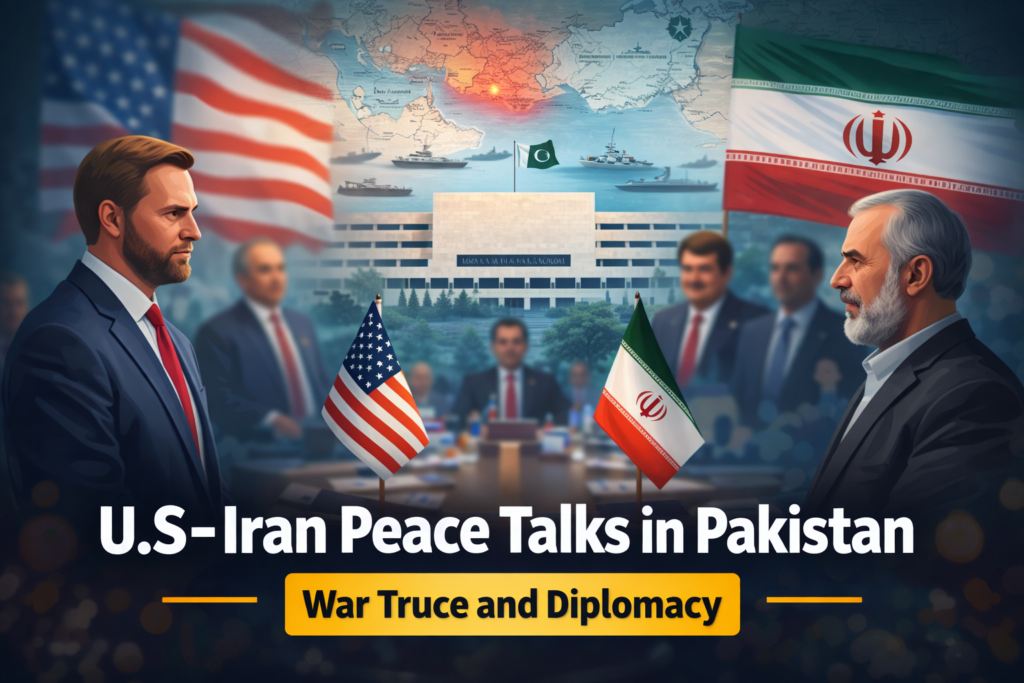
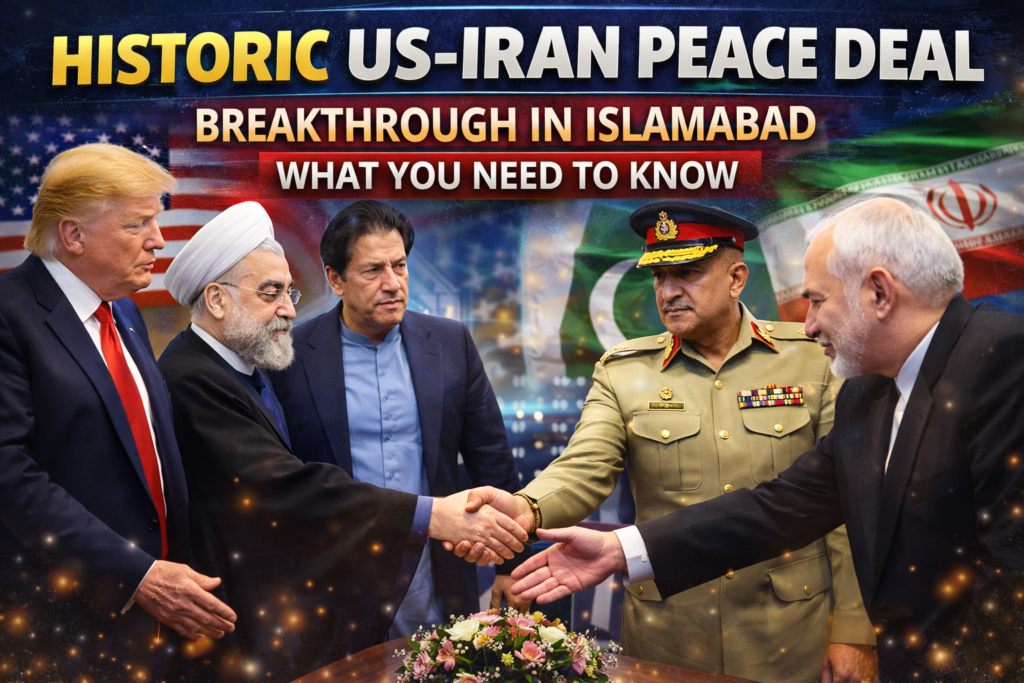
In a stunning diplomatic reversal that few observers predicted, the United States and Iran have announced a comprehensive peace agreement following intensive negotiations in Islamabad, Pakistan. The landmark deal, mediated by Pakistan’s military and civilian leadership, represents the most significant breakthrough in American-Iranian relations since the 1979 Islamic Revolution and promises to reshape the geopolitical landscape of the Middle East.
The agreement, finalized on Monday morning at Islamabad’s historic Serena Hotel, includes unprecedented concessions from Iran regarding its nuclear program, the release of the Strait of Hormuz for international commerce, and a commitment to regional de-escalation that extends beyond the immediate conflict.
Table of Contents
- The Historic Deal Explained
- Iran’s Uranium Stockpile Transfer: The Game Changer
- Pakistan’s Critical Role as Mediator
- What This Means for Global Oil Markets
- Nuclear Proliferation and International Security
- Economic Impact on America
- Israel and Regional Allies’ Response
- The Path to Implementation
- Why This Deal Matters Now
- FAQs: Common Questions About the Agreement
The Historic Deal Explained {#deal-explained}
Understanding the Three-Phase Agreement
The Islamabad Peace Accord, as it’s being officially called, comprises three interconnected phases designed to build confidence between Washington and Tehran while addressing decades of mutual suspicion and hostility.
Phase One: Immediate Actions (Days 1-30)
Nuclear Program Freeze:
- Iran immediately halts all uranium enrichment beyond 5% purity
- All uranium enrichment centrifuges operating above permitted levels are deactivated
- International Atomic Energy Agency (IAEA) inspectors return to full access at all Iranian nuclear sites
- Real-time monitoring systems are reinstalled at enrichment facilities
Strait of Hormuz Opening:
- Iran fully reopens the Strait of Hormuz to international commerce without tolls or restrictions
- All mines planted by Iran are removed under international supervision
- Freedom of navigation is guaranteed for all vessels regardless of origin or destination
- US naval forces maintain a reduced presence to ensure compliance
Prisoner Release and Humanitarian Exchange:
- The US releases previously detained Iranian scientists and officials
- Iran releases American prisoners held in Iranian detention
- Both sides establish humanitarian corridors for aid delivery to affected regions
- Families separated by conflict are permitted to reunite
Phase Two: Structural Changes (Days 31-120)
Uranium Transfer and Consolidation:
- Iran’s complete stockpile of 440 kilograms of highly enriched uranium is transferred to Pakistan
- The transfer occurs under IAEA supervision with transparent verification
- Pakistan agrees to store and eventually process the uranium into fuel for civilian power plants
- This represents the most significant uranium movement in modern history
Nuclear Facilities Transformation:
- Major enrichment facilities at Natanz and Fordow are converted to research-only purposes
- All heavy water reactor operations are scaled back according to international standards
- Iran receives technical assistance to transition enrichment capabilities to purely civilian applications
- International teams establish verification protocols to prevent weapons-grade production
Regional Military De-escalation:
- Both US and Iranian forces withdraw from forward positions
- Military to military communication channels are established to prevent accidental escalation
- Defense minister-level talks occur monthly to discuss mutual security concerns
- Arms limitation agreements for regional proxy groups are negotiated
Phase Three: Normalization and Integration (Days 121-365)
Sanctions Relief:
- US gradually lifts economic sanctions on Iran over a 12-month period, contingent on compliance verification
- UN Security Council resolutions implementing sanctions are repealed
- Iran’s frozen assets abroad are unfrozen and returned, estimated at $6-8 billion
- International banking restrictions are lifted, allowing Iran to rejoin global financial systems
Economic and Trade Normalization:
- US and Iranian companies begin limited trade partnerships
- Oil exports resume at negotiated prices and volumes
- Air travel connections between US and Iran are restored
- Cultural and educational exchange programs are reestablished
Regional Stability Framework:
- Broader Middle East peace initiative addressing Israeli-Palestinian conflict begins
- Lebanon, Syria, and Iraq security issues are addressed through multilateral talks
- Iran agrees to halt support for designated terrorist organizations
- Hezbollah, Houthi, and other proxy groups face funding restrictions
Iran’s Uranium Stockpile Transfer: The Game Changer {#uranium-transfer}
Why This Single Decision Changes Everything
The transfer of Iran’s 440-kilogram uranium stockpile to Pakistan represents the absolute centerpiece of the agreement. This single decision transforms the entire geopolitical calculation and explains why negotiators were finally able to bridge the seemingly unbridgeable gap.
Understanding the Uranium Challenge
What Iran Had:
- Approximately 440 kilograms of highly enriched uranium (HEU)
- Some enriched to 60% purity
- Weapons-grade uranium requires 90%+ purity
- For context: A nuclear weapon requires 15-20 kilograms of weapons-grade material
Why It Mattered:
- The uranium could theoretically be further enriched to weapons-grade relatively quickly
- Its existence violated Iran’s commitments under the Nuclear Non-Proliferation Treaty
- International experts viewed it as the most dangerous aspect of Iran’s program
- Removal eliminated the immediate “breakout” capability for weaponization
The Pakistan Solution
Pakistan’s Strategic Role
Pakistan’s emergence as the recipient of Iran’s uranium stockpile was both surprising and brilliantly logical:
Why Pakistan Was Chosen:
- Geographic Advantage
- Located between Iran and the wider world
- Neutral ground removed from US-Europe politics
- Accessible by air and land routes from Iran
- Far from conflict zones and political instability
- Nuclear Expertise
- Pakistan already operates advanced nuclear fuel processing facilities
- Technical capacity to safely handle highly enriched uranium
- Experience managing sensitive nuclear materials
- Established relationships with IAEA and international nuclear bodies
- Diplomatic Neutrality
- Pakistan maintains relationships with both US and Iran
- Not a primary participant in the original Iran conflict
- Military leadership respected by both sides
- Historical role as regional mediator
- Military Capability
- Pakistan’s armed forces could provide secure storage and transport
- Advanced security systems to prevent unauthorized access
- Air defense capabilities to protect against potential strikes
- Ability to enforce international monitoring requirements
The Transfer Logistics
Timeline and Process:
- Days 1-5: IAEA teams establish baseline inventory and purity measurements of all uranium stocks
- Days 5-15: Specialized containers and security systems prepared at Pakistani facility
- Days 15-30: First shipments begin moving from Natanz and Fordow facilities to secure transportation
- Days 30-60: Continued transfers of remaining uranium under military escort
- Days 60-90: Final quantities transferred and inventory fully verified
- Days 90-365: Long-term storage and processing begins
Security Arrangements:
- Pakistani military provides ground transportation with armored convoys
- Air transport uses Pakistani Air Force cargo planes with fighter escort
- IAEA inspectors accompany every shipment for verification
- GPS tracking and real-time monitoring of all uranium movements
- International observers from neutral countries monitor the transfers
- Insurance and liability protocols established for any emergencies
What Happens to the Uranium in Pakistan
Immediate Storage (Months 1-6):
- Uranium stored in specially designed vaults with multiple security layers
- Temperature and humidity controlled to prevent degradation
- Guarded by Pakistani military personnel 24/7
- IAEA inspectors conduct surprise inspections monthly
- Biometric security systems prevent unauthorized access
Medium-Term Processing (Months 6-12):
- Conversion of highly enriched uranium back to lower enrichment levels
- Process reduces purity from 60% to approximately 3-5% (safe for civilian power)
- Conversion facilities operated by international technical teams
- IAEA continuously monitors chemical composition and purity levels
- Pakistan receives payment for storage and processing services
Long-Term Use (Year 2 onwards):
- Converted uranium becomes fuel for Pakistani civilian nuclear power plants
- Pakistan’s existing reactors can utilize this fuel for electricity generation
- Excess fuel stored indefinitely under IAEA monitoring
- Cannot be re-enriched to weapons-grade under verification protocols
- Creates permanent economic benefit for Pakistan
International Verification System
The Monitoring Framework:
The agreement includes unprecedented transparency measures specifically designed to ensure Iran cannot reclaim or secretly reproduce enriched uranium:
- IAEA Continuous Monitoring:
- Permanent inspectors stationed at Pakistani facility
- Real-time camera monitoring of storage areas
- Electronic seals on uranium containers
- Daily inventory checks and reporting
- Third-Party Verification:
- Observers from neutral countries (Switzerland, Sweden, Canada) present monthly
- Independent labs conduct periodic purity testing
- Surprise inspections at any time without prior notice
- Annual reports published for international review
- Technology Integration:
- Satellite monitoring of Pakistani facility
- Blockchain-based tracking of all uranium movements
- Cybersecurity protection against hacking of monitoring systems
- Redundant systems ensure no single point of failure
- Enforcement Mechanisms:
- If Iran attempts to retrieve uranium: Automatic reimposition of all sanctions
- If Pakistan violates storage protocols: International isolation and military intervention provisions
- If uranium quantity decreases unexpectedly: Immediate investigation and potential military response
- If monitoring systems are compromised: Escalation to UN Security Council
Pakistan’s Critical Role as Mediator {#pakistan-role}
From Bystander to Central Player
Pakistan’s transformation from a marginal player to the central mediator in this historic accord represents one of the most significant diplomatic achievements in South Asian history. The nation’s unique position, military capabilities, and established relationships with both the United States and Iran made it the only viable neutral ground for breakthrough negotiations.
Why Pakistan Was Perfect for This Role
Historical Relationships:
Pakistan has maintained complex, multifaceted relationships with both powers:
- With United States: Decades of military alliance, recent tensions over Afghanistan and China relations, but fundamental strategic partnership
- With Iran: Shared Islamic identity, border region connections, mutual concerns about Indian regional influence, cultural and religious ties
Geographic Advantages:
- Located 2,500 kilometers from conflict zones in Gulf
- Removed from immediate US-Israeli military operations
- Positioned on historical Silk Road trade routes
- Climate and terrain suitable for secure facility development
Military Capability and Credibility:
Pakistan’s armed forces provided:
- Secure transportation infrastructure for sensitive materials
- Intelligence capabilities to prevent security breaches
- Air defense systems protecting facilities and transfers
- Professional military reputation respected internationally
Pakistan’s Army Chief Asim Munir: The Key Mediator
Background and Credibility:
General Asim Munir, Pakistan’s powerful Army Chief, became the face of Pakistan’s mediation efforts:
- Served previously as Chief of Pakistan’s Inter-Services Intelligence (ISI) — giving him relationships across region
- Known for pragmatic decision-making and ability to build trust
- Has established personal rapport with President Trump
- Maintains relationships with Iran’s military leadership from prior interactions
- Respected by both US military and Iranian Revolutionary Guard commanders
His Specific Contributions:
- Trust Building
- Personally met with Trump multiple times to convey Iranian willingness to negotiate
- Traveled to Tehran to deliver American proposals and explain US red lines
- Shuttle diplomacy between capitals in final negotiations
- Built personal relationships that transcended official friction
- Creative Problem-Solving
- Proposed Pakistan as uranium storage solution (original idea came from Pakistani intelligence)
- Negotiated security arrangements that satisfied both sides
- Designed verification protocols that could be implemented practically
- Suggested face-saving language for both sides’ official narratives
- Implementation Oversight
- Assigned Pakistani military personnel to oversee uranium transfers
- Established coordination centers in Islamabad for daily communication
- Created joint commissions with US and Iranian representatives
- Provided security guarantees preventing either side from military action
Pakistan’s Economic Benefits
The agreement provides substantial economic rewards for Pakistan’s mediation:
Direct Payments:
- US provides $2 billion in military and economic aid
- Iran contributes $500 million for uranium storage and processing
- International community pledges $3 billion in reconstruction assistance
Long-Term Economic Advantages:
- Pakistan gains civilian nuclear fuel supply from uranium processing
- Reduces dependence on fuel imports, lowering energy costs
- Creates skilled technical jobs in uranium conversion facilities
- Positions Pakistan as trusted nuclear materials handler globally
Geopolitical Benefits:
- Elevates Pakistan’s international standing and diplomatic influence
- Demonstrates Pakistan’s value to both US and regional powers
- Counters Indian regional dominance by becoming indispensable mediator
- Creates precedent for Pakistan’s role in other regional disputes
The Serena Hotel Talks: Where History Happened
The Venue:
The negotiations took place at Islamabad’s Serena Hotel, Pakistan’s most prestigious diplomatic venue:
- Built specifically to host international delegations
- Located in Islamabad’s diplomatic enclave
- Advanced security features protecting all participants
- Neutral ground acceptable to both US and Iranian delegations
- Pakistani military secured the entire perimeter
The Negotiations:
- First round (April 12): 21 hours of intense discussion, negotiations broke down initially
- Second round (April 19): Resumed talks with fresh proposals and modified positions
- Final round (April 22): Breakthrough achieved after Pakistan’s mediation efforts
The Players:
US Delegation:
- Vice President JD Vance (lead negotiator)
- Secretary of State Marco Rubio
- National Security Advisor
- CIA Director
- Military commanders
Iranian Delegation:
- Parliament Speaker Mohammad Bagher Ghalibaf (lead negotiator)
- Foreign Minister Abbas Araghchi
- Revolutionary Guard representatives
- Nuclear program officials
- Military advisors
Pakistani Delegation:
- Army Chief Asim Munir
- Prime Minister Shehbaz Sharif
- Foreign Minister Ishaq Dar
- Intelligence chief
- Nuclear energy commission representatives
What This Means for Global Oil Markets {#oil-markets}
The Immediate Impact on Energy Prices
Relief for American Consumers:
One of the most tangible benefits of this agreement for ordinary Americans is the potential impact on energy prices.
Current Situation (Pre-Deal):
- Iran had closed the Strait of Hormuz, blocking approximately 20% of world’s traded oil
- Global oil prices spiked to $140-160 per barrel
- Gasoline prices at US pumps reached $4.50-5.00 per gallon
- Heating oil and natural gas prices surged alongside crude oil
- Inflation concerns emerged from energy cost increases
Post-Deal Scenario:
- Strait of Hormuz reopens immediately to all commerce
- Iran gradually increases oil exports as sanctions are lifted
- Global supply increases, putting downward pressure on prices
- Oil prices expected to fall to $70-90 per barrel range
- Gasoline prices predicted to drop to $2.50-3.50 per gallon
Timeline of Price Adjustments:
- Week 1: Oil futures begin pricing in supply increases, prices drop 10-15%
- Weeks 2-4: As Strait reopens, physical supply increases, further 5-10% decline
- Months 2-3: As Iranian exports ramp up, additional 5-8% decrease
- Months 4-12: Stabilization at new lower price equilibrium
Iran’s Return to Global Oil Markets
Iran’s Oil Production Capacity:
- Pre-sanctions (2015): Iran produced 3.7 million barrels per day
- During sanctions: Dropped to 2.2 million barrels per day (down 40%)
- Post-deal projection: Expected to reach 3.5 million barrels per day within 12 months
Phase-by-Phase Oil Export Increase:
- Months 1-2: 500,000 additional barrels daily (from sanctions-busting reserves and recovery)
- Months 3-6: 1 million additional barrels daily (as production ramping begins)
- Months 7-12: 1.5 million additional barrels daily (full production recovery)
Global Market Share:
- This increase represents approximately 1.5-2% of global oil supply
- Significant enough to impact global prices but not create oversupply
- Iran targets market share in Asia (China, India, Japan)
- Competitive pricing to regain customer loyalty after sanctions period
Impact on Different Types of Consumers
Gasoline and Transportation:
- Average American driver saves $500-700 annually on gasoline
- Trucking and logistics industries see margin improvement
- Airlines benefit from lower fuel costs, potentially reducing ticket prices
- Public transportation agencies reduce fuel budgets, improving service
Home Heating and Utilities:
- Winter heating oil becomes more affordable
- Natural gas prices decline as oil prices influence broader energy market
- Electricity costs decrease in regions dependent on fossil fuels
- Renewable energy becomes more price-competitive, accelerating transition
Food and Goods Prices:
- Transportation costs for food and goods decrease
- Inflation pressures ease across economy
- Consumer spending power increases with lower energy costs
- Shipping and delivery services reduce prices
Stock Market Implications
Energy Sector:
- Oil company stocks initially decline as prices fall
- Natural gas producers may see margin compression
- But exploration and production companies benefit from stable, predictable prices
- Green energy stocks may gain relative value as oil becomes less dominant
Transportation and Logistics:
- Airlines benefit from lower fuel costs, stock prices likely rise
- Trucking companies improve margins, share prices may increase
- Shipping companies gain from Strait of Hormuz stability
- Delivery services (Amazon, FedEx) improve profitability
General Stock Market:
- Lower inflation expectations support broader equity valuations
- Consumer discretionary stocks benefit from increased purchasing power
- Technology stocks attract investment as inflation concerns ease
- Federal Reserve may signal interest rate cuts if inflation moderates
Nuclear Proliferation and International Security {#nuclear-security}
Preventing a New Nuclear State
Why This Deal Matters for Global Security:
The successful removal of Iran’s enriched uranium stockpile represents a historic achievement in nuclear non-proliferation efforts. For the first time since the nuclear age began, an aspiring nuclear state voluntarily surrendered significant quantities of weapons-ready nuclear material.
Implications for the Nuclear Proliferation Treaty (NPT):
The Non-Proliferation Treaty, signed in 1968, was built on three pillars:
- Disarmament: Nuclear weapons states commit to eventually eliminating weapons
- Non-proliferation: Non-nuclear states agree not to develop nuclear weapons
- Peaceful uses: All states have right to peaceful nuclear energy
Iran’s Case:
- Iran is a signatory to the NPT, legally bound by its restrictions
- However, Iran had been in violation by pursuing uranium enrichment beyond civilian needs
- This agreement brings Iran back into compliance with NPT obligations
- Signals other potential nuclear aspirants that weapons development isn’t viable
Impact on Regional Security Architecture
Israel’s Security Concerns:
Israel had viewed an Iranian nuclear weapons capability as an existential threat:
Israeli Perspective on the Deal:
- Removal of uranium eliminates immediate nuclear weapon threat
- Iran still retains enrichment knowledge but without fissile material
- Verified inspections provide early warning if Iran attempts breakout
- However, some Israeli right-wing figures oppose the agreement as insufficient
US Commitment to Israel:
- Trump administration provides written security guarantee to Israel
- Commitment to military action if Iran violates nuclear terms
- Enhanced military aid package of $5 billion to Israel announced
- Joint US-Israel monitoring committee established for Iranian compliance verification
Other Regional Powers’ Reactions
Saudi Arabia:
- Initially skeptical but accepts US assurances
- Appreciates reduced Iranian regional dominance
- Benefits from oil price increases (Saudi Arabia benefits from higher prices)
- Agrees to participate in broader Middle East stability framework
United Arab Emirates:
- Welcomes normalization and reduced regional tensions
- Benefits economically from Strait of Hormuz reopening and trade expansion
- Potential for increased Iranian-UAE trade relationships
- Dubai’s port sector expands as Iran reintegrates into global commerce
Turkey:
- Neutral position, welcomes regional stability
- Sees opportunity for expanded trade with Iran
- Concerned about implementation details but supportive of peace
- Offers to serve as alternative energy transit route if needed
Global Non-Proliferation Movement
Precedent for Future Negotiations:
This agreement sets important precedents:
- Voluntary Relinquishment: Shows that incentives can convince states to give up nuclear aspirations
- Verification Works: Demonstrates that international monitoring can reliably verify compliance
- Economic Incentives: Proves sanctions relief and economic benefits motivate compliance
- Negotiation Over War: Establishes diplomatic solution is preferable to military conflict
Other Potential Nuclear Cases:
- North Korea: Could theoretically follow similar path, though circumstances differ significantly
- Pakistan: Provides model for stable nuclear weapons state with international oversight
- Russia: Demonstrates need for arms control even among current nuclear powers
Terrorism and Nuclear Security
Preventing Nuclear Materials from Reaching Non-State Actors:
One major concern throughout negotiations was preventing enriched uranium from reaching terrorist organizations:
Security Measures:
- Pakistan’s military secure transport ensures materials don’t disappear
- IAEA continuous monitoring prevents unauthorized movements
- International observers prevent any diversion
- Transfer routes avoid unstable regions where theft could occur
This Agreement Addresses:
- Removes uranium from warzone environment of Middle East
- Places materials in country with strong state control and military oversight
- Implements verification systems that detect any diversion
- Makes it politically and militarily costly to breach agreement
Economic Impact on America {#economic-impact}
Cost-Benefit Analysis for American Taxpayers
What America Gains:
The benefits of this agreement to the American economy and taxpayers are substantial:
Immediate Economic Benefits (First Year):
- Lower Energy Costs
- Average household saves $800-1,200 on gasoline and heating
- Total national savings: approximately $100-150 billion annually
- Reduced inflation pressures benefits entire economy
- Avoided Military Costs
- Prevents long-term military campaign in Middle East
- Saves estimated $500 billion-$1 trillion in direct military spending
- Avoids ongoing costs of maintaining military presence in region
- Stock Market Gains
- Reduced geopolitical uncertainty benefits equity markets
- Consumer confidence increases with lower energy prices
- Corporate profit margins improve, benefiting 401(k) retirement accounts
- Estimated stock market gain: 5-8% on S&P 500
- Job Creation
- Lower energy costs increase consumer spending
- Reduced military deployment frees troops for home-based jobs
- Trade normalization creates new business opportunities with Iran
- Logistics and shipping industries expand with Strait of Hormuz normalization
Long-Term Economic Benefits (Years 2-5):
- Trade Opportunities
- American companies access Iranian market of 88 million people
- Estimated trade potential: $5-10 billion annually
- Technology, automotive, agriculture sectors particularly advantaged
- Oil industry benefits from Iranian market relationship
- Reduced Defense Spending
- Can redirect military budget to domestic priorities
- Approximately $50-100 billion annually can be allocated elsewhere
- Options include infrastructure, education, healthcare investment
- Stabilized Middle East
- Reduced risk of wider Middle East conflict
- Improved business environment for American companies in region
- Increased FDI (foreign direct investment) in Middle East region
- Expansion of American trade partnerships across region
What America Gives Up in the Deal
US Concessions:
For transparency, the agreement does require significant American concessions:
- Sanctions Lifted
- $6-8 billion in frozen Iranian assets unfrozen
- Companies can engage in trade, reducing US business advantage
- Some American industries face increased Iranian competition
- Military Presence Reduced
- Naval forces withdrawn from forward positions
- Military bases in region scaled back
- Defense contractors lose future military spending
- Verification Costs
- US must fund significant portion of IAEA monitoring operations
- Intelligence agencies dedicate resources to compliance verification
- Estimated annual cost: $200-300 million
Inflation and Interest Rates
The Broader Economic Picture:
Current Economic Conditions:
- Inflation has been driven partly by energy costs and geopolitical uncertainty
- Federal Reserve has maintained elevated interest rates to combat inflation
- Housing costs have soared due to high mortgage rates
Impact of This Agreement:
- Energy prices fall: Removes major inflation driver
- Uncertainty decreases: Reduces inflation expectations
- Federal Reserve response: Could justify interest rate cuts
- Mortgage rates: Potential decline of 1-2% if Fed cuts rates
- Housing affordability: Improves dramatically for home buyers
Timeline of Economic Normalization:
- Months 1-3: Energy prices fall, inflation expectations decline
- Months 4-6: Fed signals potential interest rate cuts
- Months 7-12: Rates decline if inflation moderates as expected
- Year 2: Economy potentially enters more normal growth trajectory
Sector-by-Sector Impact
Energy Sector:
- Major oil companies: Stock prices likely decline but dividends improve
- Renewable energy: Becomes more competitive economically
- Natural gas utilities: Benefit from price stability
Transportation:
- Airlines: Massive fuel cost savings, profits increase
- Trucking: Margins improve with cheaper fuel
- Automotive: Gasoline prices impact vehicle sales patterns
Consumer Goods:
- Retailers: Lower transportation costs improve margins
- Food companies: Reduced shipping costs boost profitability
- E-commerce: Lower delivery costs improve margins
Technology and Innovation:
- Companies less focused on hedging energy costs
- Investment capital frees up for innovation
- Tech stocks potentially benefit from lower inflation outlook
Israel and Regional Allies’ Response {#israel-response}
A Complex Regional Dynamic
The agreement’s reception in the region is complicated, with strong reactions ranging from cautious support to significant concerns about safety and sustainability.
Israel’s Official Position
Public Statements:
Prime Minister Benjamin Netanyahu has issued carefully worded statements about the agreement:
Key Israeli Concerns:
- Iran’s Regional Ambitions
- Uranium removal addresses only nuclear threat, not missile threat
- Iran’s support for Hezbollah, Hamas, and other groups continues
- Regional influence concerns beyond nuclear weapons
- Verification Adequacy
- Questions whether IAEA monitoring is sufficient
- Concerns about surprise inspection access to military sites
- Skepticism about Pakistan’s ability to prevent uranium diversion
- Future Breakout Scenarios
- Even without uranium, Iran could theoretically enrich new stocks
- Technical knowledge can’t be eliminated from scientific community
- Long-term commitment of future Iranian governments uncertain
Security Guarantee from US:
To address Israeli concerns, the Trump administration provided:
- Written commitment: US will take military action if Iran violates nuclear agreement
- Enhanced military aid: $5 billion package of advanced weapons systems
- Joint command: Establishment of integrated Israel-US monitoring center
- Missile defense: Additional US missile defense systems deployed in region
Israeli Right-Wing Opposition:
Conservative Israeli figures remain critical:
- Argue uranium transfer insufficient for permanent peace
- Claim Iran will pursue weapons through undeclared programs
- Question Pakistan’s trustworthiness as custodian of uranium
- Advocate for continued pressure on Iran
Saudi Arabia and the Gulf States
Saudi Response:
Saudi Arabia has cautiously accepted the agreement:
Saudi Perspective:
- Welcomes reduced Iranian regional influence
- Appreciates certainty over uncertain future conflict
- Concerned about Iran’s ballistic missile program
- Benefits from stable oil markets (Saudi exports benefit from higher prices)
UAE Response:
The United Arab Emirates has more positively received the deal:
- Sees opportunity for normalized trade with Iran
- Recognizes benefits of regional stability
- Appreciates reopened Strait of Hormuz for commerce
- Business interests outweigh security concerns for UAE
European Allies’ Response
United Kingdom and France:
European powers have welcomed the agreement:
- View it as validation of diplomatic approach
- Disappointed JCPOA failed but pleased it’s been replaced
- Support phased sanctions relief as confidence-building
- Commit to verifying compliance through IAEA participation
Germany:
Germany emphasizes the precedent:
- Views agreement as model for future nuclear diplomacy
- Supports multilateral verification mechanisms
- Commits resources to monitoring and implementation
- Hopes deal helps stabilize broader Middle East
China and Russia
China’s Position:
China has cautiously endorsed the agreement:
- Sees benefit in stable Middle East region
- Appreciates expanded trade opportunities with Iran
- Commits to participating in uranium processing arrangements
- Views agreement as validation of Chinese-Pakistan partnership
Russia’s Perspective:
Russia has supported the agreement:
- Benefits from European focus shifting to Middle East peace
- Appreciated Pakistan’s mediation over Western alternatives
- Sees opportunity for expanded energy trade with Iran
- Views agreement as precedent for Russian involvement in future negotiations
The Path to Implementation {#implementation}
A Complex, Multi-Year Process
The agreement’s success depends on successful implementation of numerous interconnected provisions. This section outlines the detailed timeline and mechanisms for putting the agreement into practice.
Month 1: Immediate Actions (Days 1-30)
Week 1 (Days 1-7):
The first week focuses on trust-building through immediate, visible actions:
By Both Sides:
- Joint statement affirming commitment to agreement terms
- Establishment of implementation oversight committee with US, Iran, Pakistan, and IAEA
- Designation of official representatives for daily coordination
- Public announcements of specific compliance actions
Iran’s Actions:
- Halt all uranium enrichment above 5% purity
- Deactivate centrifuge cascades operating above permitted levels
- Invite IAEA to conduct baseline inventory of all uranium stocks
- Release first batch of detained American prisoners
- Begin mine-clearing operations in Strait of Hormuz
US Actions:
- Announce timeline for sanctions relief over 12-month period
- Release frozen Iranian assets (first tranche: $2 billion)
- Reduce naval forces in Gulf region (symbolic move to show commitment)
- Announce that no new military operations against Iran will commence
Week 2-4 (Days 8-30):
- IAEA teams conduct detailed inventory of Iranian uranium at all facilities
- Pakistan prepares storage facilities for uranium receipt
- US and Iran establish direct military communication channels
- First prisoner exchanges occur on both sides
- Strait of Hormuz begins clearing operations
Months 2-3: Building Confidence (Days 31-90)
Uranium Transfer Phase Begins:
- Detailed plans finalized for uranium movements
- Security protocols established for transfers
- Pakistani military begins escorting operations
- IAEA monitoring systems installed at Pakistani facility
- Weekly inventory updates and verification reports
Nuclear Facility Modifications:
- Iran deactivates excess centrifuges
- Scientists retrained for civilian research applications
- Enrichment facility monitoring systems enhanced
- IAEA inspectors establish permanent presence at key sites
Regional De-escalation:
- Proxy group funding begins to decrease according to schedule
- Military exercises cease in region
- Joint commission meetings address implementation challenges
- Weekly videoconferences between US, Iran, Pakistan officials
Months 4-6: Phased Sanctions Relief (Days 91-180)
Economic Integration Begins:
As Iran demonstrates compliance:
- 50% sanctions relief announced
- International banking restrictions partially lifted
- Frozen assets continue to be unfrozen
- Limited trade relationships permitted to resume
- Iranian businesses begin registering with US regulatory authorities
Uranium Transfer Accelerates:
- Majority of uranium stockpile transferred to Pakistan
- Technical assessments verify uranium purity and authenticity
- Processing facilities in Pakistan operational
- Uranium conversion to lower enrichment begins
Months 7-12: Full Integration (Days 181-365)
Complete Sanctions Relief:
Upon verification of continued compliance:
- All US sanctions against Iran formally lifted
- UN Security Council resolutions repealing sanctions adopted
- All frozen Iranian assets returned
- Full diplomatic relations restored
- Exchange of ambassadors at embassy level
Long-Term Verification Framework:
- Permanent IAEA presence established at all Iranian nuclear sites
- Quarterly international observer visits continue indefinitely
- Pakistan continues uranium storage and processing role
- Compliance verification report submitted to UN Security Council annually
Why This Deal Matters Now {#why-matters}
Understanding the Geopolitical Context
The War That Preceded It:
This agreement concludes a devastating six-week military conflict that reshaped global geopolitics:
The 2026 Iran War:
- Began February 28, 2026, with US-Israeli airstrikes
- Killed the Iranian Supreme Leader and numerous senior officials
- Destroyed significant military and government infrastructure
- Displaced millions of civilians and disrupted global commerce
- Cost estimated at $200+ billion in direct destruction
- Killed estimated 3,000+ people in Iran, hundreds in region
Why War Made Peace Possible:
Paradoxically, the devastating conflict created conditions for breakthrough:
- Both Sides Exhausted: Neither wanted to continue destructive warfare
- Cost Realization: Civilian and military leadership understood ongoing costs unacceptable
- Third-Party Pressure: International community strongly pushed for settlement
- Pakistan’s Position: Only viable mediator after conflict, positioned to help both sides
- Trump Administration: Wanted exit from conflict without appearing to retreat
America’s Changed Position
Trump’s Strategic Thinking:
President Trump’s calculation evolved through the conflict:
- Initially pursued “maximum pressure” military strategy
- Realized complete victory impossible without massive ongoing commitment
- Understood costs to American economy, particularly energy prices
- Recognized political liability of prolonged Middle East war with American public
- Saw opportunity to claim negotiating victory as better than continued fighting
Why Now, Not Earlier:
This agreement could theoretically have been reached years ago. Why now?
- New Administration: Trump’s return provided fresh start from JCPOA collapse
- War Clarified Stakes: Military conflict showed costs exceeding benefits for both sides
- Pakistan’s Mediation: Only after 2025 rise of Army Chief Munir did credible mediation become possible
- Technology Options: Uranium processing in Pakistan made previously impossible solutions viable
- Global Pressure: International community consensus enabled breakthrough
Impact on Global Order
Precedent for Conflict Resolution:
This agreement demonstrates several important principles:
- Negotiation Defeats War: Even after military escalation, diplomacy provided better solution
- Third-Party Mediation Works: Neutral mediator (Pakistan) broke deadlock that direct talks couldn’t resolve
- Economic Incentives Matter: Sanctions relief and benefits motivated Iranian compliance
- Verification is Possible: International monitoring can reliably verify complex agreements
- Long-Term Stability: Phased implementation builds confidence better than quick settlements
Implications for Future Conflicts
What This Means for Other Disputes:
The success of this agreement has implications beyond Iran:
North Korea:
- Shows similar nuclear disputes can be resolved through negotiation
- Demonstrates removal of fissile material is achievable
- Provides template for verification and compliance mechanisms
China-Taiwan:
- May influence thinking about peaceful resolution of cross-strait issues
- Demonstrates that military escalation doesn’t preclude negotiations
- Shows international mediation can facilitate talks
Russia-Ukraine:
- Though different context, shows value of third-party mediators
- Demonstrates phased approach can build confidence
- Proves economic incentives can motivate peace agreements
FAQs: Common Questions About the Agreement {#faqs}
Nuclear Weapon Development Questions
Q: Can Iran Still Build Nuclear Weapons Without the Enriched Uranium?
A: Technically yes, but much more difficult. Iran still possesses the technical knowledge and scientific expertise to enrich uranium. However, the agreement includes:
- Restrictions on centrifuges and enrichment capacity
- Continuous IAEA monitoring to detect new enrichment
- Committed international response if Iran violates terms
- Advanced warning system providing 3-6 months notice of breakout attempt
The removal of existing uranium eliminates the immediate threat while maintaining capability to respond if violations occur.
Q: How Long Will It Take Iran to Build a Nuclear Weapon If It Violates the Agreement?
A: This depends on several factors:
- If Iran immediately begins enriching uranium: 12-18 months to accumulate weapons-grade material
- With IAEA monitoring: Detection would occur within weeks of starting program
- With international response: Military strikes or economic intervention would likely occur before weaponization
- Realistic assessment: Agreement provides time for diplomatic or military response
Q: Why Should We Trust Iran to Comply?
A: This agreement includes several mechanisms to build trust:
- Verification not verification: The agreement uses international monitoring, not trust
- Consequences for violation: If Iran breaks agreement, sanctions automatically reimposed and military response available
- Phased relief: Sanctions are lifted gradually only as Iran demonstrates compliance
- Reversibility: If Iran violates terms, entire agreement can be suspended
Economic and Energy Questions
Q: Will Gas Prices Stay Low Long-Term?
A: That depends on several factors beyond the Iran agreement:
- OPEC decisions: Saudi Arabia and other producers control their supply levels
- Global demand: Economic growth increases oil demand
- Other shocks: Conflicts, weather, or other disruptions could impact prices
- Long-term trend: Energy transition to renewables will gradually reduce oil importance
Realistically, prices will likely remain lower than during conflict but could fluctuate between $75-100 per barrel.
Q: What If Oil Prices Fall Too Low and Hurt Domestic Producers?
A: Lower oil prices do create challenges for US domestic producers:
- Tight oil companies: Companies dependent on high prices may reduce production
- Job losses: Energy sector employment could decline
- Investment: Some companies may redirect capital from exploration to return shareholder value
However, the agreement includes provisions addressing this:
- Gradual sanctions relief allows market adjustment period
- Price floors negotiated to prevent extreme volatility
- Support for domestic energy sector during transition
Q: How Much Will My Electricity Bill Decrease?
A: Impact varies by region:
- Natural gas regions: 10-20% decrease as natural gas prices fall with oil
- Coal regions: Minimal impact as coal prices largely independent of oil
- Renewable regions: Slight increase as renewables become more competitive
- Overall US average: Approximately 5-10% household energy cost savings
Implementation and Verification Questions
Q: Who Ensures Pakistan Doesn’t Give Uranium Back to Iran?
A: Multiple overlapping safeguards:
- IAEA Monitoring: Permanent inspectors prevent unauthorized movements
- International Observers: Neutral countries (Switzerland, Sweden, Canada) conduct surprise visits
- Military Consequences: Both US and Russia committed to military response if uranium diverted
- Pakistan’s Self-Interest: Pakistan benefits from role and relationships destroyed if violated
Q: What If Pakistan’s Government Changes or Becomes Unstable?
A: Contingencies exist:
- Military Leadership: Pakistan’s Army, not civilian government, controls uranium facility
- International Presence: IAEA and international observers provide independent oversight
- Safeguards Transferred: If necessary, uranium could be transferred to Russia or European facility
- Military Intervention: US and allies prepared to intervene militarily if Pakistan loses control
Q: How Many IAEA Inspectors Will Be in Iran?
A: Significantly more than under the previous JCPOA:
- Permanent presence: 50-100 inspectors stationed at key facilities
- Surprise inspections: Additional teams can conduct unannounced visits
- Access rights: Can inspect military and undeclared sites with proper procedures
- Technology: Electronic monitoring and remote sensing supplement human inspectors
Regional and International Questions
Q: Will This Lead to Normalized Relations Between US and Iran?
A: Normalization is a multi-year process:
- Diplomatic: Ambassadors exchanged within 12 months
- Economic: Limited trade within first year, expanded by year 2-3
- Cultural: Educational and athletic exchanges resume
- Military: Cooperation limited but communication channels open
- Complete normalization: Unlikely within decade given historical animosity
Q: What About Iran’s Support for Hezbollah and Hamas?
A: The agreement addresses this indirectly:
- Funding limits: Iran’s foreign military support limited by sanctions relief timing
- Regional de-escalation: Broader framework addresses proxy group activities
- Israel’s security: US commitment includes military response if threats to Israel increase
- Long-term goal: Integration of Iran into international system reduces incentive for proxy support
However, complete cessation of support for these groups not required by this agreement—separate negotiations would address this.
Q: How Long Will This Agreement Last?
A: The agreement has built-in timeframes:
- Active phase: First 10 years with intensive monitoring
- Extended phase: Years 11-25 with reduced but ongoing monitoring
- Permanent provisions: Nuclear materials transfer to Pakistan irreversible
- Regular review: 5-year reviews with opportunity to modify terms if needed
Q: What If a Future US President Withdraws from This Agreement?
A: This agreement includes protections against withdrawal:
- Congressional approval: Required for withdrawal, making it harder than previous JCPOA withdrawal
- International consequences: Withdrawal would damage US credibility in future negotiations
- Automatic reset: If US withdraws, Iran not obligated to comply and sanctions reimposed
- Institutional locks: Uranium transfer to Pakistan creates permanent commitment
Questions About Pakistan and Uranium Storage
Q: Why Should Pakistan Agree to This Role?
A: Pakistan receives significant benefits:
- Financial: $500 million from Iran plus international payments for uranium processing
- Political: Elevates Pakistan’s international standing and diplomatic influence
- Military: $2 billion in US military aid over 5 years
- Economic: Civilian nuclear fuel supply from processed uranium
- Strategic: Demonstrates Pakistan as indispensable to regional peace
Q: Is Storing Uranium in Pakistan Safe?
A: Pakistan has demonstrated nuclear security capability:
- Existing arsenal: Pakistan already maintains 150-200 nuclear warheads securely
- Facility security: Modern vault with multiple layers of security
- Military control: Armed forces, not civilians, control facility
- IAEA oversight: International monitors ensure compliance
- Technical capacity: Pakistan has advanced uranium handling expertise
Q: What If Uranium Is Stolen or Lost?
A: Multiple redundancies prevent this:
- 24/7 military guard: Pakistani forces protect facility continuously
- Biometric security: Only authorized personnel can access storage areas
- Real-time monitoring: Cameras and electronic sensors detect any movement
- Inventory tracking: Daily counts verify no unauthorized removal
- Accountability: If uranium disappears, automatic consequence triggers (sanctions on Pakistan, military response options)
Implementation Timeline Questions
Q: Why Such a Long Implementation Timeline?
A: Phased approach serves several purposes:
- Builds Confidence: Incremental steps allow both sides to verify other’s commitment
- Allows Verification: Gives IAEA time to establish monitoring systems
- Economic Adjustment: Allows markets to adjust to changing supply/demand
- Political Management: Domestic political opposition in both countries can be managed gradually
- Technical Requirements: Actually transferring, storing, and processing uranium takes time
Q: What If Either Side Violates During Implementation?
A: Multiple enforcement mechanisms exist:
- Automatic consequences: Violations trigger predetermined responses
- Graduated response: Minor violations addressed through diplomacy, major violations through sanctions/military
- Ceasefire suspension: If either side violates ceasefire, all previous understandings void
- UN involvement: Violations reported to Security Council for additional action
Conclusion: A New Chapter in Middle East History
The Significance of This Moment
The announcement of the Islamabad Peace Accord represents one of the most significant diplomatic achievements of the 21st century. What appeared impossible weeks ago—a peaceful resolution to the 2026 US-Iran conflict—has become reality through intensive negotiations, patient mediation, and willingness by both sides to prioritize peace over continued conflict.
What Americans Should Understand
For ordinary American citizens, this agreement means several concrete benefits:
Immediate Impact (Next 3-6 Months):
- Lower gasoline prices at the pump
- Reduced inflation from energy costs
- Increased stability in stock markets
- End to risk of wider Middle East conflict
Medium-Term Impact (6-18 Months):
- Continued energy price benefits
- Increased job creation and economic growth
- Potential interest rate reductions improving housing affordability
- Business opportunities with Iran reopening to American companies
Long-Term Impact (18+ Months):
- Stable global energy markets
- Reduced military spending, freeing budget for domestic needs
- Normalized relations transforming Middle East region
- Precedent-setting agreement improving future conflict resolution
The Role of Pakistan in Global Diplomacy
Pakistan’s emergence as the central mediator in this historic accord demonstrates an important principle: global problems often require global solutions from unexpected sources. Pakistan’s unique position, military capability, diplomatic relationships, and willingness to take on the role proved invaluable.
This agreement elevates Pakistan’s international standing and demonstrates its value not just as a military ally but as a diplomatic force capable of resolving major global disputes.
Questions and Challenges Ahead
While this agreement is historic and beneficial, challenges remain:
- Verification: Ensuring long-term compliance will require sustained international commitment
- Regional stability: While nuclear threat reduced, regional proxy conflicts may continue
- Political opposition: Domestic opposition in both countries could complicate implementation
- Accident prevention: With reduced immediate conflict, maintaining communication channels becomes critical
Moving Forward
The success of this agreement depends on several factors:
- Sustained political commitment from US, Iranian, Pakistani leadership
- International support through IAEA, UN, and other organizations
- Business participation in reintegrating Iran into global economy
- Public support in both countries for peace over continued conflict
- Willingness to adapt if unforeseen challenges emerge
A Hopeful Message
This agreement demonstrates an important truth: even after military escalation and significant loss of life, diplomatic solutions remain possible. The costs of war—economic, human, and strategic—ultimately exceed the benefits, motivating even bitter adversaries to seek peace.
For Americans watching this unfold, the message is clear: lower energy costs are coming, global instability is decreasing, and the possibility of a more peaceful Middle East is no longer a distant dream but an emerging reality.
Final Thoughts: The Road Ahead
The Islamabad Peace Accord will be studied by diplomats, historians, and policymakers for decades as a model of how international conflicts can be resolved through patient negotiation, creative problem-solving, and willingness by all parties to compromise.
Pakistan’s role as mediator, Iran’s recognition that peaceful settlement serves its interests, America’s pragmatic pursuit of sustainable peace, and the international community’s support for implementation have created a moment of genuine hope.
As implementation begins and the detailed work of building peace commences, remember: major historical changes often seem impossible until they happen. This agreement proves that even deep divisions can be bridged through determination and wisdom.
The next chapter of Middle East history is being written not through military conflict but through diplomatic breakthrough. America’s role in this new era will shape global stability for decades to come.